
Key Takeaways
Chicken meatballs are a gentle, adaptable canvas for herbs, greens, grains, and bright sauces. With a light hand during mixing and careful cooking, they can be tender enough for a weeknight supper while still carrying plenty of character.
- Use ground chicken with enough fat for a moist, flavorful bite.
- Treat breadcrumbs and eggs as texture tools, not just fillers.
- Bake, sear, or simmer according to the texture and flavor you want.
- Pair the meatballs with greens, grains, yogurt, broth, or pasta.
- Cool, store, and reheat them gently to preserve tenderness.
What makes Chicken Meatballs (NYT) distinctive
Chicken Meatballs (NYT) is less a single rigid formula than a useful way to think about a versatile dish. Chicken has a mild flavor, so the supporting ingredients matter: herbs, aromatics, greens, lemon, yogurt, and a well-seasoned cooking liquid can all shape the final plate. The best versions feel both comforting and fresh.
The appeal also comes from flexibility. The same mixture can become a browned skillet supper, a tray of baked meatballs, or the centerpiece of a brothy soup. That range makes the dish a natural fit for curious home cooks and for the practical, flavor-minded spirit of Chefworx, a hub for recipes, cooking tips, and culinary discovery.
The flavor profile and recipe approach
A chicken meatball recipe usually begins with a clean, savory base and then builds contrast around it. Garlic, onion, scallions, parsley, dill, oregano, cumin, coriander, chile, and lemon can all take the dish in different directions without overwhelming the meat. The aim is a rounded flavor, not a crowded one.
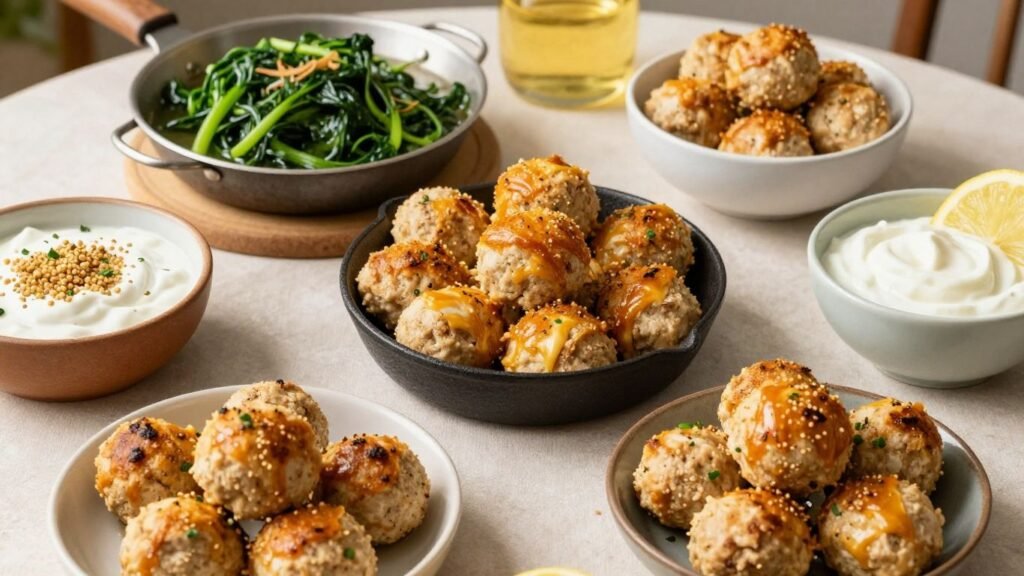
A greens-forward preparation is especially appealing because wilted kale, chard, spinach, or mustard greens bring bitterness and freshness to the soft meatballs. The one-pot chicken meatballs with greens approach captures that balance, letting the greens absorb some of the seasoned cooking juices while keeping the meal relatively simple.
How the meatball texture is developed
Texture begins before the pan is hot. Breadcrumbs absorb moisture, eggs help the mixture hold together, and a little milk, yogurt, grated vegetable, or broth can soften the crumb. The mixture should feel cohesive but not pasty; excessive stirring develops a dense, springy bite.
Cold hands and a light touch help preserve the loose texture. If the mixture seems too wet to shape, a short rest in the refrigerator is usually more helpful than adding a large amount of breadcrumbs, which can make the finished meatballs heavy.
Why chicken works well with herbs, greens, and sauces
Chicken does not bring the pronounced richness of fattier meats, which leaves room for other ingredients to speak. Fresh herbs seem vivid against it, while greens add a pleasantly earthy edge. A lemony broth or cool yogurt sauce can then supply the acidity that keeps each bite lively.
This is also why chicken meatballs travel comfortably across cuisines. A Mediterranean version might use mint and cumin, an Italian one might lean on parsley and Parmesan, and a Thai-inspired bowl might use cilantro, chile, lime, and coconut milk. The structure stays familiar while the flavor story changes.
Choosing between baked and stovetop preparation
Baking is tidy and relatively hands-off, especially when making a large batch. Searing in a skillet creates browned edges and fond, giving a sauce or broth more depth. Simmering is gentler and can finish the meatballs while infusing them with the surrounding liquid.
Think about the meal around them. For a tray dinner, baking is convenient; for a sauce or soup, searing followed by simmering often makes more sense. The baked chicken meatballs style is a useful reference point when convenience and even cooking are the priority.
Ingredients for tender chicken meatballs
Good chicken meatballs depend on proportion more than on an unusually long ingredient list. Start with ground chicken, add enough seasoning to make its mild flavor appealing, and include a binder that supports rather than masks the meat. The cooking liquid or finishing sauce should complete that balance with moisture and acidity.
The ingredients below are easy to adjust according to what is in the kitchen. Fresh herbs make the flavor brighter, dried spices offer warmth, and a grated vegetable can quietly improve tenderness. Keep the overall mixture moist but shapeable.
Ground chicken selection and fat content
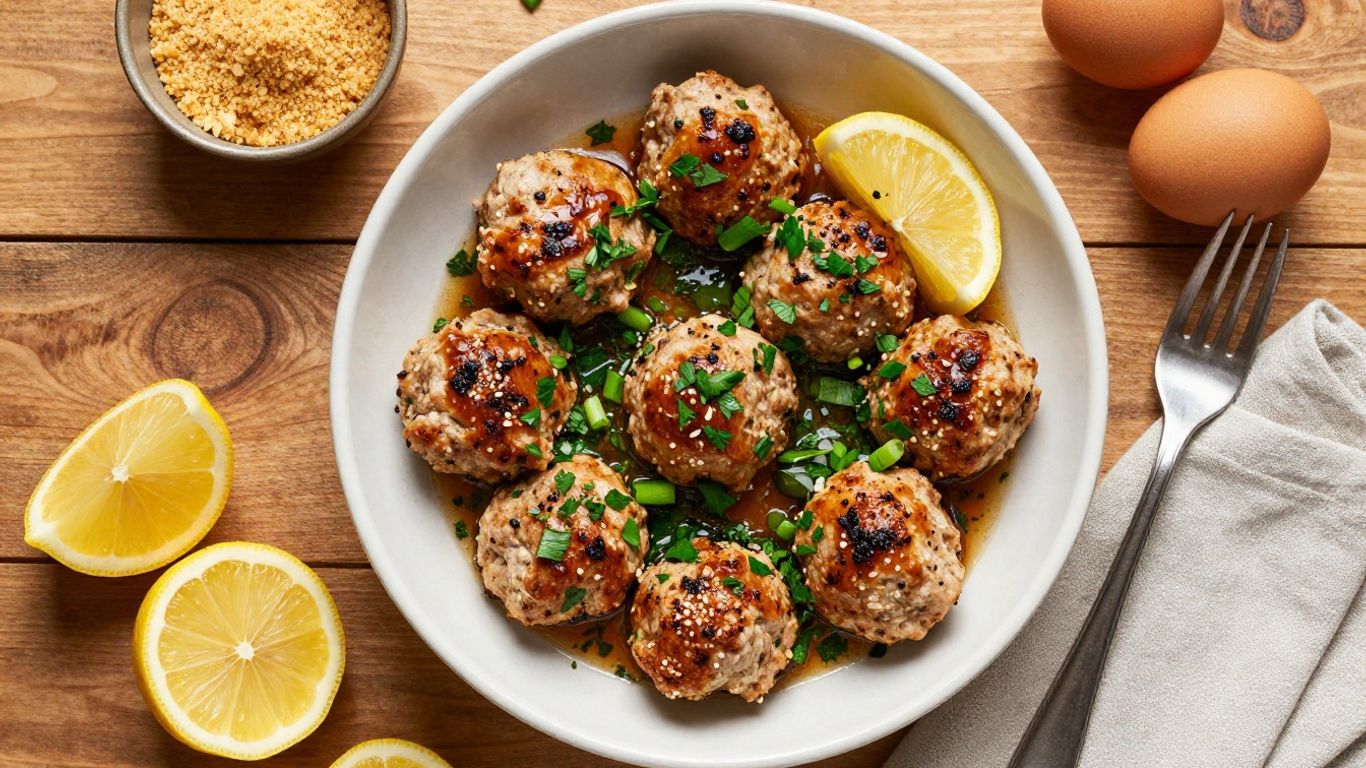
Ground chicken made from a mixture of light and dark meat generally stays juicier than very lean breast meat. If only lean chicken is available, compensate with a moist binder, a drizzle of oil, or a gentle cooking method. Avoid compressing the meat while measuring or shaping it.
The mixture should have enough richness to remain succulent after reaching a safe temperature. That does not mean it needs to be greasy; it simply needs some protection against the drying effect of heat.
Aromatics, herbs, and seasonings
Finely minced onion, scallion, shallot, or garlic distributes flavor more evenly than large pieces. Parsley, cilantro, mint, dill, basil, and oregano each create a different mood, while cumin, coriander, paprika, chile, black pepper, and lemon zest add warmth or lift.
Salt is particularly important because chicken has a mild baseline flavor. Season the mixture evenly, and remember that a salty broth, cheese, or sauce may contribute more later. A restrained combination is often more delicious than a handful of unrelated spices.
Breadcrumbs, eggs, and other binders
Breadcrumbs give the meatballs structure while absorbing juices, and an egg helps the mixture hold together during shaping and cooking. Panko creates a lighter texture, while fine breadcrumbs make a closer, more compact crumb. Milk, yogurt, or broth can hydrate the crumbs before they meet the chicken.
Use only enough binder to make the mixture manageable. Too much egg can make the center firm, and too many breadcrumbs can dull the flavor. A brief test patty cooked in a skillet is a practical way to adjust salt and texture before shaping everything.
Ingredients for a balanced sauce or broth
A good finishing liquid should provide moisture without washing out the seasoning. Chicken broth, tomato sauce, coconut milk, or a pan sauce can all work, provided the flavor is adjusted with herbs, citrus, vinegar, or chile when needed.
| Cooking liquid | Flavor direction | Useful finishing note |
|---|---|---|
| Chicken broth | Light and savory | Add lemon, greens, or herbs |
| Tomato sauce | Rich and tangy | Finish with basil or Parmesan |
| Coconut milk | Round and aromatic | Add lime, chile, or cilantro |
| Yogurt sauce | Cool and creamy | Season with garlic, mint, or cumin |
The liquid should support the meatballs rather than bury them. Taste it before the meatballs go in, then taste again at the end, when their juices and seasonings have joined the pot.
How to make Chicken Meatballs (NYT)
Making chicken meatballs is mostly an exercise in restraint. Mix until the ingredients are distributed, shape with a consistent hand, and cook in a way that suits the final dish. A little organization before starting makes the process calm rather than fussy.
Have the tray, skillet, bowl of water, and cooking liquid ready before touching the meat. This keeps the mixture from sitting at room temperature longer than necessary and lets you move directly from shaping to cooking.
Mixing the ingredients without overworking the meat
Begin by combining the breadcrumbs, egg, seasonings, aromatics, and any liquid binder in a bowl. Let the crumbs hydrate briefly, then fold in the ground chicken with your fingers or a fork. Stop as soon as the mixture looks uniform.
A gentle mix preserves tenderness because it limits compression and keeps the proteins from forming a tight, rubbery network. If the mixture feels unusually sticky, chill it for 15 to 20 minutes before shaping rather than kneading in extra crumbs.

Shaping evenly sized meatballs
Uniform pieces cook at the same pace, so portion the mixture with a small scoop or a tablespoon measure. Roll each portion lightly between damp palms, using just enough pressure to smooth the surface. Compact, tightly packed balls tend to be firmer.
Aim for a size that matches the cooking method. Smaller meatballs work well in soup and cook quickly, while medium ones are easier to brown and serve as a main course. Arrange them with a little space between each piece so heat can circulate.
Browning or baking the meatballs
For browning, heat a thin film of oil in a wide skillet and work in batches. Turn the meatballs as the underside colors, but do not chase a perfectly dark crust if they will finish in sauce. For baking, use a lightly oiled sheet pan and leave room around each piece.
The first stage is about developing surface flavor and setting the shape. The center can finish gently in a sauce, broth, or covered pan, which is often kinder to chicken than prolonged high heat.
Finishing the meatballs in sauce, broth, or greens
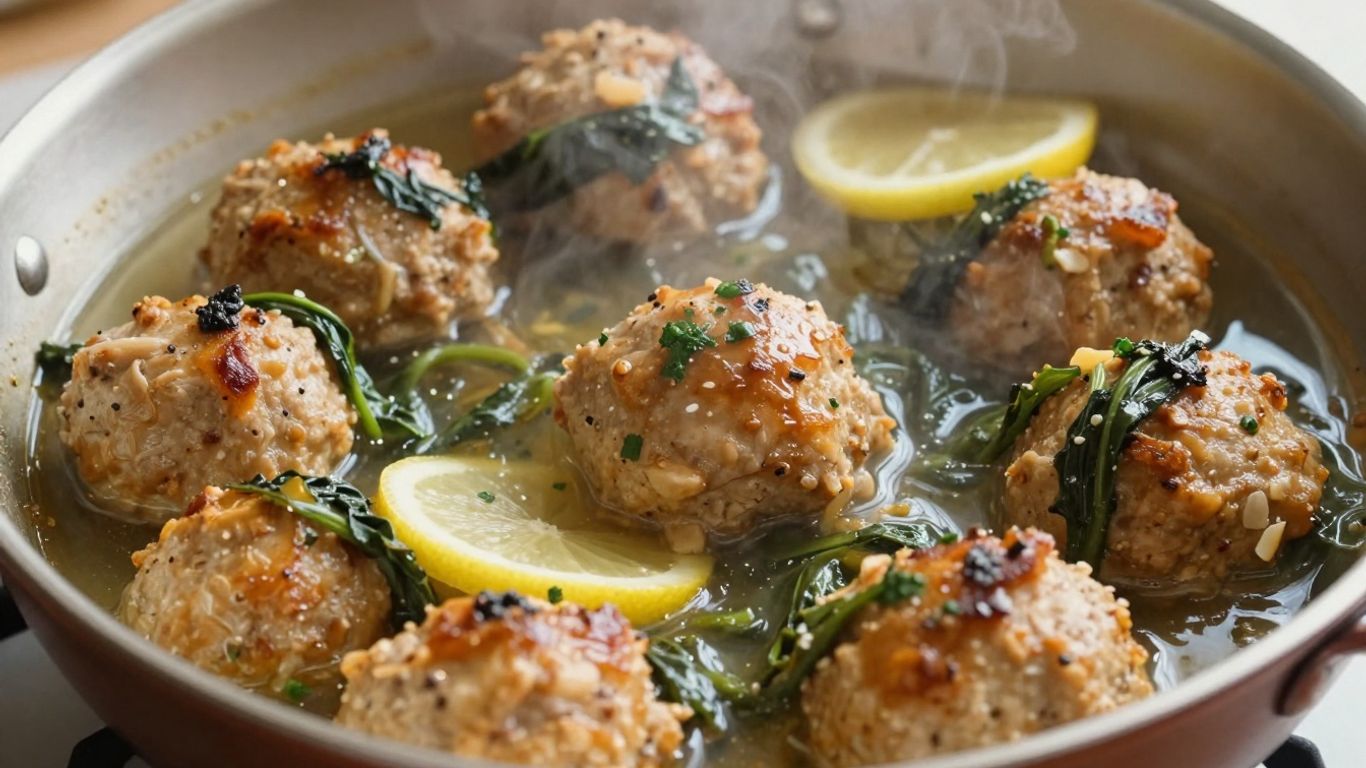
Once browned or partially baked, transfer the meatballs to the prepared liquid. Keep the simmer gentle so the exterior does not break apart and the center cooks evenly. Greens can be added near the end, when they need only enough time to wilt and become glossy.
Taste the liquid after the meatballs have finished. A squeeze of lemon, a spoonful of yogurt, a scattering of herbs, or a pinch of chile can sharpen the whole dish. This final adjustment is where a simple supper becomes a memorable flavorful escapade.
Cooking methods and texture adjustments
There is no single correct route to a good chicken meatball. The method changes the surface, the amount of active cooking, and the way the meat absorbs surrounding flavors. Choose based on the meal you want, not on habit alone.
Chicken benefits from steady heat and enough moisture, but it does not require a complicated technique. Whether the meatballs are baked, seared, or simmered, the goal is a tender center with no rawness and a seasoning profile that remains clear.
Baking for a hands-off preparation
Baking is useful when you want to prepare several meatballs at once with minimal pan work. A lightly oiled, rimmed sheet pan helps prevent sticking, and turning the meatballs partway through can encourage more even coloring. A short rest after baking lets the juices settle.
Baked meatballs can be served immediately or moved into sauce for a softer finish. Because the oven can dry lean chicken if the pieces are small or overcooked, keep an eye on timing and use a thermometer rather than relying only on surface color.
Searing for deeper flavor
Searing produces browned patches that add savory complexity to the meatballs and the pan. Use medium to medium-high heat, avoid crowding, and let each piece release naturally before turning. If the oil begins to smoke, lower the heat and continue more gently.
After browning, the flavorful bits left in the skillet can be loosened with broth, wine, tomato, or water. The meatballs then finish in that liquid, picking up the character of the pan without needing a long cooking time at high heat.
Simmering meatballs in soup or sauce
A gentle simmer is particularly good for meatballs served with greens, noodles, beans, or grains. Add them to liquid that is hot but not violently boiling, then cook until the centers are done. Stir the pot carefully, especially during the first few minutes when the surface is still delicate.
For a soup with Southeast Asian flavors, coconut milk, lime, cilantro, and chile make a lively combination. The Thai-inspired chicken meatball soup idea shows how the same basic meatball can move into a bright, aromatic bowl.
Adjusting moisture for firm or tender results
Texture can be corrected at several stages. A dry mixture needs hydration before cooking, while a loose mixture may need chilling or a small amount of crumbs. The cooking method matters too: baking gives a set exterior, while simmering supplies more surrounding moisture.
Use these adjustments as a practical sequence rather than changing everything at once:
- Add a spoonful of milk, broth, or yogurt when the mixture feels dry.
- Chill a loose mixture before adding more breadcrumbs.
- Reduce cooking time or lower the heat if the meatballs feel firm.
- Finish lean meatballs in sauce or broth instead of serving them dry.
After each adjustment, cook a small test piece if possible. It is easier to correct one little patty than an entire batch.
Serving ideas and recipe variations
Chicken meatballs can anchor a simple bowl or become part of a more elaborate spread. Their mild base welcomes contrasting textures: crisp herbs, tender greens, creamy yogurt, chewy grains, and toasted bread. This makes leftovers easy to reinvent without making them feel repetitive.
For a hospitality-minded meal, serve the meatballs family-style with several finishing touches at the table. Lemon wedges, herbs, chile oil, toasted nuts, or grated cheese let each person shape the final bite.
Pairing meatballs with greens and grains
Wilted kale, chard, spinach, or mustard greens turn meatballs into a balanced one-pot meal. Add rice, farro, couscous, bulgur, or crusty bread to catch the broth and make the dish more filling. Beans can also add substance without changing the central flavor.
Keep the grain simply seasoned if the meatballs and broth are assertive. A little lemon zest or chopped parsley at the end can make the whole bowl feel lighter and more composed.
Adding a yogurt-based sauce
A yogurt sauce brings coolness and tang to warm, seasoned meatballs. Stir plain yogurt with grated garlic, lemon juice, salt, and herbs, thinning it with a little water if needed. Mint, dill, cilantro, cumin, and sumac each point the sauce in a different direction.
Serve the yogurt at room temperature or slightly cool rather than ice-cold, so it does not mute the aromatics. The chicken meatballs with yogurt sauce pairing is a natural starting point for this contrast of warm spice and fresh creaminess.
Turning the recipe into a soup
To make soup, use smaller meatballs and a generously seasoned broth. Add vegetables according to their cooking time, then introduce the meatballs and finish with greens, noodles, beans, or herbs. A final squeeze of citrus can brighten a broth that tastes flat.
Soup also offers a forgiving way to use meatballs that are slightly firmer than intended. The liquid softens their edges as they rest, while the meatballs contribute savory flavor to the bowl.
Using Mediterranean, Italian, or Thai-inspired flavors
Choose one flavor direction and let it guide the seasonings, sauce, and garnish. Mediterranean combinations might include mint, cumin, lemon, and yogurt; Italian versions can use parsley, garlic, Parmesan, and tomato; Thai-inspired bowls often welcome cilantro, lime, chile, ginger, and coconut milk.
These are starting points rather than strict rules. What matters is coherence: the herbs should suit the sauce, and the finishing acid should make the chicken taste more vivid rather than merely sour.
Storage, reheating, and troubleshooting
Cooked chicken meatballs are useful for meal planning because they hold up well when cooled and stored properly. Their main enemy is repeated high heat, which drives moisture from the center. Store them with a little sauce or broth whenever possible.
Food safety and texture go together here. Cool cooked meatballs promptly, keep them chilled, and reheat only the portion you plan to eat. A gentle approach preserves both flavor and tenderness.
Refrigerating and freezing cooked meatballs
Refrigerate cooked meatballs in a shallow airtight container once they have cooled enough to store safely. Use them within a few days for the best texture. If freezing, arrange them in a single layer until firm, then transfer them to a freezer-safe container or bag.
Label the date and, if possible, freeze the meatballs with some sauce or broth. The added moisture helps protect them from drying during reheating and makes a future meal easier to assemble.

Reheating without drying out the chicken
Reheat meatballs gently in a covered skillet with a splash of broth, sauce, or water. Low heat allows the center to warm while the surrounding liquid protects the surface. In a microwave, use short intervals and cover the container loosely to retain steam.
Avoid repeatedly boiling or aggressively frying already-cooked meatballs. If the exterior seems dry, slice them into a sauce or serve them with yogurt, broth, or a drizzle of olive oil rather than applying more intense heat.
Fixing meatballs that are tough or crumbly
Tough meatballs usually reflect overmixing, too little moisture, excessive heat, or cooking for too long. Crumbly meatballs may have too little binder, overly coarse ingredients, or insufficient mixing to distribute the egg and crumbs. The next batch can often be improved with a short chill and lighter shaping.
For meatballs already cooked, a brothy sauce can soften a dry texture. If they fall apart, turn them into a soup, crumble them over grains, or fold them into tomato sauce; a less-than-perfect shape can still make a delicious meal.
Checking doneness and avoiding undercooked chicken
The center should be fully cooked, and the most reliable check is an instant-read thermometer inserted into the thickest meatball. Color alone is not a dependable safety test because seasonings and cooking liquids can change its appearance.
Check more than one piece when the meatballs vary in size. Once they reach a safe internal temperature, remove them from intense heat and let them rest briefly, especially if they will continue cooking in a hot sauce or covered pot.
Conclusion
Chicken meatballs reward a little care without demanding perfection: choose a flavorful balance of ingredients, handle the mixture gently, and match the cooking method to the meal. From a tray of baked meatballs to a bright bowl of greens and broth, this adaptable dish offers plenty of room for delicious culinary exploration.
Frequently Asked Questions
How do you keep chicken meatballs moist?
Use ground chicken with some fat, hydrate the breadcrumbs, avoid overmixing, and finish the meatballs gently. A sauce or broth also helps protect them from drying out.
Should chicken meatballs be baked or fried?
Bake them when you want an easy, hands-off method and sear them when browned flavor matters most. Either method can work well if the meatballs are not overcooked.
Why do my chicken meatballs fall apart?
They may need a little more binder, better-distributed moisture, or a short chill before shaping. Handle them gently but firmly enough to create a cohesive surface.
Can chicken meatballs be made ahead?
Yes. They can be shaped and chilled for a short period before cooking, or cooked, cooled, and refrigerated for later reheating.
What herbs go best with chicken meatballs?
Parsley, cilantro, mint, dill, basil, oregano, and scallions all work well. Choose herbs that complement the sauce or broth you plan to serve.
How do you reheat chicken meatballs?
Warm them covered over low heat with a splash of broth or sauce. Short microwave intervals also work, particularly when the meatballs are surrounded by liquid.
What should you serve with chicken meatballs?
Try wilted greens, rice, couscous, pasta, crusty bread, beans, soup, or a tangy yogurt sauce. Lemon, fresh herbs, and chile can brighten the finished plate.