
Key Takeaways
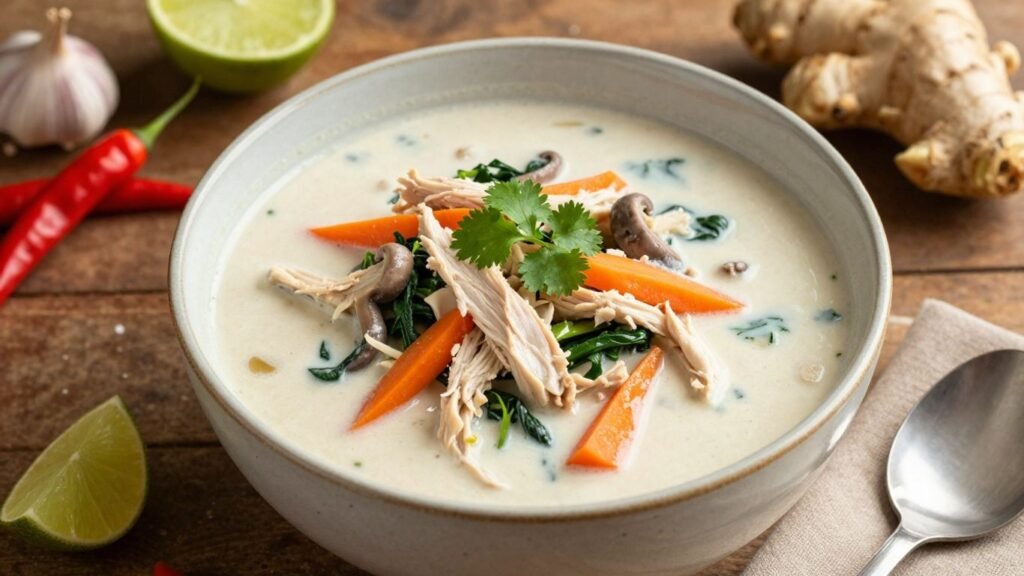
This Whole30 chicken soup with coconut milk is cozy, bright, and easy to adapt for a nourishing meal. The method works on the stovetop, in an Instant Pot, or in a slow cooker.
- Use unsweetened coconut milk and a compliant broth.
- Build flavor by sautéing aromatics before adding liquid.
- Cook the chicken gently so it stays tender.
- Finish with lime, herbs, and seasoning to taste.
- Store portions for simple Whole30 lunches.
What makes this Whole30 chicken soup with coconut milk
Whole30 chicken soup with coconut milk brings together tender chicken, a savory broth, vegetables, and a softly creamy finish. It feels comforting without relying on dairy, grains, or noodles. The result is a flexible bowl with enough character for dinner and enough practicality for meal prep.
Whole30 ingredients and standards
For a Whole30-friendly version, choose ingredients without added sugar, grains, legumes, dairy, or other noncompliant additives. Chicken, vegetables, herbs, spices, and plain coconut milk are straightforward choices, but packaged broth and curry paste deserve a closer look. A recipe like this is only as compliant as its least-checked ingredient.
Read labels on broth, canned coconut milk, spice blends, and any prepared chicken. When in doubt, use a simple homemade blend of garlic, ginger, turmeric, salt, and pepper rather than a seasoning mix with hidden sweeteners.
How coconut milk adds creaminess without dairy

Full-fat coconut milk gives the soup a rounded texture and a mellow richness. It does not need to dominate the bowl; a modest amount softens the broth while allowing the chicken and vegetables to remain distinct. Stir it in near the end so the soup stays smooth and fragrant.
For a lighter texture, use less coconut milk and replace the difference with broth. You can also spoon a little hot broth into the coconut milk before adding it to the pot, which helps temper the temperature and reduces the chance of separation.
The balance of savory, bright, and warming flavors
The best bowls have more than one flavor note. Onion, garlic, ginger, and broth create a savory foundation, while lime or lemon adds brightness. Turmeric, red pepper, or curry seasoning brings warmth without requiring heavy heat.
At Chefworx, recipes sit alongside food culture and culinary discovery, so this soup is a useful reminder that a humble chicken dish can travel through many flavor traditions. A Thai-inspired direction, for example, can lean on ginger, lemongrass, lime, and coconut without losing the comforting character of chicken soup.
Ingredients for the soup
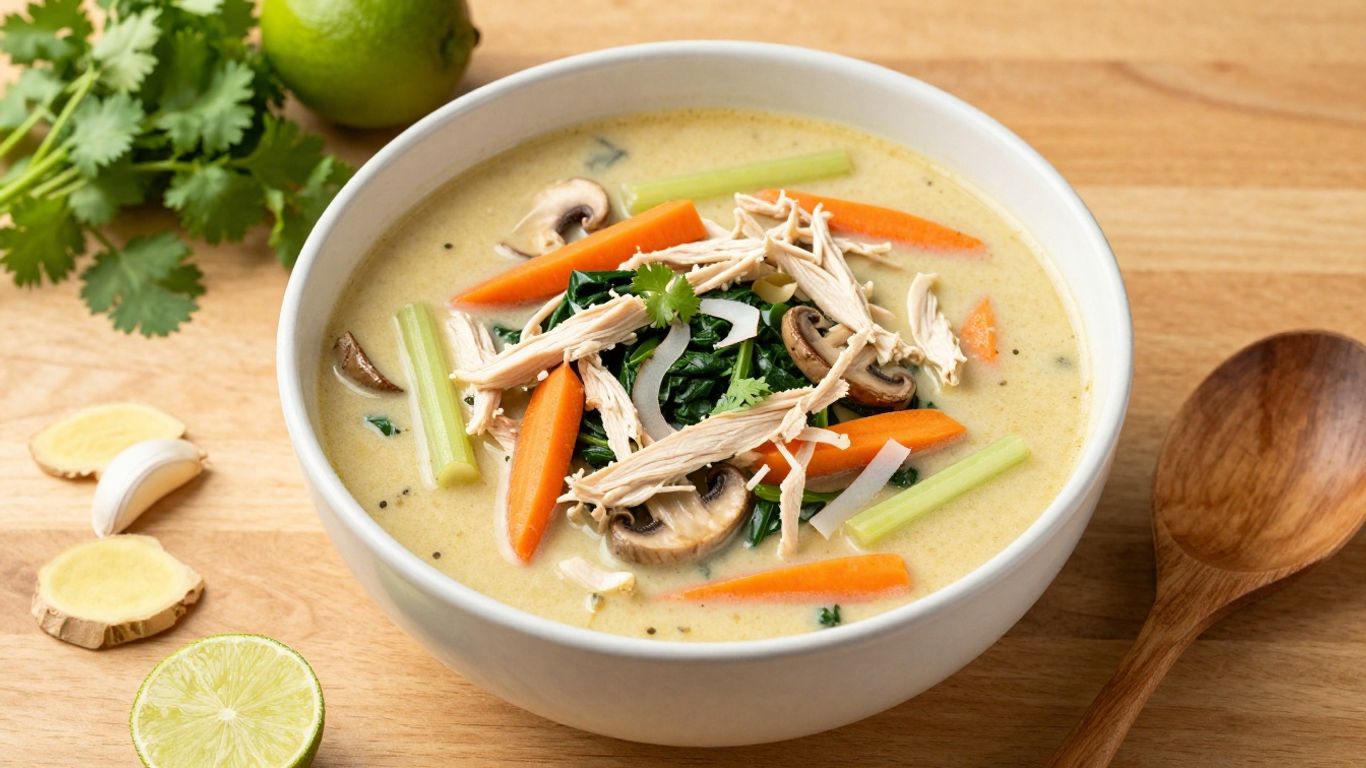
The ingredient list is familiar, but each part has a job. Chicken provides substance, broth carries the aromatics, coconut milk rounds out the texture, and vegetables make every spoonful more interesting. Gather everything before cooking so the soup can move naturally from sautéing to simmering.
Chicken, broth, and coconut milk
Use boneless, skinless chicken thighs for especially juicy meat, or chicken breasts for a leaner bowl. Unsalted or low-sodium chicken broth gives you better control over the final seasoning. Choose full-fat, unsweetened canned coconut milk for the smoothest finish.
You can also use cooked leftover chicken, adding it only near the end. That approach is convenient and prevents already-cooked meat from becoming stringy during a long simmer.
Aromatics, herbs, and spices
Start with onion, garlic, and fresh ginger, then build warmth with turmeric, black pepper, and a little chili. Fresh cilantro, parsley, scallions, or basil can be added just before serving. Lime zest and juice brighten the soup, while lemongrass gives it a particularly fragrant, Southeast Asian-inspired direction.
The combination does not need to be complicated. A few fresh aromatics cooked in oil will do more for the broth than a crowded spice cabinet added all at once.
Vegetables for texture and nutrition
Carrots, celery, mushrooms, zucchini, cauliflower, and spinach all work well here. Add sturdy vegetables early so they have time to soften, and save delicate greens for the final minutes. For another comforting variation, cauliflower rice soup shows how cauliflower can provide body without noodles or grains.
Use vegetables with contrasting textures rather than filling the pot with only soft ingredients. A tender carrot beside a little mushroom bite or wilted spinach makes the finished bowl feel more composed.
What to check on ingredient labels
Packaged foods can contain sweeteners, dairy, wheat, or other ingredients that are easy to overlook. This is especially common in broth, rotisserie chicken, curry paste, and spice blends. A quick label check keeps the recipe aligned with your plan.
| Ingredient | What to look for | Easy substitute |
|---|---|---|
| Chicken broth | No added sugar or dairy | Homemade chicken stock |
| Coconut milk | Unsweetened, full-fat coconut milk | Light coconut milk for a thinner soup |
| Curry paste | Compliant ingredients and no sweetener | Ginger, garlic, chili, and turmeric |
| Cooked chicken | Plain seasoning and no glaze | Home-cooked shredded chicken |
Once the labels are settled, the rest of the preparation is pleasantly uncomplicated. The soup depends more on fresh ingredients and timing than on specialty products.
How to make Whole30 chicken soup
This recipe follows a simple flavor-building sequence: soften the aromatics, simmer the chicken and vegetables, then finish with coconut milk and fresh acidity. Keeping those stages separate gives the broth depth without making the process fussy. It also makes the recipe easy to adjust as you cook.
Sauté the aromatics and spices
Warm olive or avocado oil in a large pot over medium heat. Add diced onion, carrot, and celery, then cook until the onion begins to turn translucent. Stir in garlic, ginger, turmeric, and pepper for the final minute, watching closely so the garlic does not scorch.
This first step creates the soup’s aromatic base. Build flavor early rather than adding every ingredient to cold broth; the vegetables and spices will taste fuller and more integrated.
Simmer the chicken and vegetables
Pour in the broth and scrape up any flavorful bits from the bottom of the pot. Add the chicken and sturdy vegetables, then bring the liquid to a gentle simmer. Cover partially and cook until the chicken is tender and the vegetables can be pierced easily with a fork.
Avoid a hard boil, which can toughen chicken breasts and make the broth look cloudy. A quiet simmer is slower but kinder to the meat and gives the vegetables time to release their flavor.
Shred the chicken and add the coconut milk
Transfer the cooked chicken to a plate and shred it with two forks, or cut it into bite-sized pieces. Return it to the pot, then stir in the coconut milk and any quick-cooking vegetables such as spinach or zucchini. Warm everything gently until the coconut milk is incorporated.
For a more condensed, creamy texture, Whole30 cream of chicken soup offers another useful direction for dairy-free cooking. Here, however, the soup is meant to remain spoonable and brothy rather than thick like a sauce.
Adjust the seasoning before serving
Taste the soup only after the coconut milk has been added, since it softens salt and spice. Add lime juice, salt, pepper, or more chili a little at a time. Fresh herbs should go in just before serving so their color and aroma stay lively.
A final squeeze of citrus can make a surprisingly large difference. If the broth tastes heavy, brightness will lift it; if it tastes sharp, a little extra coconut milk can smooth the edges.
Cooking methods and timing
The stovetop gives you the most control, but this soup adapts well to pressure cooking and slow cooking. The main variables are the size of the chicken pieces, the type of chicken, and when the coconut milk is introduced. Keep the finish gentle regardless of the method.

Stovetop instructions
For the stovetop, sauté the aromatics first, add broth and raw chicken, and simmer for roughly 20 to 30 minutes, depending on the size of the pieces. Add quick-cooking vegetables toward the end. Shred the chicken, stir in the coconut milk, and warm for another few minutes without boiling hard.
This method is ideal when you want to check texture as you go. It also lets you reduce the broth slightly if you prefer a more concentrated flavor.
Instant Pot adaptation
Use the sauté function for the onion, garlic, ginger, and spices. Add the broth, chicken, and sturdy vegetables, then cook under pressure according to the size and cut of the chicken; allow a natural release for several minutes before venting. Shred the chicken, switch back to sauté if needed, and add the coconut milk at the end.
Do not pressure-cook the coconut milk for the full cycle. Adding it afterward keeps the texture smoother and gives you more control over the final consistency.
Slow cooker adaptation
Add the broth, chicken, aromatics, and sturdy vegetables to the slow cooker. Cook on low until the chicken is tender, generally several hours, then remove and shred the meat. Return it to the cooker with the coconut milk and delicate vegetables for a short final warming period.
Because slow cookers vary, use tenderness rather than the clock as your main guide. The soup should be hot and the chicken fully cooked, but the vegetables should still have some shape.
How to tell when the chicken is fully cooked
The safest check is the thickest part of the chicken, which should reach 165°F on an instant-read thermometer. The meat should also pull apart easily and show no translucent center. If you are using leftover cooked chicken, simply heat it through rather than simmering it for a long time.
Cutting large chicken breasts in half before cooking can help them finish evenly. Thighs are more forgiving, but they still benefit from gentle cooking and a timely removal from the pot.
Ways to customize the recipe
This soup is a good foundation for a flavorful escapade because the basic structure welcomes different vegetables, herbs, and spice levels. Keep the broth, chicken, and coconut milk in balance, then change one or two elements at a time. That way, you can tell which adjustment made the bowl better.
Vegetable swaps for different textures
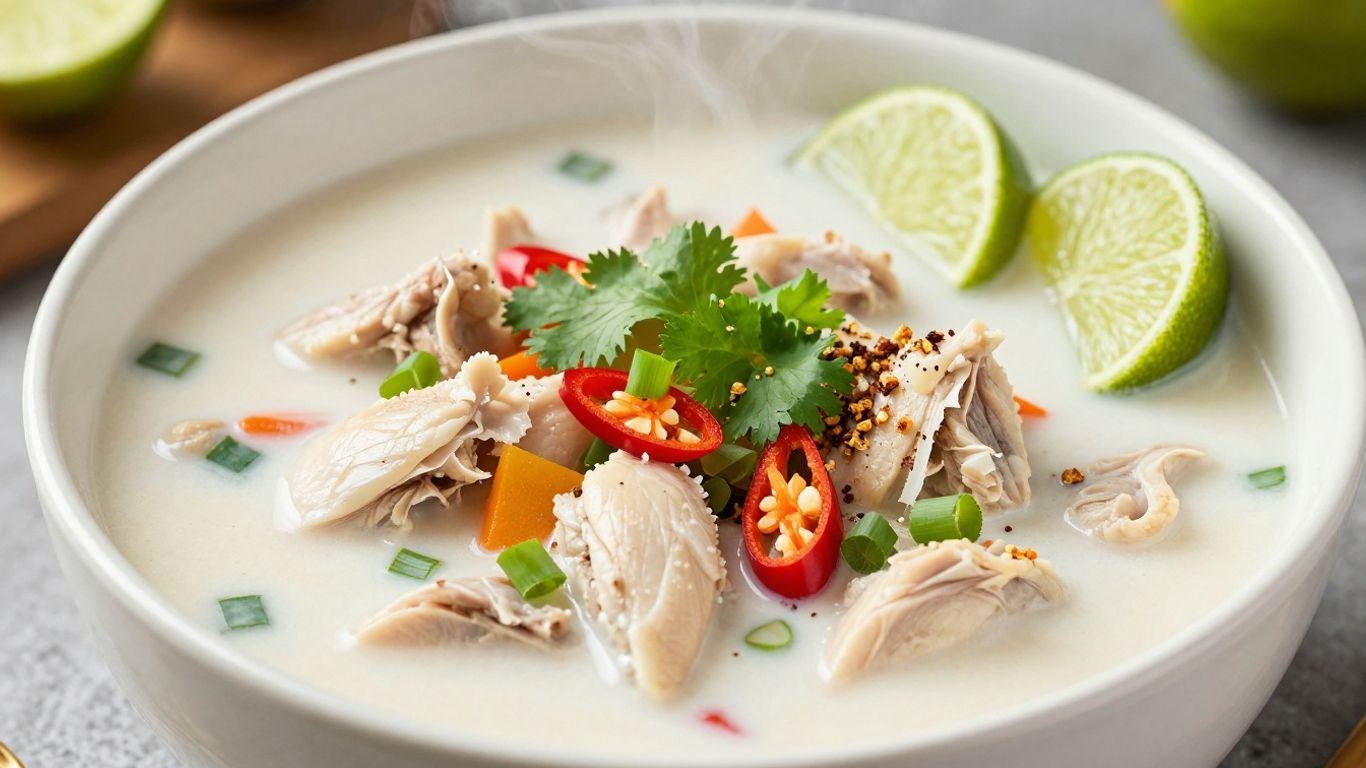
Replace carrots with sweet potato for softness, mushrooms for savoriness, or cauliflower for a hearty bite. Zucchini cooks quickly and keeps the soup light, while kale or spinach adds color near the end. Frozen vegetables can work in a pinch, though they may release more water into the broth.
Choose vegetables based on the texture you want. Root vegetables make the soup feel substantial, while greens and zucchini create a fresher, lighter bowl.
Spice variations for Thai-inspired flavor
For Thai-inspired flavor, add lemongrass, ginger, lime, cilantro, and a compliant red curry paste. Mushrooms pair especially well with coconut milk, and a small amount of fish sauce can add savory depth if it fits your ingredient standards. A related Thai chicken soup takes this flavor family in a similarly fragrant direction.
Start with less curry paste than you think you need, then build gradually. Coconut milk can soften heat, but it cannot erase an overly salty or aggressively spicy addition.
Using chicken breasts, thighs, or leftover chicken
Chicken thighs stay moist through simmering and contribute a richer broth. Breasts are leaner and cook quickly, so remove them as soon as they are done. Leftover roasted or poached chicken is the fastest option and should be stirred in near the end.
If leftover chicken already carries strong seasoning, taste the broth before adding more salt. The existing flavor may be enough to shape the entire pot.
Making the soup thicker or lighter
For a thicker soup, blend a small portion of cooked vegetables with broth and stir it back in, or add more coconut milk. For a lighter version, increase the broth and use a smaller amount of coconut milk. Adding extra vegetables can also make the bowl feel fuller without making the liquid heavy.
The goal is a texture that coats the spoon lightly but still pours easily. Remember that the soup may thicken a little as it cools, especially if it contains starchy vegetables.
Troubleshooting common recipe issues
Most soup problems are easy to correct because the ingredients are forgiving. Taste in stages, adjust gradually, and avoid trying to fix several things at once. The finished bowl should taste balanced rather than intensely salty, spicy, or acidic.
How to fix soup that tastes bland
Bland soup usually needs salt, acidity, or more aromatic depth rather than a random handful of spices. Taste a spoonful from the center of the pot, then add salt in small increments. Lime juice, fresh herbs, garlic, ginger, or a little compliant fish sauce can sharpen the flavor.
Give each adjustment a minute to disperse before tasting again. If the broth is diluted, simmering it uncovered can concentrate the flavor, though you should watch the vegetables so they do not overcook.
What to do if the soup is too thin or thick
If the soup is too thin, simmer it uncovered briefly or blend a small amount of vegetables into the broth. More coconut milk will add body but also increase richness. If it is too thick, add warm broth a little at a time until the consistency feels comfortable.
Avoid adding a large amount of liquid at once. Small additions preserve the seasoning and make it easier to stop at the texture you want.
Preventing dry chicken and curdled coconut milk
Dry chicken usually comes from an aggressive boil or cooking it well past doneness. Keep the pot at a gentle simmer and check early, particularly with chicken breasts. Coconut milk can separate when boiled hard, so add it toward the end and warm it slowly.
A slightly separated surface is not a disaster; stirring can bring much of it back together. For the smoothest result, shake or whisk the coconut milk before pouring it into the pot.
Adjusting the soup for heat and acidity
Add chili gradually and use lime juice at the very end. If the soup is too hot, extra broth, coconut milk, or vegetables will dilute the heat. If it tastes flat, a small squeeze of lime and a pinch of salt may restore the contrast.
Keep tasting as you adjust. Heat and acidity can become more noticeable after the soup sits, so a restrained finish is usually wiser than a dramatic one.
Storing, freezing, and reheating
Coconut milk soup is well suited to make-ahead cooking, though its texture can change slightly after chilling. Cool it promptly in shallow containers, then refrigerate or freeze it in portions. Keeping garnishes separate makes the stored soup taste fresher.
How long the soup keeps in the refrigerator
Store cooled soup in airtight containers and use it within three to four days for the best quality. Refrigerate it promptly rather than leaving a large pot at room temperature. If the aroma, appearance, or texture seems questionable, discard it.
Portioning the soup before chilling helps it cool faster and makes weekday lunches easier. It also prevents repeatedly warming the entire batch.
Freezing the soup with coconut milk
The soup can be frozen, although coconut milk may separate slightly as it thaws. Once reheated and stirred, the texture is often pleasant again. Leave a little space in each freezer container for expansion and label the date.
For maximum control, you can freeze the broth, chicken, and vegetables together, then add fresh coconut milk while reheating. Either approach works; the latter simply gives you a silkier finish.
Best reheating methods
Reheat the soup gently on the stovetop over medium-low heat, stirring occasionally. Individual portions can go in the microwave in short intervals, with a stir between each interval. Avoid a rolling boil, which can toughen the chicken and encourage coconut milk to separate.
If the soup has thickened overnight, add a splash of broth before reheating. Warm it until steaming, then taste before adding any new seasoning.
Refreshing the flavor after storage
Stored soup often benefits from fresh lime juice, herbs, or a little cracked pepper. Taste it warm because cold soup hides some of its seasoning. A few fresh greens stirred in during reheating can also restore color and texture.
Think of reheating as a small second seasoning pass. The soup does not need a complete remake; it usually needs brightness and a touch of moisture.
Serving ideas for Whole30 meal prep
A bowl of this soup can stand alone, but thoughtful garnishes and simple sides make it feel like a complete meal. Chefworx approaches cooking as both practical craft and culinary discovery, and this is a dish where small finishing touches create a new experience each time. Keep toppings fresh and add them only when serving.
Whole30-friendly garnishes
Try cilantro, parsley, sliced scallions, toasted coconut flakes without added sugar, lime wedges, or thinly sliced chili. Fresh herbs bring lift, while lime makes the coconut broth taste brighter. Avocado can add richness if the soup itself is made with less coconut milk.
Add garnishes individually rather than mixing everything into the pot. That lets each person adjust the bowl to their preferred balance of freshness, richness, and heat.
Side dishes to serve with the soup
Roasted vegetables, a simple avocado salad, or a plate of fresh cucumber and herbs can accompany the soup without competing with it. Cauliflower rice is another satisfying option when you want something more substantial. Keep side dishes simply seasoned so the soup remains the main flavor.
For a hospitality-inspired spread, serve several small toppings and let everyone finish their own bowl. It turns a practical meal into a relaxed, communal one.
Portioning the soup for lunches
Ladle the soup into single-serving containers once it has cooled slightly. Leave room for expansion if freezing, and pack garnishes separately in small containers or reusable bags. A portion of roughly two cups is often filling, though appetite and side dishes will vary.
Mark containers with the date and reheating note. That small habit makes meal prep more reliable, especially when several dishes are sharing the refrigerator.
Turning leftovers into another meal
Use leftover chicken and vegetables as a filling for a warm bowl of cauliflower rice, or reduce a portion gently to create a thicker stew-like lunch. You can also add fresh greens and herbs to make the second serving feel different. Keep extra broth nearby in case the leftovers become too concentrated.
A versatile soup should reward repetition rather than feel identical every time. New garnishes, a sharper squeeze of lime, or a different side can take the same base in a fresh direction.
Conclusion
Whole30 chicken soup with coconut milk is a comforting, adaptable recipe built on patient aromatics, tender chicken, bright citrus, and a gentle creamy finish. Make it for a quiet dinner, portion it for the week, or change the vegetables and spices for a new culinary escape.
Frequently Asked Questions
Is coconut milk Whole30 compliant?
Plain, unsweetened coconut milk is generally compatible with Whole30, but always check the ingredient label for added sugar, dairy, or other noncompliant ingredients.
Can I use chicken breast instead of thighs?
Yes. Chicken breast works well, but it cooks more quickly and can dry out if boiled too long. Check it early and remove it as soon as it is fully cooked.
Can I make this soup without coconut milk?
You can replace the coconut milk with additional broth for a lighter soup. The result will be less creamy, but fresh herbs, aromatics, and lime can still give it plenty of flavor.
What vegetables work best in Whole30 chicken soup?
Carrots, celery, mushrooms, zucchini, cauliflower, spinach, kale, and sweet potato are all good options. Add firmer vegetables earlier and delicate greens near the end.
How do I keep coconut milk from separating?
Add coconut milk near the end and warm the soup gently instead of boiling it vigorously. Stirring occasionally also helps maintain a smoother texture.
Can I freeze chicken soup with coconut milk?
Yes. Freeze it in airtight portions, leaving room for expansion. The coconut milk may separate slightly after thawing, but gentle reheating and stirring usually improve the texture.
How can I make the soup more flavorful?
Build flavor by sautéing the aromatics first, then adjust the finished soup with salt, lime juice, fresh herbs, and a modest amount of chili or compliant curry seasoning.