

This Brie & Peach Grilled Cheese brings creamy Brie, ripe stone fruit, and crisp buttery bread together in a quick, memorable meal.
- Choose peaches that are ripe but still firm enough to slice cleanly.
- Use sturdy bread and a moderate amount of Brie for balanced texture.
- Control the heat so the bread browns while the cheese melts.
- Add herbs, cured meat, honey, or balsamic for extra contrast.
- Serve the sandwich immediately for the crispest crust and softest center.
Choose the ingredients for Brie & Peach Grilled Cheese
A good Brie & Peach Grilled Cheese depends on contrast: tender fruit against crisp bread, creamy cheese against bright acidity, and sweetness balanced by something savory. The ingredients do not need to be elaborate, but each should bring a clear texture or flavor. At Chefworx, practical cooking guidance is always part of the pleasure, so start with ingredients that are easy to handle and rewarding to eat.
Select ripe peaches with the right texture
Choose peaches that yield slightly when pressed near the stem but are not soft or leaking juice. The flesh should slice without collapsing, since very ripe fruit can make the sandwich messy and watery. Freestone peaches are particularly convenient because the pit usually releases more easily, though any flavorful, firm peach will work.
Pick Brie, bread, and butter for balanced flavor
A small wheel or wedge of Brie with a soft, creamy interior melts beautifully without overwhelming the fruit. Sourdough, country white, or a seeded loaf gives the sandwich enough structure to hold the filling; very thin bread may brown before the center warms. Use softened butter in a thin, even layer so the bread cooks steadily rather than soaking up greasy patches.
The following guide helps match each ingredient to the role it plays in the finished sandwich:
| Ingredient | What to look for | Purpose |
|---|---|---|
| Peaches | Ripe, firm, fragrant | Juicy sweetness and gentle acidity |
| Brie | Creamy, mild, sliceable | Soft melt and rich body |
| Bread | Sturdy, even slices | Crisp shell and structural support |
| Butter | Soft and spreadable | Golden browning and savory richness |
Think of the table as a balancing tool rather than a strict shopping list. If the peach is especially sweet, choose a tangier sourdough; if the Brie is mild, a more fragrant herb or sharper glaze can wake up the sandwich.
Add complementary ingredients such as basil, honey, or balsamic glaze
Fresh basil gives the sandwich a cool, peppery lift, while a little honey rounds out the fruit and cheese. Balsamic glaze brings a darker, tangy sweetness, but use it sparingly so the bread does not become wet. A pinch of black pepper or flaky salt can make the peach taste more vivid without turning the sandwich into a dessert.
Prepare the peaches for the sandwich
Peaches need only a little preparation, but this is where texture is won or lost. The goal is to soften the fruit just enough to warm it while keeping its shape. Set the slices aside before assembling so you can judge how much moisture they are releasing.
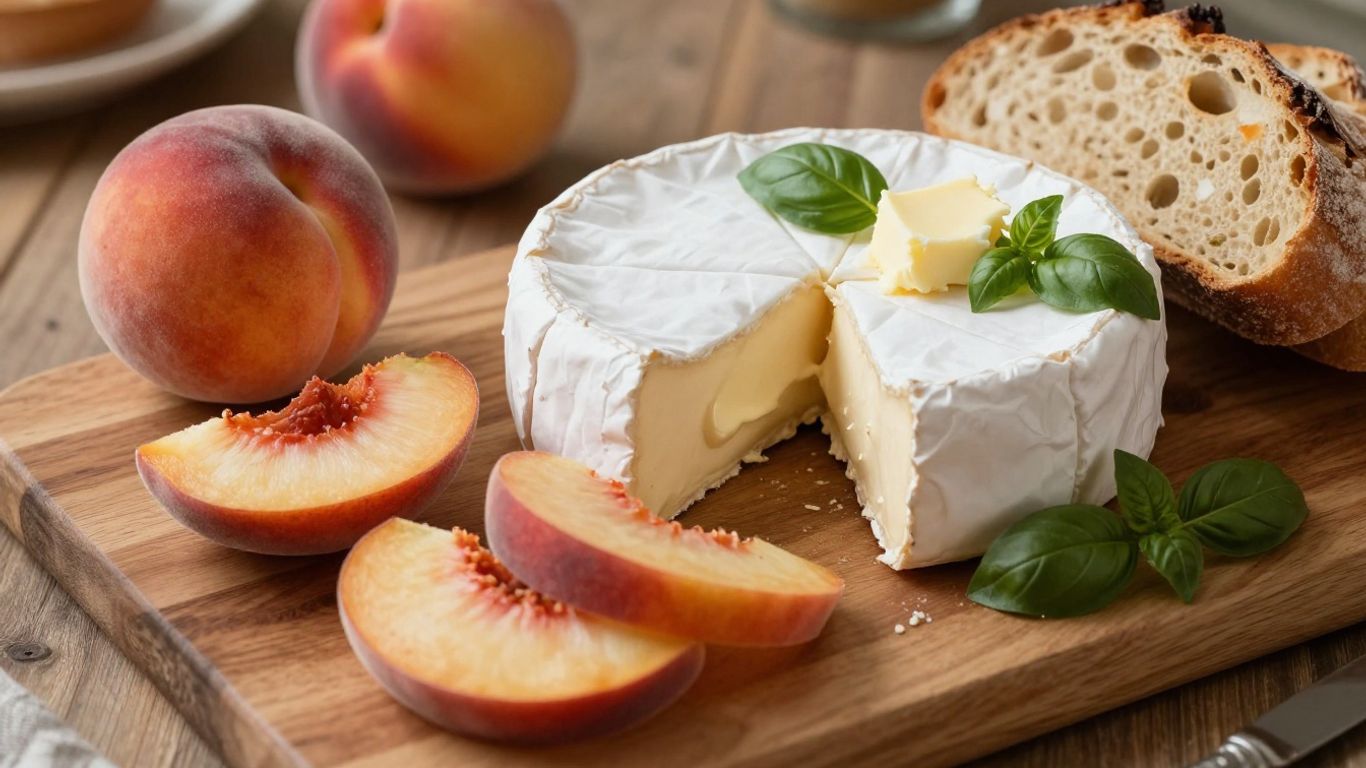
Slice fresh peaches for even cooking
Rinse and dry the peach, then cut it in half and remove the pit. Slice each half into pieces roughly one-eighth to one-quarter inch thick; thin slices warm quickly, while slightly thicker ones retain a pleasant bite. Keep the slices similar in size so one part of the sandwich does not turn soft while another remains cool.
Decide when to grill, sauté, or use peaches raw
Raw peach slices are ideal when the fruit is ripe, fragrant, and not excessively juicy. For firmer peaches, a brief sauté in a dry skillet or a quick grill can bring out sweetness and make the slices more tender. A fresh approach also pairs naturally with summer peach and Brie inspiration, especially when basil and honey are part of the flavor direction.
Prevent excess moisture from making the bread soggy
After slicing, pat the peaches gently with a paper towel and avoid piling them too thickly. If the fruit is very juicy, let the slices rest for a few minutes, then blot them again before assembly. A thin barrier of Brie against the bread also helps protect the crumb, while a restrained drizzle is better than flooding the sandwich with sauce.

Build the Brie and peach grilled cheese
Assembly is less about piling on ingredients than distributing them thoughtfully. Brie melts outward, and peaches soften as they heat, so an even arrangement prevents empty corners and overloaded centers. Build the sandwich on a board before the pan is hot, which keeps the process calm and makes flipping easier.
Layer the Brie and peaches for even melting
Butter the outside of each bread slice and place the unbuttered side facing inward. Add a layer of Brie first, arrange the peach slices across it, then add a little more Brie if needed to help bind the filling. Keep the ingredients inside the edges of the bread; exposed cheese can escape and scorch in the pan.
Add savory, sweet, and herbal flavor combinations
A few leaves of basil, a whisper of honey, or a small brush of balsamic glaze can shift the sandwich in a new direction. For an especially balanced bite, combine only one sweet accent with one savory or herbal note. The flavor should unfold from toasted bread to creamy cheese, then finish with the peach rather than tasting like a collection of toppings.
Choose the best amount of filling for crisp edges
Use enough Brie to soften the center, but do not cover the bread with a thick, overflowing layer. A modest row of peach slices is easier to contain and leaves more of the perimeter available to crisp. Press the sandwich gently before cooking, just enough to help the layers settle without flattening the bread.
Cook the grilled cheese on the stovetop
The stovetop gives you close control over color, heat, and timing. A heavy skillet is helpful because it distributes warmth steadily, though an ordinary nonstick pan works well too. Chefworx approaches recipes as approachable kitchen adventures, and this one rewards patience more than complicated technique.
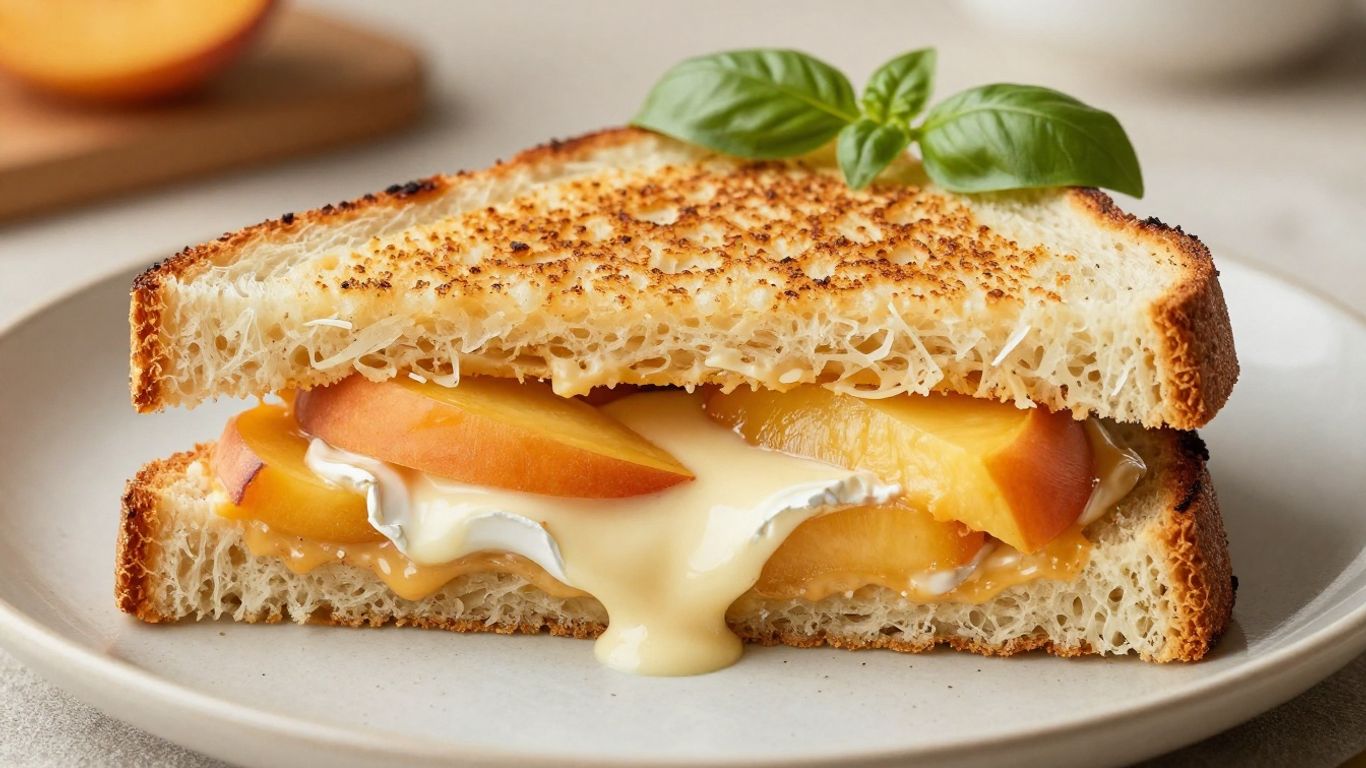
Preheat the pan and control the cooking temperature
Warm the skillet over medium-low to medium heat before adding the sandwich. If the pan is smoking, it is too hot; if the bread barely sizzles, give it another moment to heat. Starting moderately lets the butter brown the bread while the Brie gradually softens inside.
Brown both sides while melting the Brie
Place the sandwich butter-side down and cook until the underside is golden, usually several minutes depending on the bread. Turn it with a broad spatula, supporting the top so the peaches do not slide out, then brown the second side. If the bread colors too quickly, lower the heat and cover the pan briefly to hold warmth around the cheese.
Know when the bread is crisp and the cheese is soft
The sandwich is ready when both sides feel firm and crisp, while the Brie yields when you press the center gently with the spatula. A little cheese may begin to soften toward the edges, but it should not pour out into the pan. Rest it for one minute before cutting so the filling settles without losing its warmth.
Customize the sandwich with flavorful variations
Once the basic combination works, the sandwich becomes a useful canvas for seasonal ingredients. Keep the Brie and peach as the central pairing, then add one or two supporting flavors. This is also a natural place to explore a baked Brie and balsamic peach pairing for inspiration beyond the skillet.
Make a savory version with ham or prosciutto
Add a thin layer of ham or prosciutto for salt and a more substantial bite. Prosciutto can be used straight from the package, while thicker ham is best warmed briefly before it goes into the sandwich. Since cured meat brings plenty of salt, taste the finished combination before adding extra seasoning.
Add basil, thyme, arugula, or caramelized onions
Basil keeps the sandwich bright, thyme gives it a woodsy warmth, and arugula adds a fresh peppery edge after cooking. Caramelized onions create deeper sweetness and pair well with a sharp sourdough. Add delicate greens after cooking if you want them to remain lively rather than wilt completely.
Use hot honey, fig spread, or balsamic glaze for contrast
Hot honey makes the peaches feel sunnier and adds a gentle tingle, while fig spread offers a dense, jammy sweetness. Balsamic glaze is more tangy and concentrated, so a few drops are usually enough. Choose one accent at a time; too many sweet elements can hide the Brie’s creamy character.
Solve common Brie and peach grilled cheese problems
Most difficulties with this sandwich come from heat, moisture, or overfilling. The good news is that each problem has a simple adjustment. Watch the pan and the bread rather than relying only on the clock, since loaf thickness and peach juiciness vary.
Keep the bread from burning before the cheese melts
Lower the heat as soon as the underside reaches a deep golden color. You can also cover the skillet for a minute, which helps the Brie warm without requiring a hotter pan. If the bread is browning unusually fast, the butter layer may be too thin in some spots or the skillet may have been overheated.
Fix a sandwich that is too wet or difficult to flip
If the filling is wet, remove the sandwich briefly, blot the peach slices, and return it to a cooler pan. A wide spatula makes flipping easier, especially when the bread is thick. For the next sandwich, use fewer peach slices, pat them dry, and keep sauces away from the bread’s interior edges.
Adjust the recipe for firm peaches or cold Brie
Firm peaches can be sliced thinly and warmed for a minute before assembly. Cold Brie is easier to portion if you remove it from the refrigerator while preparing the other ingredients, or slice it thinly so it melts sooner. The following small adjustments are useful when the ingredients are not at their ideal starting point:
- Sauté firm peach slices briefly before building the sandwich.
- Slice chilled Brie thinly instead of using one thick piece.
- Reduce the heat and cover the pan if the bread browns too soon.
- Give a very juicy peach extra blotting time before layering.
Apply only the adjustment that matches the problem. Overcorrecting can make the sandwich dry, so small changes usually produce the best result.
Serve and store the grilled cheese
This sandwich is at its most appealing just after cooking, when the bread crackles and the Brie is soft. Serve it as a light lunch, a late-summer supper, or a small hospitality-style plate with a few thoughtful accompaniments. Chefworx encourages curiosity around food, and even a simple sandwich can open the door to seasonal pairings and local flavor.
Pair the sandwich with salads, soup, or fruit
A lightly dressed arugula salad cuts through the richness, while tomato soup makes the meal feel classic and comforting. Fresh grapes, sliced melon, or a few extra peach wedges add a cool, juicy contrast. If you are serving wine, look for a crisp, lightly aromatic white that will refresh the palate rather than compete with the Brie.
Cut and plate it for the best texture
Let the sandwich rest for about a minute, then cut it diagonally with a sharp knife. The angle exposes the melted center and makes the sandwich easier to pick up, while a short rest reduces filling spill. Serve it on a warm plate with the cut side facing up so the crisp crust stays visible.
Reheat leftovers without losing the crisp crust
A skillet over low heat is the best way to revive leftover grilled cheese. Warm it slowly on both sides, adding a lid for a short period if the center needs help, then uncover the pan so the crust can crisp again. Avoid the microwave when possible, since it tends to soften the bread and make the peach filling wetter.
Conclusion
A well-made Brie & Peach Grilled Cheese is a small but satisfying study in contrast: crisp bread, melting cheese, fragrant peaches, and a carefully chosen finishing note. With moderate heat and restrained layering, it turns familiar ingredients into a flavorful escapade that belongs just as comfortably at a quick lunch as it does on a relaxed seasonal table.
Frequently Asked Questions
Can I use canned or frozen peaches?
Fresh peaches are usually best because they offer a firmer texture and brighter flavor. If using canned peaches, drain and pat them very well; frozen peaches should be thawed, drained, and dried before assembly.
Should I remove the Brie rind?
The rind is edible and can remain on the cheese. Remove it only if you prefer a smoother texture or a milder flavor in the finished sandwich.
What bread works best for this grilled cheese?
Choose a sturdy loaf such as sourdough, country white, multigrain, or a rustic boule. The slices should be thick enough to support the filling without being so dense that the Brie cannot warm through.
How much Brie should I use?
Use enough thinly sliced Brie to cover the bread without reaching the edges. A moderate layer melts more evenly and leaves room for the peaches to remain distinct.
Can I make the sandwich without butter?
Yes. A thin coating of olive oil or mayonnaise can brown the bread, though each creates a slightly different flavor and crust. Use a modest amount to avoid greasy bread.
How do I keep peaches from making the sandwich soggy?
Choose peaches that are ripe but firm, pat the slices dry, and avoid overfilling the sandwich. Keep wet sauces to a minimum and place a layer of Brie between the bread and fruit.
Can I prepare the sandwich ahead of time?
You can slice the peaches, Brie, and bread ahead, but assemble and cook the sandwich close to serving. The crust and melted center are best when they are freshly made.