
Key Takeaways
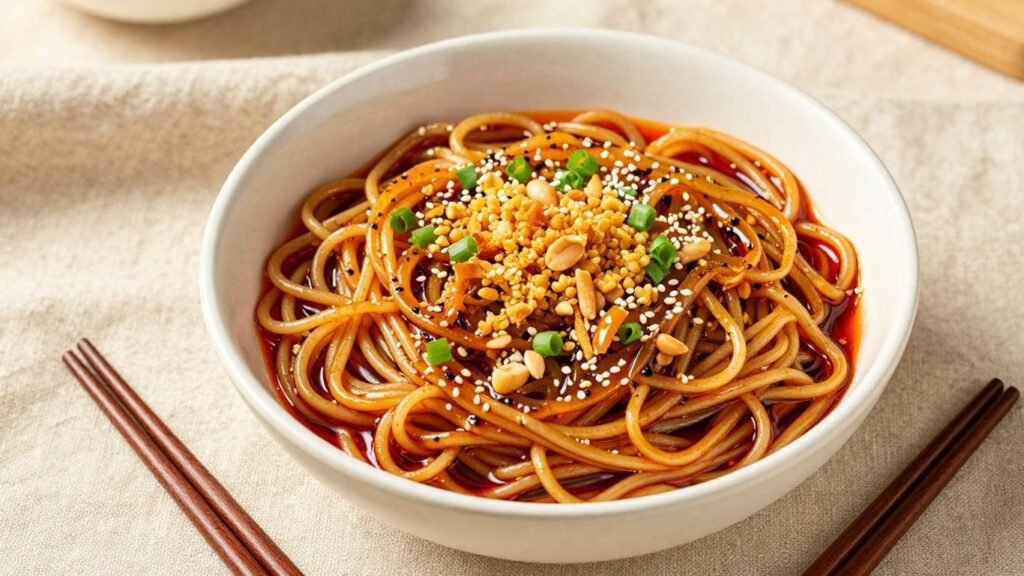
Crispy Chili Oil Noodles are quick to make, but a few small choices create a much more satisfying bowl.
- Use noodles with enough surface texture to hold the sauce.
- Balance chili heat with soy sauce, vinegar, sesame, and a little sweetness.
- Bloom aromatics with hot oil, but do not let garlic or chili scorch.
- Add crispy toppings just before serving for the best contrast.
- Store noodles and crunchy toppings separately whenever possible.
What makes crispy chili oil noodles so flavorful
Crispy Chili Oil Noodles bring together heat, salt, acidity, fragrance, and texture in one uncomplicated bowl. The sauce is bold enough for a quick meal, yet flexible enough to suit different noodles and toppings. Much of the pleasure comes from contrast: silky strands beside crunchy garlic, bright scallions against deep chili, and warm oil rounded by vinegar.
The role of crispy chili bits and aromatic oil
Chili flakes contribute direct heat, while the oil carries their color and perfume across every strand. Crispy garlic, shallots, or peanuts add a toasted edge and give the noodles something to crackle against. The result is more layered than simply stirring hot sauce into a bowl.

A good topping should be fragrant and crisp rather than dark and bitter. Start with a modest amount, then add more at the table if you want a livelier finish.
How garlic, soy sauce, vinegar, and sesame balance the heat
Garlic supplies savory sharpness, soy sauce brings salt and umami, and vinegar cuts through the richness of the oil. Sesame oil is best used with restraint because its roasted aroma can easily dominate the bowl. A pinch of sugar can soften the edges and make the chili taste rounder without making the noodles sweet.
Think of the sauce as a small act of adjustment. If the chili is fiery, add a touch more vinegar or sesame; if it tastes flat, check the salt before adding more oil.
Choosing between chili oil, chili crisp, and homemade chili topping
Plain chili oil gives you control over the seasoning and texture, while chili crisp already includes crunchy pieces and often has a more developed savory flavor. A homemade topping lets you choose the balance of garlic, shallot, sesame, and chili. For a speedy pantry dinner, either prepared option works well.
For another quick interpretation of the dish, browse these garlic chili oil noodles for inspiration on pairing thick noodles with a savory, garlicky sauce. Treat any recipe as a starting point and adjust the heat to your own table.
Why the sauce clings best to hot, freshly drained noodles
Hot noodles carry a little surface moisture that helps the sauce spread instead of pooling at the bottom. Their warmth also loosens the chili oil and allows the seasonings to settle into the folds. Drain them well, but do not rinse them unless the recipe specifically calls for it.
The ideal texture is springy and flexible. Overcooked noodles turn soft and absorb too much oil, while undercooked noodles can make the finished bowl feel dry and resistant.
Ingredients for crispy chili oil noodles
The ingredient list is short, which makes quality and proportion matter. Choose noodles that can stand up to tossing, then build the sauce around a salty element, an acidic element, and aromatic heat. A few fresh toppings will make the bowl feel lively rather than heavy.
Best noodles for texture and sauce absorption
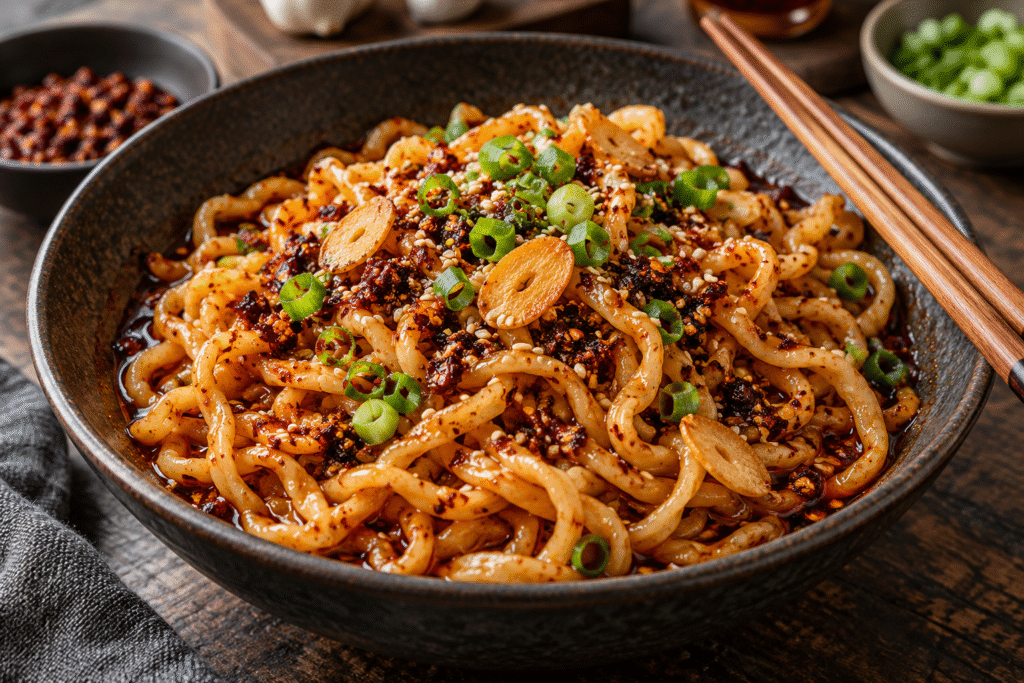
Wide wheat noodles, knife-cut noodles, ramen, and sturdy dried noodles all work well because their surfaces catch the oil and seasoning. Rice noodles can also be delicious, especially when you want a lighter, silky texture. Follow the package timing closely and pull the noodles when they are just springy.
Noodle choice changes the eating experience more than people expect. Thick strands give a chewy, substantial bite, while thin noodles let the sauce feel more immediate and concentrated.
Essential sauce ingredients and substitutions
For two generous bowls, start with about 2 tablespoons chili oil or chili crisp, 1 tablespoon soy sauce, 1 to 2 teaspoons black or rice vinegar, and a small splash of sesame oil. Add a pinch of sugar if the mixture needs rounding out. Gluten-free tamari can replace soy sauce, and lemon juice can stand in for vinegar when necessary.
The sauce should taste a little stronger than you want it to taste on its own because the noodles will dilute it. Reserve a spoonful of noodle water in case the mixture needs loosening.
Aromatics, spices, and crunchy toppings
Fresh garlic is the central aromatic, but sliced shallots, scallions, ginger, toasted sesame seeds, crushed peanuts, and ground Sichuan pepper can each add a different accent. Use dried chili flakes for direct heat and color, or combine them with a prepared crisp for extra texture. Freshly chopped aromatics make a noticeable difference even in a pantry-based meal.
Keep the pieces fairly small so they distribute through the noodles. Large toppings can be added at the end for contrast rather than mixed into every bite.
Optional add-ins for extra protein and vegetables
A fried egg, crisp tofu, shredded chicken, or sautéed shrimp can turn the noodles into a fuller meal. Blanched bok choy, spinach, snow peas, cabbage, and cucumber offer freshness and crunch. Add-ins should be seasoned lightly so they do not compete with the sauce.
These noodles also welcome a little culinary wandering. A recipe such as crispy sesame garlic noodles can spark ideas for combining silky noodles with crisp garlic, shallots, and fresh herbs.

How to make crispy chili oil noodles
The cooking is fast, so prepare everything before the pot comes to a boil. Set out the sauce ingredients, chop the aromatics, and have a heatproof bowl ready for the hot oil. Once the noodles are cooked, the dish should come together in only a few minutes.
Prepare the sauce in a heatproof bowl
Add the chili flakes or chili crisp, soy sauce, vinegar, sesame oil, sugar, and any finely chopped garlic that you want to soften in the hot oil. Use a bowl large enough to hold the noodles later, which saves both time and washing up. Taste the mixture before adding the noodles and make a small seasoning adjustment if needed.
Keep the bowl on a stable, heat-resistant surface. The oil will bubble when it meets the aromatics, so a narrow or fragile vessel is not ideal.
Cook the noodles until springy but not soft
Bring a pot of water to a full boil and cook the noodles according to their package directions, checking them a little early. Bite into one: it should be tender with a slight resistance at the center. Before draining, save a small cup of the cooking water.
Avoid leaving the noodles in the colander while you finish other tasks. Their residual heat is useful, but a long wait encourages sticking and makes the texture dull.
Bloom the aromatics with hot oil
Heat a neutral oil until it is shimmering but not smoking, then pour it carefully over the chili and aromatics. The mixture should hiss and release a roasted fragrance immediately. Stir once the bubbling settles so the hot oil reaches every piece.
If the garlic is already deeply browned before the oil is poured, it may become bitter. Pale gold is a better target because the pieces continue cooking briefly in the hot oil.
Toss the noodles until evenly coated
Transfer the freshly drained noodles to the bowl and toss from the bottom upward, lifting rather than crushing them. Add a teaspoon or two of noodle water if the sauce looks tight or uneven. Keep mixing until the strands are glossy and the seasoning is distributed from edge to edge.
Taste one forkful before serving. This is the moment to add a little vinegar for brightness, soy sauce for depth, or chili oil for more heat.
Finish with crispy toppings and fresh garnishes
Scatter over crispy garlic, fried shallots, sesame seeds, sliced scallions, cilantro, or crushed peanuts. Add delicate herbs at the very end so their color and fragrance stay fresh. A soft fried egg can sit on top, allowing its yolk to mingle with the spicy sauce.
Serve immediately while the noodles are hot and the toppings still have their snap. A small dish of extra chili crisp lets everyone take the bowl in a different direction.
How to get the crispiest chili oil topping
Crisp toppings are a textural detail, but they can decide whether the bowl feels exciting or merely oily. The goal is slow, even browning and a clean, toasted flavor. Work in a small pan and keep your attention on it because aromatics can move from golden to burnt quickly.
Selecting a neutral oil with a high smoke point
Use a mild oil such as canola, grapeseed, sunflower, or peanut oil when frying garlic and shallots. These oils let the chili and aromatics remain the focus. Sesame oil is more aromatic than neutral, so it is usually better stirred into the finished sauce or used in a small amount.
Choose enough oil to let the pieces move freely without flooding the pan. The leftover infused oil can be strained and refrigerated for another meal if it has been handled cleanly.
Heating the oil without burning the garlic or spices
Add sliced garlic or shallots to cool or barely warm oil, then bring the temperature up gradually. Gentle cooking removes moisture and develops a crisp, even surface. Chili flakes are more delicate and are usually better added to a bowl before hot oil is poured over them.
Watch the color rather than relying only on the clock. Remove the pan from the heat when the aromatics are light golden, since carryover heat will deepen them.
Creating crunchy garlic, shallots, or peanuts
Slice garlic and shallots evenly so thin pieces do not burn while thicker ones remain soft. Fry peanuts separately if possible, because their cooking time differs from that of alliums. Drain the finished pieces on a plate or rack and season them lightly while warm.
The most useful sequence is simple:
- Slice the aromatics evenly and keep them dry.
- Fry them gently until pale golden and crisp.
- Drain them well before mixing or storing.
- Add them to the noodles just before serving.
This keeps the topping crisp while giving the infused oil time to flavor the sauce. If the pieces taste bitter, start again rather than trying to hide the scorch with extra chili.
Keeping the crispy bits crunchy when serving
Moisture is the enemy of crunch, so do not stir all the topping into the sauce long before eating. Reserve some pieces for the surface and add them after the noodles are plated. If you are serving a crowd, pass the toppings separately in a small bowl.
A wide serving bowl helps spread the noodles and keeps steam from gathering in one dense mound. That little bit of breathing room preserves the contrast between silky strands and crisp edges.
Ways to customize the noodle recipe
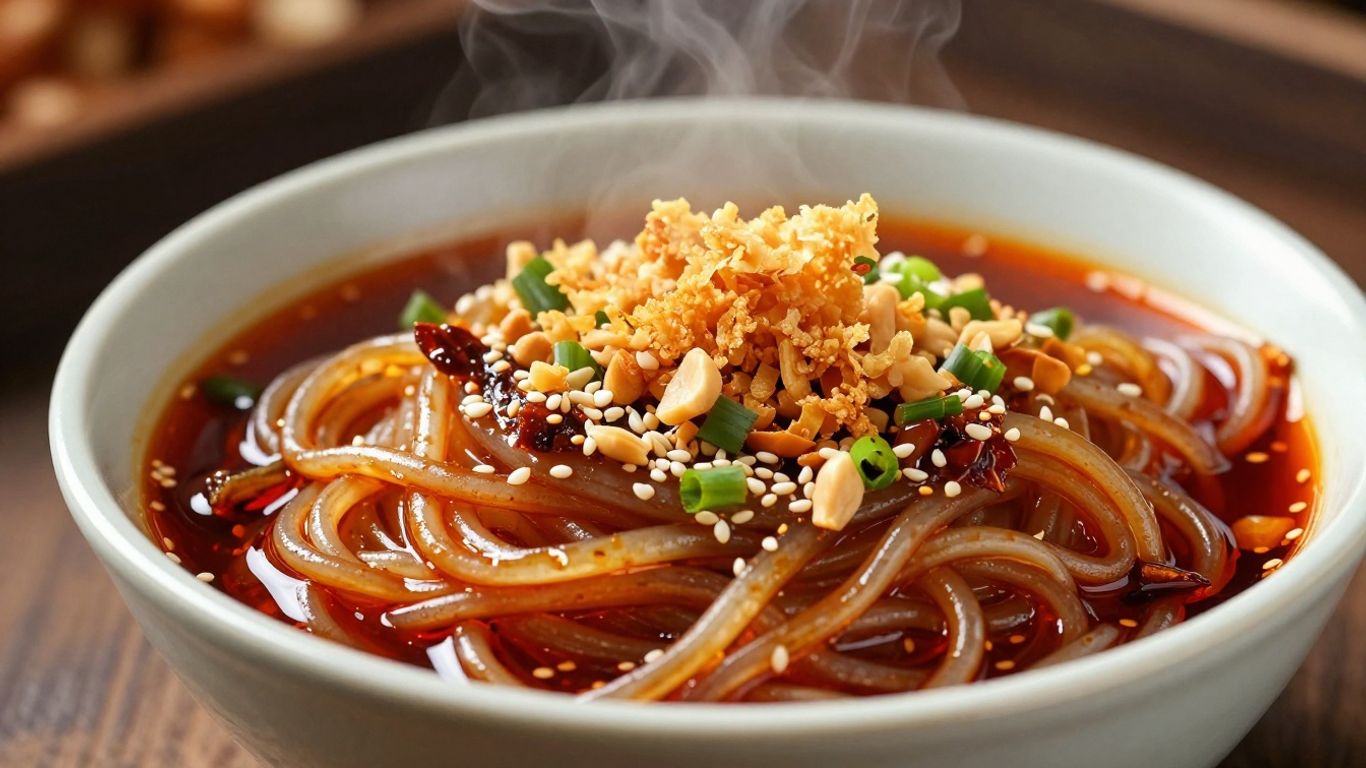
This is a forgiving dish with plenty of room for personal taste. You can make it fiery, mellow, fresh, rich, or almost brothless without losing its character. Start with the base sauce, then change one element at a time so you know what each addition contributes.
Adjusting the spice level
For less heat, reduce the chili flakes and use a mild chili oil, then add more only after tasting. A little extra vinegar, sugar, or sesame can make the heat feel softer. For a hotter bowl, add fresh sliced chili, a sharper chili crisp, or a pinch of ground pepper.
Remember that heat builds as the bowl sits. Make the first serving moderate and offer extra chili at the table for a more comfortable meal.
Making the noodles vegan or gluten-free
Many versions are naturally vegan when made with plant-based noodles, oil, and seasonings. Check the labels on chili crisp and soy sauce, since some prepared products may contain unexpected ingredients. For a gluten-free bowl, use rice noodles or certified gluten-free noodles with tamari.
Keep the crunchy toppings plant-based as well, using peanuts, sesame, fried shallots, or garlic. The sauce remains just as aromatic without animal products.
Adding eggs, tofu, chicken, or shrimp
A fried egg adds a soft, rich counterpoint to the chili, while crisp tofu absorbs the sauce beautifully. Thinly sliced chicken or quickly sautéed shrimp can be seasoned with a little soy sauce before joining the bowl. Cook proteins separately so they brown rather than steam.
Add only enough protein to make the noodles satisfying without burying their texture. Leftover roast chicken or a jammy boiled egg can also turn this into a practical lunch.
Mixing in greens and fresh vegetables
Blanch sturdy greens briefly, then drain them well before tossing them with the noodles. Cucumber, shredded cabbage, grated carrot, scallions, and bean sprouts bring coolness and crunch. Fresh vegetables are especially useful when the sauce is rich or intensely spicy.
Cut everything into manageable pieces so a forkful includes noodles and vegetables together. A handful of herbs at the finish can brighten the entire bowl.
Using different noodle shapes and textures
Wide noodles catch more oil, thin noodles feel lighter, and curly noodles hold little pockets of chili. Rice noodles offer a delicate chew, while wheat noodles bring more elasticity. Even spaghetti can work in a pinch if it is cooked carefully and tossed while hot.
Choose the noodle according to the mood of the meal. A broad, chewy strand suits a substantial dinner; a fine noodle works well with extra greens and a lighter hand with oil.
Common mistakes when making chili oil noodles
Most disappointing bowls are not caused by a complicated technical error. They usually come from uneven seasoning, overcooked noodles, or aromatics taken a little too far. The good news is that each problem has a simple correction, especially when you taste before serving.
Preventing greasy or separated sauce
Oil can feel heavy when there is not enough salty or acidic seasoning to give it shape. Mix the sauce thoroughly before adding noodles, then use a small amount of reserved noodle water to help it spread. Do not pour in extra oil just because the first toss looks dry; the noodles may simply need a moment to absorb the existing sauce.
A spoonful of vinegar or soy sauce can bring the mixture back into balance. Add it gradually so the fix does not create a new problem.
Avoiding bland noodles after adding the chili oil
Plain noodles dilute seasoning more than expected, especially when they are thick. Taste the sauce on its own, then taste it again after tossing with a few strands. If the finished bowl seems muted, add salt or soy sauce first, followed by vinegar for definition.
Fresh scallions, garlic, herbs, and toasted sesame can restore aroma without making the dish aggressively spicy. Sometimes the missing flavor is simply a little acidity.
Fixing noodles that are too spicy, salty, or acidic
Too much heat can be softened with extra plain noodles, a fried egg, tofu, or a small amount of sugar. If the bowl is too salty, add unsalted vegetables or noodles and avoid adding more soy sauce. For excessive acidity, a little oil, sesame, or sugar can round out the sharpness.
Make changes in tiny amounts and toss thoroughly after each one. A dramatic correction often leaves the bowl unbalanced in a different direction.
Keeping noodles from sticking together
Drain the noodles thoroughly, but move them into the sauce while they are still hot. Toss immediately and loosen with a splash of noodle water if the strands clump. If you must wait, a very small amount of oil can help, though it may make the sauce harder to absorb later.
Avoid piling cooked noodles in a cold colander for several minutes. Timing matters here more than forceful stirring.
Protecting garlic and chili flakes from scorching
Garlic should be pale gold, not mahogany, and chili flakes should smell fragrant rather than smoky. Use moderate heat and remove the pan as soon as the aromatics are ready. If the oil is smoking, let it cool briefly before pouring.
Burnt flavors spread quickly through a bowl, so clean, gentle heat is worth the extra attention. This is one place where patience produces a noticeably better result.
Serving, storing, and reheating chili oil noodles
These noodles are at their best straight from the bowl, when the sauce is glossy and the toppings are crisp. Still, thoughtful serving and storage can preserve much of their appeal. Keep hot components hot, fresh garnishes fresh, and crunchy elements away from moisture for as long as possible.
Best garnishes and toppings for serving
Scallions, cilantro, toasted sesame, crushed peanuts, fried shallots, and crispy garlic all work naturally with chili oil. Thin cucumber ribbons or a few fresh herbs can lighten a rich bowl. A fried egg adds softness, while extra chili crisp gives the surface more texture.
Use garnishes in layers rather than piling everything into the sauce. A little color and crunch on top makes each bite feel more varied.
Pairing the noodles with vegetables and side dishes
Serve the noodles with lightly blanched greens, cucumber salad, steamed broccoli, or quick-pickled vegetables. Their freshness offsets the oil and heat without competing with the main bowl. A simple soup or dumplings can make the meal feel more complete when you are serving several people.
For a different pantry-minded direction, these quick chili oil noodles offer another way to pair noodles with ginger, garlic, sesame, soy sauce, and green onions. The same balance of heat and freshness works across many variations.
Storing leftover noodles and chili oil separately
Cool leftover noodles promptly and store them in an airtight container in the refrigerator. Keep extra chili oil and crispy toppings in separate containers so the noodles do not become saturated and the crunchy pieces do not soften. Fresh garnishes are best cut just before serving.
Use leftovers within a reasonable refrigerated storage window and check their aroma and texture before reheating. Separation makes it easier to refresh the bowl rather than simply warming a dense mass.

Reheating without losing the crispy texture
Reheat the noodles gently in a skillet or microwave with a teaspoon of water, stirring until loosened. Add fresh chili oil after warming instead of cooking all the oil into the noodles. Finish with reserved crispy garlic, shallots, peanuts, and herbs.
The reheated bowl will not be identical to the first serving, but this method restores contrast. A quick splash of vinegar can also wake up flavors that seem muted after chilling.
Conclusion
Crispy Chili Oil Noodles reward attention without demanding much time: use springy noodles, build a balanced sauce, bloom the aromatics gently, and protect the crunchy toppings until the last moment. Once that rhythm feels familiar, the bowl becomes a welcoming base for vegetables, eggs, tofu, or whatever flavorful discovery is waiting in the kitchen.
Frequently Asked Questions
What noodles work best for crispy chili oil noodles?
Wide wheat noodles, knife-cut noodles, ramen, and sturdy rice noodles all work well. Choose a shape with enough surface texture to hold the sauce, and cook it until springy rather than soft.
Can I use chili crisp instead of chili oil?
Yes. Chili crisp brings both oil and crunchy pieces, so you can use less additional topping. Taste before adding more salt because prepared chili crisp may already be strongly seasoned.
How can I make chili oil noodles less spicy?
Reduce the chili flakes, use a milder chili oil, and balance the sauce with extra noodles, vegetables, egg, tofu, or a small amount of sugar. Add vinegar carefully to brighten the bowl without increasing the heat.
Why did my noodles turn greasy?
The sauce may contain too much oil or not enough seasoning and noodle water. Toss the noodles thoroughly, then add a small splash of cooking water and adjust with soy sauce or vinegar.
How do I keep the crispy topping crunchy?
Drain fried aromatics well and add them just before serving. Store them separately from the noodles and sauce, since steam and moisture quickly soften crisp garlic, shallots, and peanuts.
Can I make these noodles gluten-free?
Yes. Use gluten-free rice noodles or another certified gluten-free noodle, and replace regular soy sauce with tamari. Check prepared chili oils and crisps for their ingredient labels as well.
Can I prepare chili oil noodles ahead of time?
You can prepare the sauce and crispy toppings ahead, but cook and toss the noodles close to serving. If storing leftovers, keep the noodles, chili oil, and crunchy toppings separate and refresh them gently when reheating.