
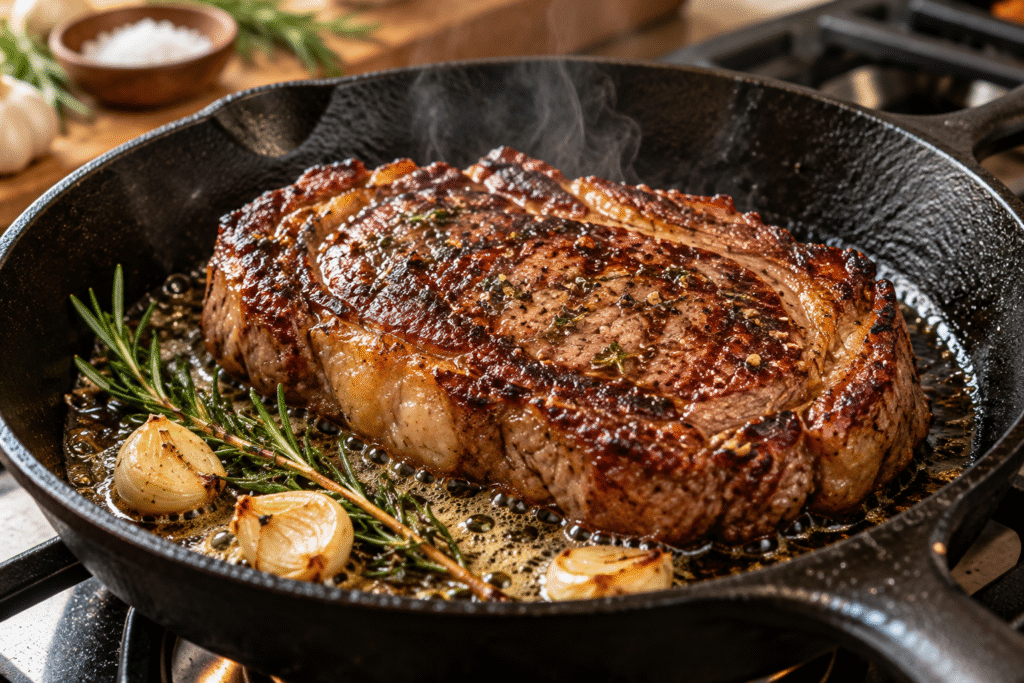
A steak can spend hours in a flavorful marinade and still come out disappointing: sharp with lemon, soft around the edges, and stubbornly pale in the pan.
The problem usually comes down to balance and technique. The best steak marinade adds savory flavor without overwhelming the beef, uses acid carefully, and comes with clear instructions for what happens after the soaking is finished.
This version combines olive oil, soy sauce, Worcestershire sauce, fresh garlic, and a smaller amount of lemon juice. Lemon zest supplies extra citrus aroma, while black pepper and a little hot sauce round out the seasoning.
It builds on the familiar formula behind Allrecipes’ popular “Best Steak Marinade in Existence,” with adjustments designed to give you more control over acidity, timing, and the final crust.
The essentials:
- Use lemon juice for brightness; adding more does not guarantee more tender steak.
- Marinate thin cuts for about 2–4 hours, adjusting for thickness and your schedule.
- Drain and pat the meat dry before cooking.
- Reserve clean marinade for sauce, or boil any marinade that has touched raw meat before serving it.
The Problem With Most Steak Marinades
A good steak marinade should support the meat’s flavor. Trouble starts when the marinade becomes so acidic, salty, or heavily seasoned that the beef disappears behind it.
Too much acid can damage the surface
Lemon juice and vinegar change proteins where they contact the meat. Used carefully, they contribute brightness and affect texture. Left in contact for too long, an acidic mixture can give the outside an unpleasantly soft texture while the center remains chewy.
University of Florida Extension identifies prolonged exposure to acidic marinades as a cause of soft, mushy meat. More soaking time is not always an improvement. University of Florida Extension
An acidic soak may also leave the exterior looking dull or grayish. That color change does not mean the steak has been safely cooked.
The useful distinction is between flavoring steak and transforming a tough cut. Marinade can improve the eating experience, but it cannot make every inexpensive steak behave like tenderloin.
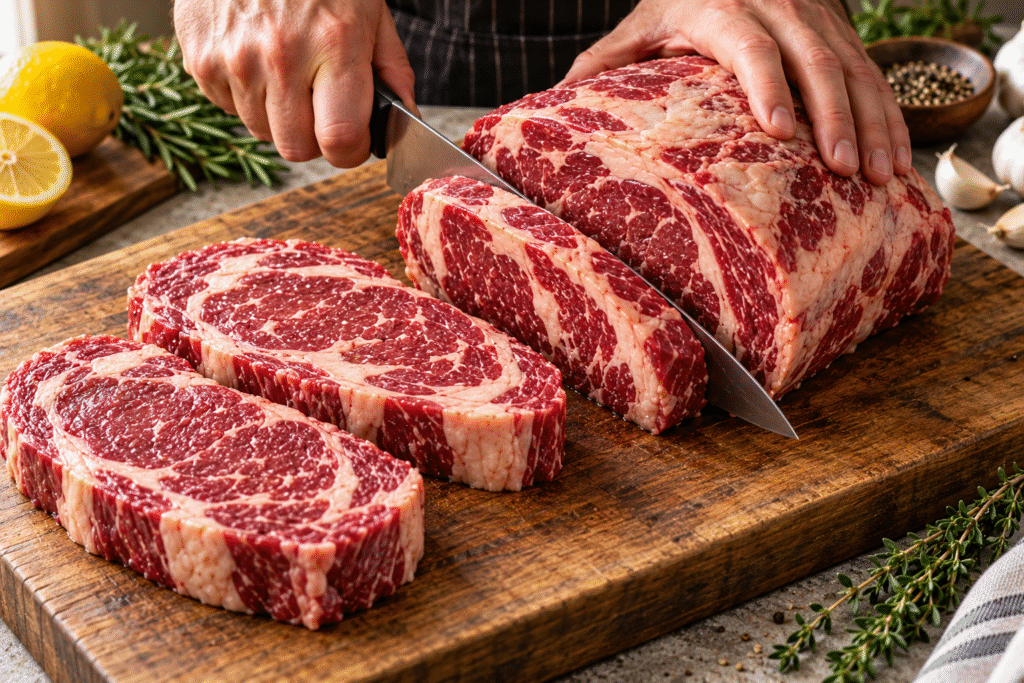
Wet steak struggles to brown
A dripping steak brings extra water into the pan. That moisture must evaporate before the surface can develop a substantial crust.
Crowd several wet steaks into a skillet and the problem gets worse: the pan loses heat, liquid collects, and the meat spends too much time steaming.
Draining and drying the steak matters as much as choosing the ingredients. Used marinade needs careful handling
Marinade that has touched raw beef contains raw meat juices. Lemon juice does not make it safe to spoon over cooked steak.
Set aside a clean portion before adding the meat. If you want to use the liquid from the marinating bag, boil it first using the method below.
Why This Steak Marinade Actually Works
This steak marinade combines several distinct jobs in one mixture: savory seasoning, aromatic flavor, and enough acidity to keep the finished steak from tasting heavy.
Restrained lemon adds brightness
The original recipe calls for ⅓ cup of lemon juice. This adaptation uses 1 tablespoon plus finely grated zest.
That substantially reduces the added lemon juice while preserving citrus aroma. It also makes the mixture less lemon-forward.
There is still acidity from Worcestershire sauce and hot sauce, so this remains a marinade that needs sensible timing. Reducing the lemon does not make indefinite soaking a good idea.
Olive oil carries the aromatics
Olive oil helps distribute garlic, herbs, pepper, and citrus zest over the steak.
It does not seal juices inside the meat. Its practical role here is to form part of a flavorful coating that can reach the steak’s uneven surfaces.
Use an olive oil you enjoy, but save an expensive finishing oil for the table.
Soy sauce and Worcestershire provide savory depth
Soy sauce supplies salt and umami. Worcestershire adds a different combination of tangy, savory, and lightly sweet flavors.
Together, they create a fuller seasoning than either ingredient alone.
Because both contain salt, this recipe starts without additional salt. You can adjust the finished steak at the table, especially if you use a reduced-sodium soy sauce.
Blending makes the mixture easier to distribute
A brief blend disperses the oil, liquid ingredients, garlic, and herbs into a more uniform mixture.
That makes it easier to coat the steak evenly. The mixture may separate as it stands; shake or stir it again before using.
Blending is helpful, but it is not a tenderizing step. A tightly sealed jar and a vigorous shake also work, particularly if the garlic is finely grated.
The Right Way to Use This Steak Marinade
Timing should reflect the cut, its thickness, and how strongly you want it seasoned.
The following ranges are practical starting points for this reduced-lemon version.
| Cut or situation | Suggested marinating time | Main goal |
| Thin skirt steak | 2–4 hours | Add savory surface flavor |
| Flank steak | 2–4 hours initially | Season without an unnecessarily long soak |
| Top sirloin steaks | 4–8 hours | Build flavor |
| Sirloin tip or other firmer grilling cuts | 8–12 hours, overnight | Add flavor while keeping expectations realistic |
| Tender strip steak or ribeye | 20 minutes–2 hours | Add a lighter layer of seasoning |
| Last-minute dinner | 10–20 minutes | Give the exterior a quick flavor boost |
These are flavor and texture guidelines, not food-safety limits. Always marinate in the refrigerator. For more information about marinating please see https://www.allrecipes.com/recipe/143809/best-steak-marinade-in-existence/

What a 10–20 minute dip can do
A short soak is useful when dinner is approaching and the steaks are already tender enough for quick cooking.
Coat the beef, refrigerate it while you prepare the sides and cooking equipment, then drain and dry it.
Expect extra flavor around the outside. Do not expect a quick dip to tenderize a tough steak. Penn State’s explanation of marination makes that same distinction: a brief application can improve flavor without meaningfully improving tenderness. Penn State
Overnight is an option, not a requirement
For firmer cuts, an overnight soak can fit conveniently into meal preparation. It does not replace choosing an appropriate cooking method.
Sirloin tip, for example, can still eat chewy if it is cooked poorly or sliced thickly. Longer marinating cannot compensate for every difference between cuts.
For flank and skirt steak, pay particular attention to slicing across the grain after cooking.
Remove the steak and dry it thoroughly
Lift the beef out of the marinade, let the excess drip away, and pat both sides dry with paper towels.
Remove clumps of garlic and herbs that could burn during searing. You are leaving seasoned meat behind, not trying to preserve a thick layer of liquid.
Preheat the pan or grill, leave space between steaks, and cook in batches when necessary.
Turn leftover marinade into sauce safely
The easiest approach is to reserve a small portion in a separate container before it touches raw steak.
If you want to use the marinade that held the raw beef, transfer it to a saucepan and bring it to a boil for a few minutes before serving. USDA specifically recommends this treatment for reused marinade. USDA grilling and food-safety guidance
Avoid reducing it aggressively: soy sauce and Worcestershire can become excessively salty as water evaporates. Add a splash of water if needed.
Boiling is appropriate for properly refrigerated marinade. It is not a way to rescue liquid that has been mishandled or left warm for an extended period.
What Changes Improve on the Original Recipe?
The original formula has an enthusiastic following. These adjustments offer a different balance, with less lemon juice and a fresher aromatic profile.
Replace most of the lemon juice with zest
Reducing the lemon juice from ⅓ cup to 1 tablespoon makes the marinade less sharply citrusy. Zest supplies fragrance without adding another large measure of juice.
This adjustment is intended to reduce the risk of an overly acidic surface, particularly when the steak marinates for several hours. Timing still matters.
Use fresh garlic instead of a large dose of powder
Fresh garlic contributes a more immediate aroma. Four medium cloves give this batch a clear garlic presence without retaining the original quantity of garlic powder.
Garlic powder remains a useful pantry substitute. Start with 1 teaspoon if fresh garlic is unavailable, then adjust a future batch to your preference.
Neither form is universally better; they create different flavors.
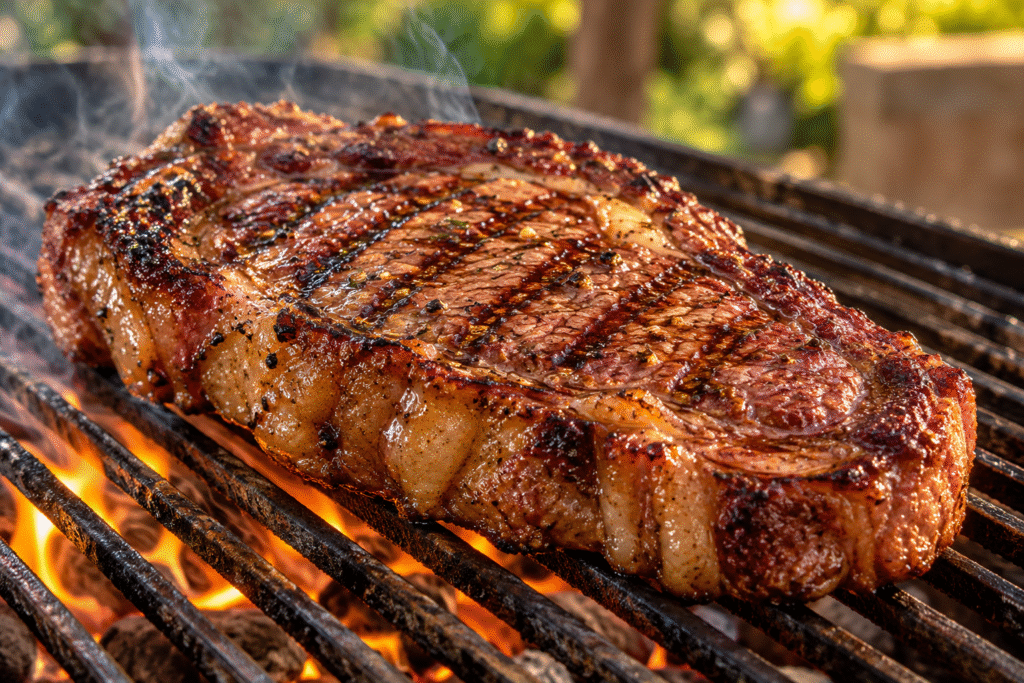
Choose black pepper for its flavor
Black pepper brings a familiar, assertive seasoning that suits grilled beef.
It does not create a crust by itself. Dry meat, sufficient heat, and good contact with the cooking surface do that work.
White pepper is still a valid choice if you prefer its flavor.
Include a small amount of hot sauce
In this version, hot sauce is part of the base recipe. A small quantity adds heat and tang without making the marinade primarily taste of chiles.
Start with ¼ teaspoon for a mild result or use ½ teaspoon for more presence. Different brands vary considerably in strength.
It is a flavor choice rather than a technical necessity. If you cannot tolerate chile, leave it out.
Real Results: What the Reviews Actually Tell Us
The Allrecipes page supplied for this article lists 4.8 stars from 4,499 ratings and 3,371 written reviews. Those figures describe that supplied snapshot and may change.
The featured comments describe flavorful beef, enjoyable texture, and successful meals using cuts including tri-tip and sirloin. Several describe marinating for approximately eight hours.
That feedback gives useful context: the original combination of oil, savory sauces, citrus, and seasonings clearly appeals to many home cooks.
However, those reviews belong to the original recipe. They do not establish that reducing the lemon, changing the garlic, or adding black pepper produces a better result.
This adaptation takes those ingredients in a less citrus-heavy direction. Your cut of beef, cooking method, and seasoning preferences will determine whether it becomes your preferred version.
Easy Steak Marinade Recipe With Less Lemon
This proposed adaptation makes enough marinade for approximately 2 pounds of steak in a snug container or resealable food-safe bag.
Yield: About 1¼ cups, depending on the aromatics
Servings: Approximately 4
Prep time: 10 minutes
Marinating time: Usually 2–4 hours; see the cut guide above
Cooking time: Varies with steak thickness and cooking method
Ingredients
- ½ cup olive oil
- ⅓ cup reduced-sodium soy sauce
- ¼ cup Worcestershire sauce
- 1 tablespoon fresh lemon juice
- 1 teaspoon finely grated lemon zest
- 4 medium garlic cloves, roughly chopped
- 1 tablespoon dried basil
- 1 teaspoon dried parsley
- 1 teaspoon freshly ground black pepper
- ¼–½ teaspoon hot sauce
- Approximately 2 pounds steak, such as flank, skirt, or top sirloin

Instructions
- Blend the marinade. Add all ingredients except the steak to a blender. Blend briefly, about 20–30 seconds, until the garlic is finely chopped and the ingredients are distributed.
- Reserve any finishing portion. If you want sauce, transfer a small amount to a separate clean container before adding raw meat. Refrigerate it.
- Coat the steak. Put the beef in a resealable food-safe bag or a nonreactive container. Add enough marinade to coat it thoroughly. Seal and refrigerate.
- Marinate for your cut. Start with 2–4 hours for thin grilling cuts. Turn the bag or meat once during that time if convenient.
- Drain and dry. Remove the steak, allow excess marinade to drip off, and pat it dry. Brush away large pieces of garlic or herbs.
- Cook. Grill or sear using a method suited to the steak’s thickness. Use a thermometer to check the center. USDA recommends cooking beef steaks to 145°F, followed by at least a three-minute rest. USDA safe minimum temperatures
- Slice and serve. After resting, slice across the grain, especially with flank and skirt steak. Serve with a little reserved clean sauce or properly boiled used marinade.
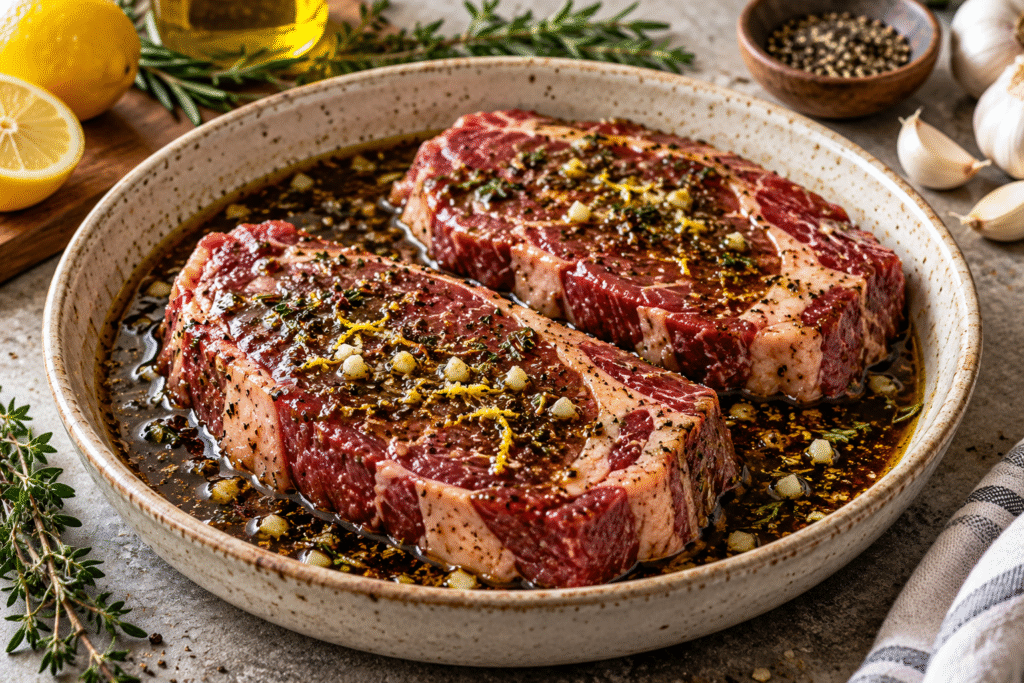
Storage and substitutions
Prepare the fresh-garlic marinade up to two days ahead and refrigerate it promptly in a sealed container. Shake or stir before using.
Refrigerate cooked steak within two hours and use it within 3–4 days. Reheat leftovers gently with a little liquid to limit drying, reaching 165°F.
For a milder oil flavor, substitute a neutral cooking oil. For gluten-free preparation, check every sauce label; use gluten-free tamari and a verified gluten-free Worcestershire sauce. Standard Worcestershire commonly contains anchovies, so check the label if fish is an allergen.
Serve the steak with roasted potatoes, grilled vegetables, or a crisp salad. Thinly sliced leftovers also work in sandwiches and rice bowls.
Frequently Asked Questions
What is the best steak marinade for grilling?
A useful grilling marinade combines savory seasoning, aromatics, oil, and a controlled amount of acid. This soy-and-Worcestershire version suits cooks who want garlic, herbs, and a little citrus. Drain and dry the steak before it reaches the grill.
How long should you marinate steak?
For this recipe, start with 2–4 hours for thin cuts and 4–8 hours for sirloin. An overnight soak of approximately 8–12 hours is an option for firmer cuts. Tender steaks can take a much shorter soak for flavor.
Can you marinate steak for too long?
Yes. Excessive time in an acidic mixture can damage the exterior texture. A longer soak also produces stronger seasoning, which may overwhelm the beef.
Should you rinse steak after marinating?
No. Let the excess liquid drain away, then pat the meat dry with paper towels. Remove any thick deposits of garlic or herbs before searing.
Does steak marinade make tough beef tender?
It can affect the surface and improve flavor, but it has limits. Cut selection, appropriate cooking, and slicing across the grain remain essential. A marinade cannot make every tough cut suitable for a quick sear.
Can you use the marinade as a dipping sauce?
Yes, if you reserved it before adding raw meat. If it has touched raw steak, boil it for a few minutes before serving. Never pour it straight from the marinating bag onto cooked food.
Do you need a blender?
No. Finely grate the garlic and shake everything in a tightly sealed jar. Blending is convenient for distributing ingredients, but it is not essential to the recipe.
Can you skip the lemon juice?
You can leave it out for a less citrusy result. Worcestershire and hot sauce still contribute acidity. Keep the zest if you want lemon aroma, or omit both for a different flavor balance.