
Key Takeaways
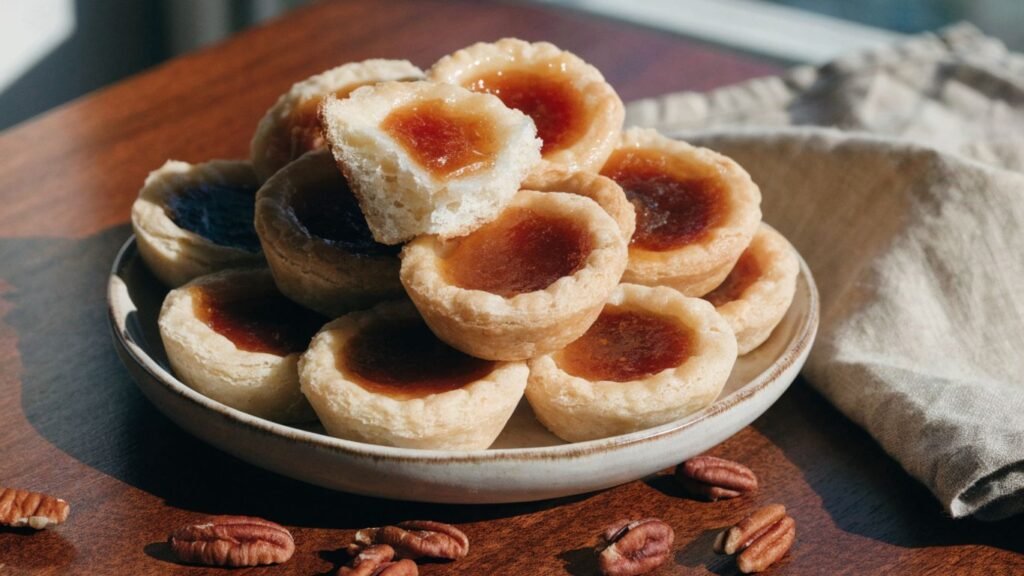
These small maple tarts are all about contrast: crisp pastry around a sweet, buttery center. A few simple techniques help you make them your own.
- Keep the pastry ingredients cold and handle the dough gently.
- Use pure maple syrup for a clear maple flavor.
- Leave room in each pastry shell so the filling can bubble safely.
- Adjust the bake time to get a softer or firmer center.
- Let the tarts cool before lifting them from the pan.
Ingredients for maple butter tarts
A good tart balances a crisp, tender shell with a rich center that tastes of maple rather than plain sugar. This homemade maple butter tarts recipe makes 12 mini tarts, a handy size for sharing or serving after dinner. Gather the pastry ingredients first, then mix the filling while the dough chills.

Choosing maple syrup and sweeteners
Pure maple syrup gives these tarts their distinctive flavor, while brown sugar adds a deeper, almost caramel-like sweetness. Grade A syrup works well; choose a darker variety if you want its maple notes to come through more strongly. The filling is sweet by design, so a small pinch of salt helps keep it balanced. For another take on the same cozy dessert, try this maple tart variation.
What you need for the pastry
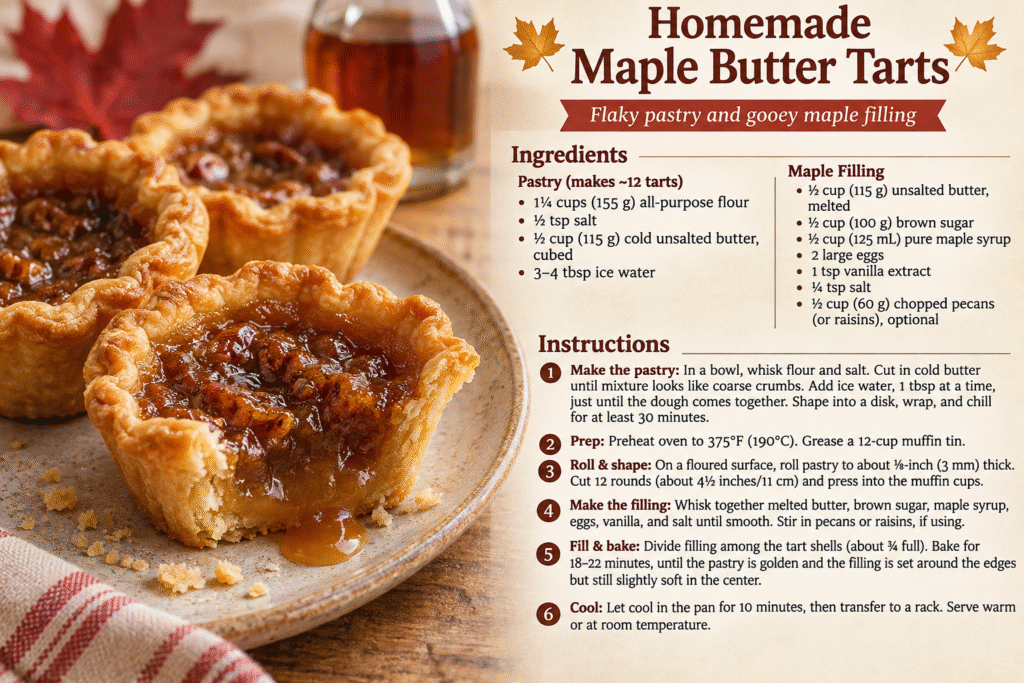
For the pastry, you’ll need 1 ¼ cups all-purpose flour, ½ teaspoon fine salt, ½ cup cold unsalted butter cut into small cubes, and 3 to 4 tablespoons ice water. The butter should be cold enough to hold its shape as you work it into the flour; those little pieces help create a flaky crust. Have a little extra flour ready for rolling, but use it sparingly so the dough doesn’t become dry.
Optional add-ins, from raisins to pecans
The filling is lovely plain, but a small handful of raisins or chopped pecans can add a chewy or crunchy note. For 12 tarts, use about ⅓ cup of one add-in, or divide that amount between the two. You can also skip extras entirely and let the maple shine. Whichever you choose, keep the pieces modest so they fit neatly in the small shells.
Making a flaky tart crust
A tender crust begins with cold butter and a light touch. The dough should hold together without feeling sticky or heavily worked, and a short rest in the refrigerator makes it easier to roll. Don’t worry if it looks a little rough before chilling; smoothness isn’t the goal at this stage.
Mixing the dough without overworking it
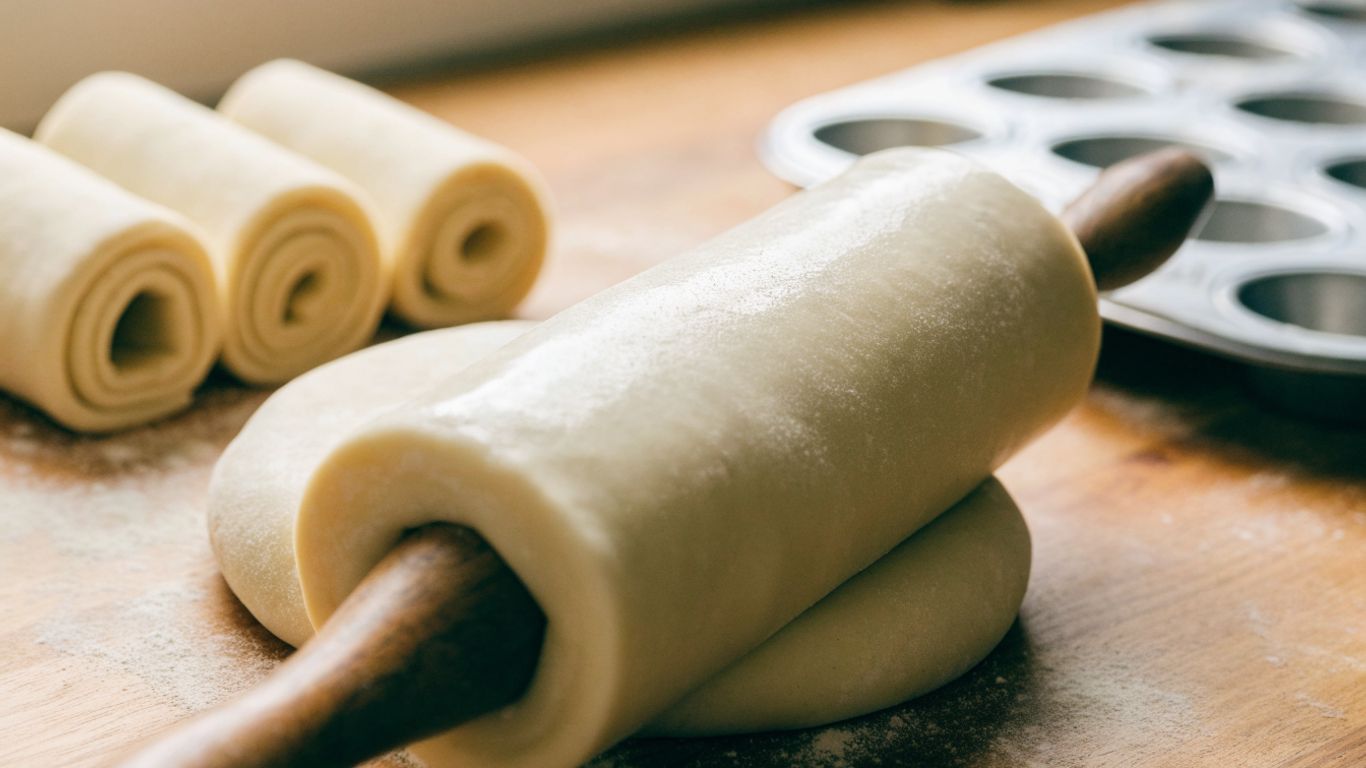
Whisk the flour and salt together, then cut in the cold butter with your fingertips or a pastry cutter until you have a mix of coarse crumbs and pea-size pieces. Drizzle in ice water a tablespoon at a time, tossing gently until the dough just starts to clump when pressed. These small habits help preserve flaky layers:
- Stop mixing as soon as the dough holds together when squeezed.
- Add water gradually; the full amount may not be needed.
- Press loose crumbs into the dough instead of kneading them in.
- Keep your hands cool and work on a lightly floured surface.
Gather the dough into a flat disk, wrap it, and chill it. It may look less polished than a finished pie dough, but avoiding extra handling now helps keep the baked shells tender.
Chilling and rolling the pastry
Chill the dough for at least 30 minutes, or until it feels firm but can still be rolled without cracking badly. On a lightly floured surface, roll it to about ⅛ inch thick, turning it now and then to prevent sticking. If the edges split, press them gently together; if the butter starts to feel soft, return the dough to the refrigerator for a few minutes.
Cutting rounds to fit the muffin pan
Cut 12 rounds about 4 inches across, rerolling scraps once if needed. Ease each round into an ungreased standard muffin cup, letting it settle against the bottom and sides rather than stretching it into place. A little extra pastry above the rim is fine, but trim any especially long flaps. Chill the lined pan while you prepare the filling so the shells stay firm.
Preparing the maple filling
The filling takes just a few minutes to stir together, and it needs no special equipment. Melt the butter and let it cool slightly before combining it with the sugar, egg, syrup, vanilla, and salt. A gentle mix is enough: the finished batter should be smooth, not airy or foamy.
Combining butter, sugar, egg, and maple syrup
For 12 tarts, combine ½ cup packed light brown sugar, ⅓ cup pure maple syrup, ¼ cup melted unsalted butter, 1 large egg, ½ teaspoon vanilla extract, and a pinch of salt. Stir the sugar and butter together, then mix in the egg, maple syrup, vanilla, and salt until combined. If using raisins or pecans, fold them in last. The filling will be thin and glossy, which is just right for spooning into the shells.

Adjusting the filling for a runny or firm center
The center’s final texture depends mostly on how long the tarts bake and how long they rest. Use this guide as a starting point, since ovens and pans can vary. The middle may still look soft when you take the pan out; it will continue to settle as the tarts cool
| Texture | Approximate bake time at 375°F | What to expect |
|---|---|---|
| Soft and gooey | 18–19 minutes | Centers look glossy and gently wobbly |
| Gently set | 20–21 minutes | Centers are mostly set with a slight softness |
| Firmer | 22–23 minutes | Centers look set and the tops are more browned |
Use the table as a guide rather than a strict rule, and check the pastry color as well as the filling. For a softer center, pull the pan when the edges are set but the middle still moves slightly; for a firmer one, give it another minute or two.
Avoiding sugar crystals and overmixing
Brown sugar can have a few stubborn lumps, so break them up before adding the egg. Stirring steadily helps blend the ingredients without whipping air into the filling, which can make the centers puff and then sink. Don’t worry about dissolving every trace of sugar; a smooth, evenly combined mixture is enough. Once the filling looks uniform, stop mixing and use it soon after.
Assembling and baking the tarts
With the shells chilled and the filling ready, assembly is quick. Set the muffin pan on a baking sheet if you’d like an easier, steadier trip to the oven. This small-batch style of baking also suits a simple classic maple butter tart, though the best center is a matter of personal taste.
Filling the pastry shells without overfilling
Spoon the filling into each shell, aiming for about 1½ to 2 tablespoons per tart and leaving a little space below the pastry rim. Add-ins should be distributed evenly rather than piled into a few cups. Filling can bubble as it bakes, so resist the urge to top each shell right to the edge. If you have a spoonful left over, don’t force it into the pan.
Choosing the right oven temperature and bake time
Heat the oven to 375°F and place a rack in the center. Bake the tarts for 18 to 23 minutes, depending on whether you prefer a softer or firmer filling. Start checking at 18 minutes, especially if your muffin pan is dark or your oven tends to run hot. A pale crust may need a little more time, even if the filling already looks nearly done.
Checking when the crust and centers are done
Look for pastry that is golden at the edges and no longer looks damp. The filling should be puffed slightly, with the center moving gently when the pan is nudged for a softer finish; it should be more settled for a firmer one. Avoid waiting for the filling to look completely rigid in the oven, since it firms as it cools. Once the crust is browned and the centers match your preference, take the pan out.
Troubleshooting common baking problems
Small tarts bake quickly, so a close eye makes a difference. Most issues come down to filling level, dough temperature, or a few extra minutes in the oven. These simple adjustments can help you get a better batch next time without changing the recipe.
Preventing filling from bubbling over
The most reliable fix is to leave headroom when filling the shells. Keep the batter below the top edge and don’t heap raisins or nuts above the liquid. If a little filling does spill, let the pan cool before cleaning it; warm sugar can be sticky and difficult to wipe away. Setting the muffin pan on a baking sheet can also catch small drips.
Fixing tough pastry or shrinking shells
Tough pastry usually means the dough was mixed or kneaded too much, or extra flour was worked in during rolling. Next time, stop as soon as the dough comes together and give it a full chill before shaping. Shrinking can happen when pastry is stretched into the muffin cups or baked before it has rested; press the rounds gently into place and chill the lined pan while the oven heats.
Getting the texture you prefer in the center
If the centers seem too runny after cooling, add a couple of minutes to the bake next time and allow the tarts to rest fully before judging them. If they turn out too firm, shorten the bake by a minute or two and pull them when the centers still have a small wobble. Record your preferred timing for your own oven, because a modest adjustment can change the texture noticeably.
Serving and storing maple butter tarts
The tarts smell tempting straight from the oven, but a little patience makes them easier to handle. Cooling helps the filling settle and the pastry firm up enough to lift cleanly from the pan. Once cooled, they’re easy to arrange on a plate for dessert, a bake sale, or a small gathering.
Cooling the tarts before removing them
Let the tarts sit in the pan for about 10 to 15 minutes, then loosen the edges gently with a thin knife or small offset spatula. Lift them out once they feel stable, and transfer them to a rack to finish cooling. If the filling has bubbled onto the pan, work slowly around each shell rather than tugging at the pastry. A warm tart is delicate; a few extra minutes can save the crust.
Serving them warm or at room temperature
Serve the tarts slightly warm for a soft, gooey middle, or at room temperature when you want the filling to hold its shape more neatly. They’re rich, so one or two make a satisfying dessert, especially with coffee or tea. A spoonful of lightly whipped cream is a nice option, though the maple flavor needs no embellishment.
Refrigerating, freezing, and reheating leftovers
Store cooled tarts in an airtight container in the refrigerator for up to 4 days. To freeze, arrange them in a single layer until firm, then transfer them to a freezer-safe container with parchment between layers; use within about 2 months for best quality. Thaw in the refrigerator, then warm briefly in a low oven if you like. Avoid overheating, which can make the filling runny and the pastry less crisp.
Conclusion
Flaky pastry, a buttery maple center, and a little flexibility with bake time make these tarts an easy dessert to personalize. Keep the dough cool, leave room for the filling, and let the tarts rest before serving; the result is a small treat with plenty of cozy flavor.
Frequently Asked Questions
Can I make maple butter tarts ahead of time?
Yes. Bake them a day ahead, cool completely, and refrigerate in an airtight container. Let them come closer to room temperature before serving, or warm them gently in a low oven.
What kind of maple syrup works best?
Pure maple syrup is a good choice because it gives the filling a clear maple flavor. A darker syrup will generally taste more pronounced in the finished tarts.
Should I use raisins or pecans?
Either works, and you can also leave the filling plain. Use a modest amount so the add-ins don’t crowd the small pastry shells.
Why did my tart filling bubble over?
The shells were likely filled too close to the top, or the add-ins took up more room than expected. Leave a little headspace in each cup and avoid overfilling.
How do I know when the centers are done?
The crust should be golden, while the centers can range from gently wobbly to nearly set depending on your preference. They will firm further as they cool.
Can I freeze baked maple butter tarts?
Yes. Freeze them in a single layer until firm, then store them in a sealed freezer-safe container. Thaw in the refrigerator before serving or gently reheating.
How do I keep tart pastry from shrinking?
Avoid stretching the pastry as you fit it into the muffin cups, and chill the lined pan before baking. Handle the dough gently and give it time to rest when it feels warm.