
Key Takeaways
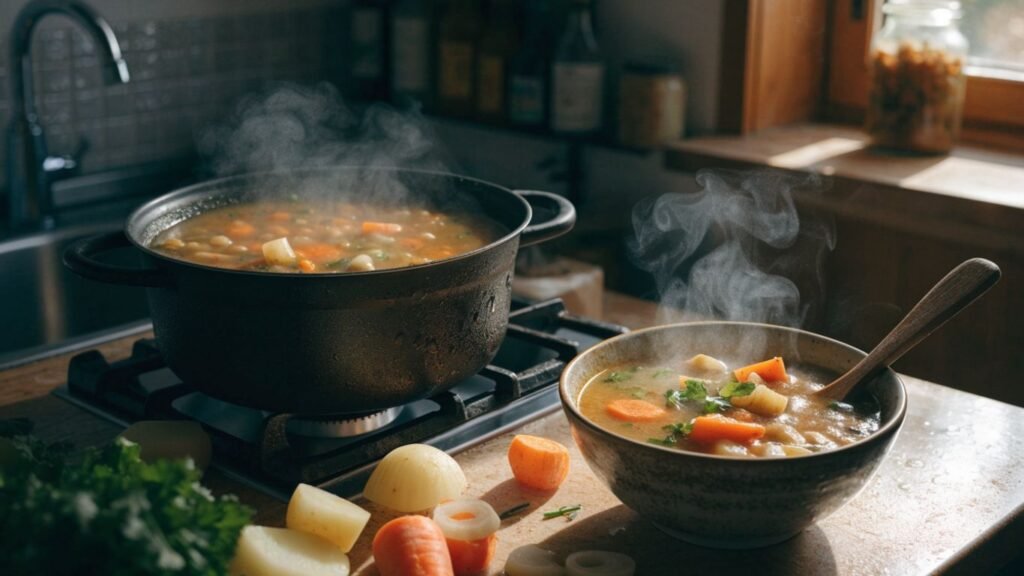
A good first soup is less about following a complicated recipe and more about choosing a style you enjoy, then tasting as you go. A few dependable ingredients and simple habits make a cold-weather pot easier to manage.
- Start with a short ingredient list and familiar cooking steps.
- Keep onions, carrots, broth, and a few pantry staples ready to use.
- Simmer gently and check tenderness as the soup cooks.
- Adjust thickness and seasoning a little at a time.
- Refrigerate leftovers promptly, and reheat them gently.
Choose a beginner-friendly soup
A first soup can be comforting without requiring a long list of ingredients or much kitchen experience. If you typed winter comfort soup recipes for beginners. best soup recipes for cold weather into a search box, you are probably looking for something cozy, straightforward, and forgiving. Chefworx brings together recipes and cooking tips, and a simple soup is a lovely place to start exploring both.
Start with a short ingredient list
Choose a recipe built around a few ingredients you recognize, such as vegetables, broth, beans, or potatoes. Fewer components make it easier to prep as you go and notice how each flavor changes the pot. Once you have made a simple soup once, adding a new spice or vegetable feels like a small experiment rather than a big leap.
Decide between broth-based, creamy, and hearty soups
Broth-based soups are light and easy to adjust, while creamy soups feel richer and often get their texture from blended vegetables or a little dairy. Hearty soups bring beans, lentils, potatoes, grains, or meat into the bowl, making them a satisfying one-pot meal. For inspiration, browse these vegetarian winter soup ideas and notice which style sounds most appealing.
Match the recipe to your available time
A recipe’s total time depends on chopping, cooking, and any simmering—not only the minutes listed beside the stove. When you are new to soup, pick a plan with a few clear stages and ingredients that cook at a similar pace. These simple time cues can help narrow the choice:
- For a quick meal, use canned beans and already-cooked chicken.
- For a relaxed afternoon, choose dried lentils or vegetables that need a longer simmer.
- For a busy evening, chop vegetables ahead and refrigerate them until cooking.
- If time is tight, skip recipes with several separate cooking steps.
That little bit of planning leaves more attention for the enjoyable part: smelling the onions soften and tasting the broth as it comes together.
Check for beginner-friendly cooking steps
Read the whole recipe before you start, and look for clear instructions about when to add each ingredient. A manageable recipe explains whether the pot should simmer gently, how to check for doneness, and when to season. If an instruction feels unclear, choose another recipe for your first attempt; there will be plenty of time to try more involved methods later.
Stock your kitchen for cold-weather soup
Soup does not call for specialty equipment or a pantry full of unusual ingredients. A few flexible staples let you make a satisfying pot even when the weather keeps you close to home. Chefworx covers recipes and cooking tips for readers exploring food, and a modest soup pantry is a useful bit of kitchen know-how to build on.
Keep versatile vegetables and aromatics on hand
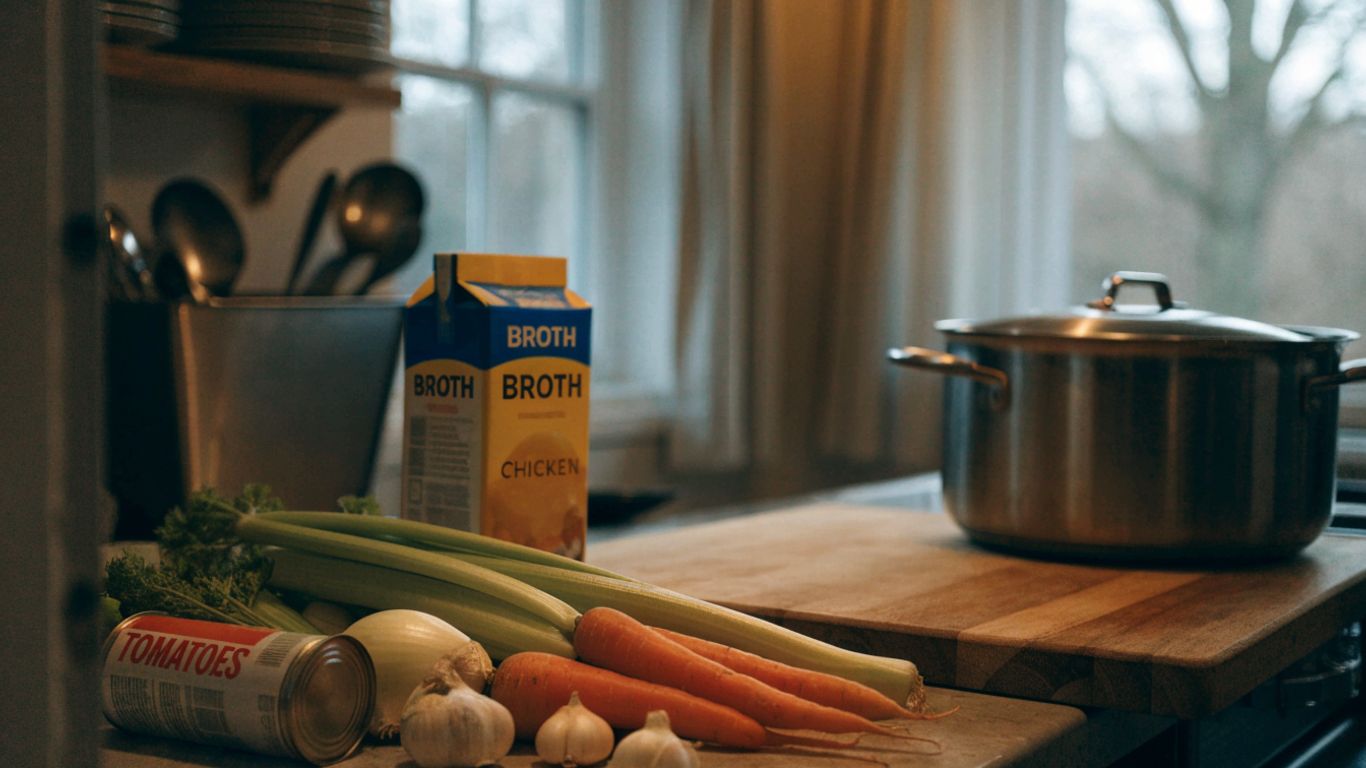
Onions, carrots, and celery form a familiar starting point for many soups, but you can work with what is fresh and available. Garlic, leeks, cabbage, and sturdy greens also add flavor in different ways. Store vegetables so they are easy to see and reach; when the ingredients are already on hand, deciding what to cook feels much simpler.
Choose broth, canned tomatoes, and other pantry staples
A few shelf-stable ingredients can turn vegetables into a fuller meal, and a small pantry need not be complicated. Use this quick guide to choose staples that suit the kind of soup you like to make.
| Staple | What it brings | Easy way to use it |
|---|---|---|
| Broth | A savory base | Add enough to cover vegetables and beans |
| Canned tomatoes | Tang and body | Stir into vegetable, bean, or lentil soup |
| Canned beans | Soft texture and substance | Rinse, drain, then add near the end |
| Lentils | A filling, earthy base | Simmer until tender, checking the package guidance |
These ingredients are flexible rather than mandatory. Keep the ones you enjoy, and let the recipe guide how much liquid and cooking time to use.
Pick a pot that gives ingredients room to simmer
A medium or large pot with a heavy bottom gives vegetables room to soften and makes it easier to stir without splashing. Choose one that leaves some space at the top once the broth and other ingredients are added. If the pot is crowded, the soup can be awkward to stir, especially when beans or greens go in near the end.
Use basic tools for chopping and measuring
A sharp knife, cutting board, measuring cup, and sturdy spoon are enough for most beginner soups. Try to cut vegetables into pieces of roughly similar size so they cook at a similar pace. Measuring the broth and seasoning at first can help you understand how the recipe is balanced; later, you can adjust amounts with more confidence.

Build flavor with a simple cooking method
A steady sequence makes soup easier to cook: soften the vegetables, add seasonings, pour in the liquid, and simmer until the ingredients are tender. No special technique is needed, just a little patience and a spoon for tasting. Chefworx covers cooking tips alongside recipes, and this gentle method is a practical foundation for learning by doing.
Soften onions, carrots, and celery without browning them
Warm a little oil over medium heat, then add chopped onion, carrot, and celery if your recipe calls for them. Stir occasionally until the onion looks softened and the other vegetables begin to lose their raw firmness. If the vegetables start to brown quickly, lower the heat; the goal is to soften them, not rush them.
Add spices and tomato paste at the right time
Dried spices often taste fuller when stirred into the softened vegetables for a short time before adding liquid. Tomato paste can be stirred in at this stage too, allowing it to coat the vegetables. Keep stirring and lower the heat if anything begins to stick, then add broth or water as directed by your recipe.
Simmer ingredients until tender, not mushy
Once the liquid is in the pot, bring it to a gentle simmer rather than a hard boil. Cooking times vary with the ingredients and the size of the pieces, so check for tenderness as you go. Beans may need only to warm through, while firm vegetables or lentils need more time; a spoonful tasted carefully tells you more than the clock alone.
Taste and adjust salt as the soup cooks
Broths and canned ingredients can vary in saltiness, so it helps to season gradually and taste again near the end. The key is small adjustments, frequent tasting: add a pinch, stir, and give the flavors a moment to settle before deciding whether the soup needs more. Freshly ground pepper or a little dried herb can also round things out without making the soup taste simply salty.
Make satisfying soups with approachable ingredients
The best soup recipes for cold weather do not have to rely on a long shopping list. Beans, lentils, root vegetables, and familiar proteins can each make a pot feel generous and warming. For more ideas to save for a chilly evening, explore this fall and winter soup collection and look for combinations that suit your pantry.
Turn beans and lentils into filling meals
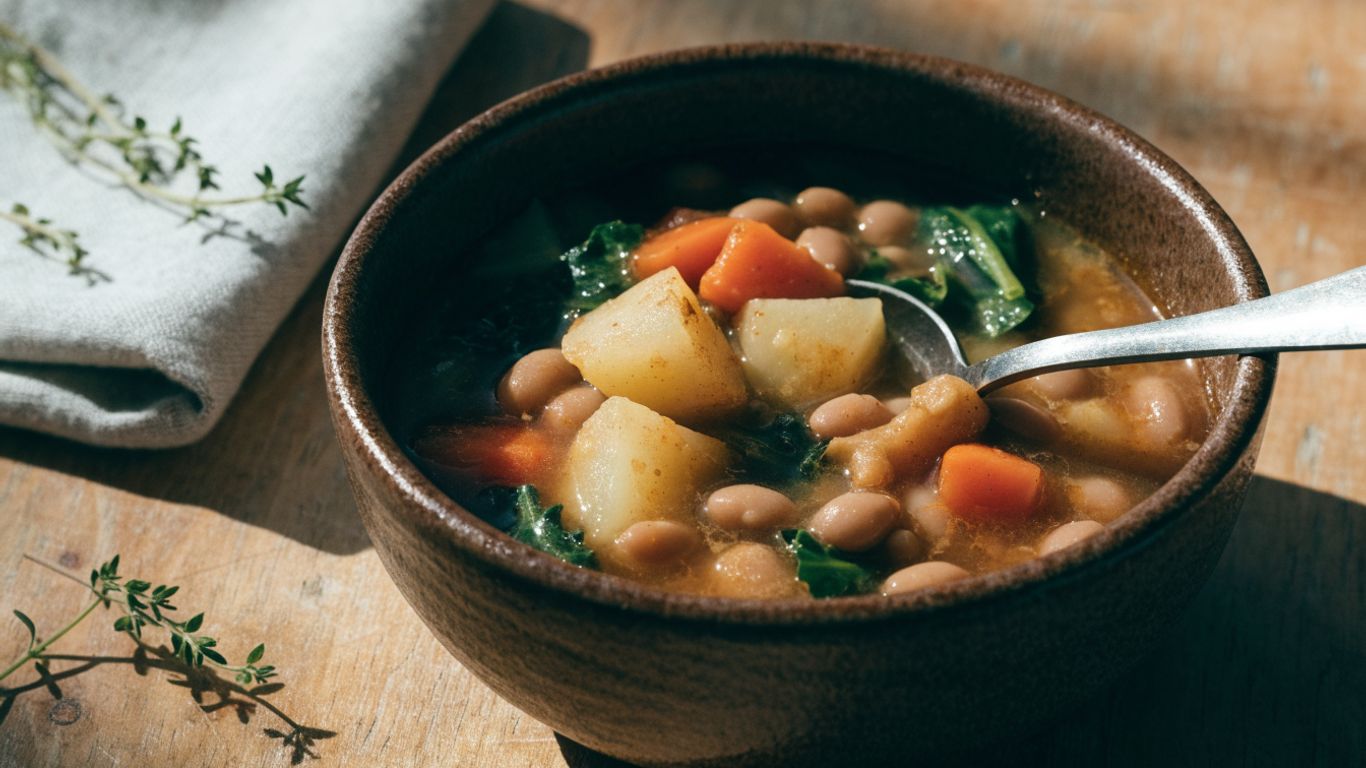
Beans add soft, creamy bites, while lentils bring an earthy flavor and cook into a tender, substantial base. Canned beans are especially easy to use: rinse and drain them, then add them late enough to warm through without breaking apart. Lentils usually need more simmering, so follow the recipe’s timing and check that they are tender before serving.
Use potatoes and root vegetables for a cozy texture
Potatoes, parsnips, and other root vegetables become tender and mellow as they simmer. Cut them into even pieces so they cook at a similar pace, and keep an eye on them toward the end to prevent them from falling apart. For a thicker bowl, mash a few pieces against the side of the pot and stir them back in.
Add chicken or sausage for protein
Cooked chicken can be stirred into soup near the end so it warms without turning dry. If using raw chicken or sausage, follow a recipe that gives clear cooking instructions and make sure the meat is cooked through before serving. A small amount can add plenty of savory flavor, especially when paired with beans or vegetables.
Make a simple creamy soup without complicated techniques
You can make a soup feel creamy without a complicated sauce or special equipment. Blend part of a cooked vegetable soup, then stir it back into the pot; the remaining pieces keep the texture interesting. If using a countertop blender, work in small batches and let hot soup vent safely according to the blender’s instructions.
Adjust soup texture and flavor
A soup can change quite a bit between the first taste and the last. Vegetables release liquid, beans soften, and the broth takes on more flavor as everything simmers. Make adjustments in small steps, so you can steer the pot toward the texture and balance you enjoy.
Thicken soup by blending some of the ingredients
For a thicker soup without adding flour, remove a cup or two of the cooked vegetables and broth, blend them, and stir the mixture back in. You can also mash a few beans or potatoes directly in the pot. Start with a small portion, taste the result, and repeat only if you want a smoother or thicker finish.
Brighten rich flavors with herbs or a splash of citrus
If a rich soup tastes a little heavy, fresh herbs or a small squeeze of lemon can make it feel livelier. Add delicate herbs near serving time so their aroma stays fresh, and use citrus sparingly at first. Taste after each addition; a little brightness can sharpen the flavors without taking over the bowl.
Balance a soup that tastes too salty, bland, or thick
If the soup is too salty, add unsalted broth or water a little at a time and taste again. A bland pot may need more salt, pepper, herbs, or a touch of acid, depending on its flavor. If it is too thick, loosen it gradually with broth or water, then let it warm through before serving.
Add greens and delicate ingredients near the end
Tender greens, fresh herbs, cooked noodles, and other delicate additions need less time than root vegetables or dried lentils. Stir them in close to the end and cook just until warmed or wilted. This helps preserve their color and texture, and keeps them from disappearing into the broth.
Store, reheat, and customize leftovers
A pot of soup often makes more than one meal, which is part of its appeal on cold days. Handle leftovers promptly, store them in portions that are easy to use, and reheat only what you plan to eat. A little extra broth or a new topping can make yesterday’s bowl feel fresh again.
Cool and refrigerate soup safely
Transfer leftover soup into shallow containers so it cools more quickly, and refrigerate it within two hours of cooking. Keep the containers covered and use refrigerated soup within three to four days. If you made a large batch, divide it into smaller portions rather than leaving the full pot to cool on the counter.
Freeze soups with ingredients that hold up well
Bean, lentil, and vegetable soups generally freeze well, though potatoes and pasta may soften after thawing. Cool the soup, portion it into freezer-safe containers, and leave a little space for expansion. Label each container with its contents and date so you can choose a meal easily later.

Reheat gently to preserve texture
Warm soup over medium-low heat on the stove, stirring now and then, until it is hot throughout. If it has thickened in the refrigerator, add a splash of broth or water to loosen it. Reheat only the portion you need, especially when the pot contains pasta or tender vegetables that can soften further with repeated heating.
Adapt leftovers with grains, toppings, or extra broth
Leftover soup can become a slightly different meal with a spoonful of cooked rice or another grain, a handful of greens, or a sprinkle of herbs. Add broth if the soup has become too concentrated, and taste again before serving. A warm roll or a small topping of grated cheese can also make the bowl feel complete.
Conclusion
A comfortable winter soup starts with ingredients you know, a gentle simmer, and enough time to taste and adjust. Choose one simple recipe, make it your own with the vegetables or pantry staples you have, and save a portion for another cold day.
Frequently Asked Questions
What is the easiest soup for a beginner to make?
A simple vegetable and bean soup is a friendly place to start because canned beans, broth, and chopped vegetables are easy to handle. Choose a recipe with clear steps and a short ingredient list.
What vegetables are good in winter soup?
Onions, carrots, celery, potatoes, parsnips, cabbage, and sturdy greens all work well. Use vegetables you enjoy, and cut them into similar-sized pieces so they cook evenly.
How do I make soup taste better?
Taste as the soup cooks and adjust salt gradually. Depending on the flavor, pepper, herbs, garlic, or a small splash of citrus can bring the ingredients into better balance.
How can I thicken soup without cream?
Blend or mash some of the cooked vegetables or beans and stir them back into the pot. This thickens the broth while keeping the ingredient list simple.
Should I cover soup while it simmers?
A partially covered pot helps reduce splattering while allowing some steam to escape. Follow the recipe’s instructions, and check the liquid level if the soup simmers for a long time.
How long can soup stay in the refrigerator?
Refrigerate soup promptly in covered containers and use it within three to four days. Divide a large batch into shallow containers to help it cool more quickly.
Can I freeze homemade soup?
Many bean, lentil, and vegetable soups freeze well. Pasta and potatoes may change texture after thawing, so you can freeze the soup before adding them and cook or stir them in later.