
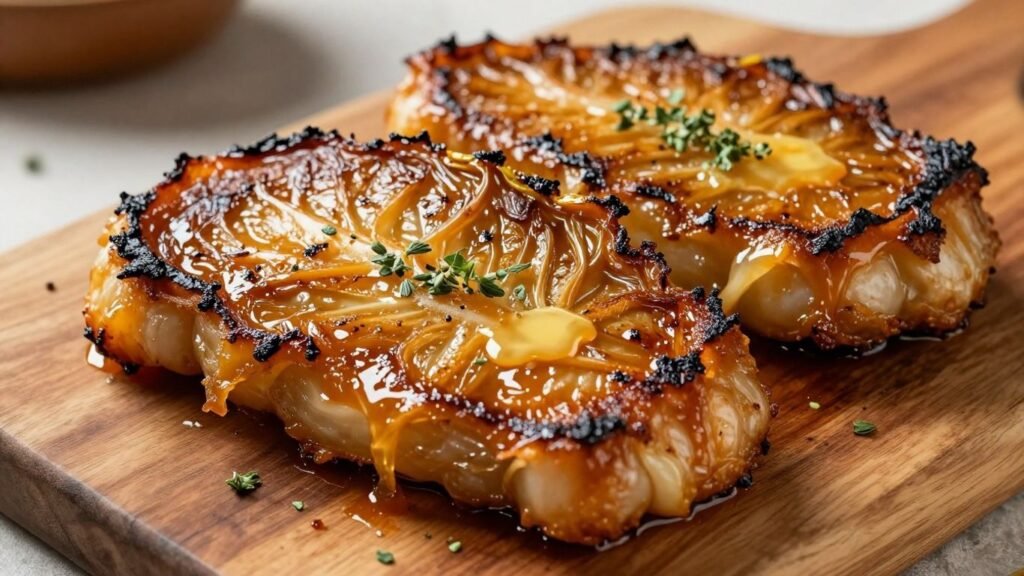
So, you’ve decided to give caramelized cabbage steaks a shot, huh? Awesome choice! This dish is a fantastic way to make vegetables the star of your meal. Forget boring side dishes; we’re talking about something hearty, flavorful, and seriously satisfying. Whether you’re a seasoned cook or just starting out, this guide will walk you through everything you need to know to get those perfect, golden-brown cabbage steaks on your plate. Let’s get cooking!
Key Takeaways
- Pick a good, firm cabbage head for the best results. Green or red cabbage works well.
- Cut your cabbage into thick, even slices, about 1-inch thick, and remember to remove the tough core so it cooks evenly.
- High heat is your friend for caramelization, but watch it closely to avoid burning.
- Don’t be afraid to experiment with different spices and fats to find your favorite flavor.
- Serve your cabbage steaks with tasty sauces, crunchy toppings, or alongside your favorite protein for a complete meal.
Selecting The Perfect Cabbage
Choosing The Right Variety
When you’re aiming for those beautiful, caramelized cabbage steaks, the type of cabbage you pick really matters. While most cabbages will work, some are definitely better suited for this job. Your best bet is usually a firm, dense head like green cabbage or savoy cabbage. Green cabbage is the classic choice – it’s sturdy, holds its shape well when sliced, and gets wonderfully tender and sweet when roasted. Savoy cabbage, with its crinkly leaves, is a bit more delicate but offers a fantastic flavor and a slightly softer texture. Red cabbage is also an option, though it can sometimes be a bit tougher and might bleed its color during cooking, which isn’t necessarily a bad thing depending on the look you’re going for.
Avoid cabbages that feel too loose or have a lot of space between the leaves. These tend to be older and won’t give you those nice, solid steaks. Think of it like picking a good melon – you want something that feels substantial and heavy for its size.
Assessing Freshness And Quality
Picking a good cabbage head is pretty straightforward once you know what to look for. First off, give it a good look-over. You want a head that’s tightly packed with crisp, unblemished leaves. Any yellowing, wilting, or brown spots are a sign that the cabbage isn’t as fresh as it could be. Give it a gentle squeeze; it should feel firm and solid, not soft or spongy. A heavy head for its size usually means it’s full of moisture and will cook up nicely.
Don’t be afraid to peel back a layer or two of the outer leaves if they look a bit sad. Sometimes the inner leaves are perfectly fine and fresh. Just make sure the core is intact and the leaves are tightly bound.
Here’s a quick checklist:
- Firmness: Squeeze the head gently. It should feel solid.
- Color: Look for vibrant, deep green (or purple, if using red cabbage) leaves.
- Leaf Condition: Leaves should be crisp, not wilted or bruised.
- Weight: A heavier head often means more moisture and better flavor.
- Smell: It should smell fresh and clean, not sour or off.
Preparing Your Cabbage Steaks
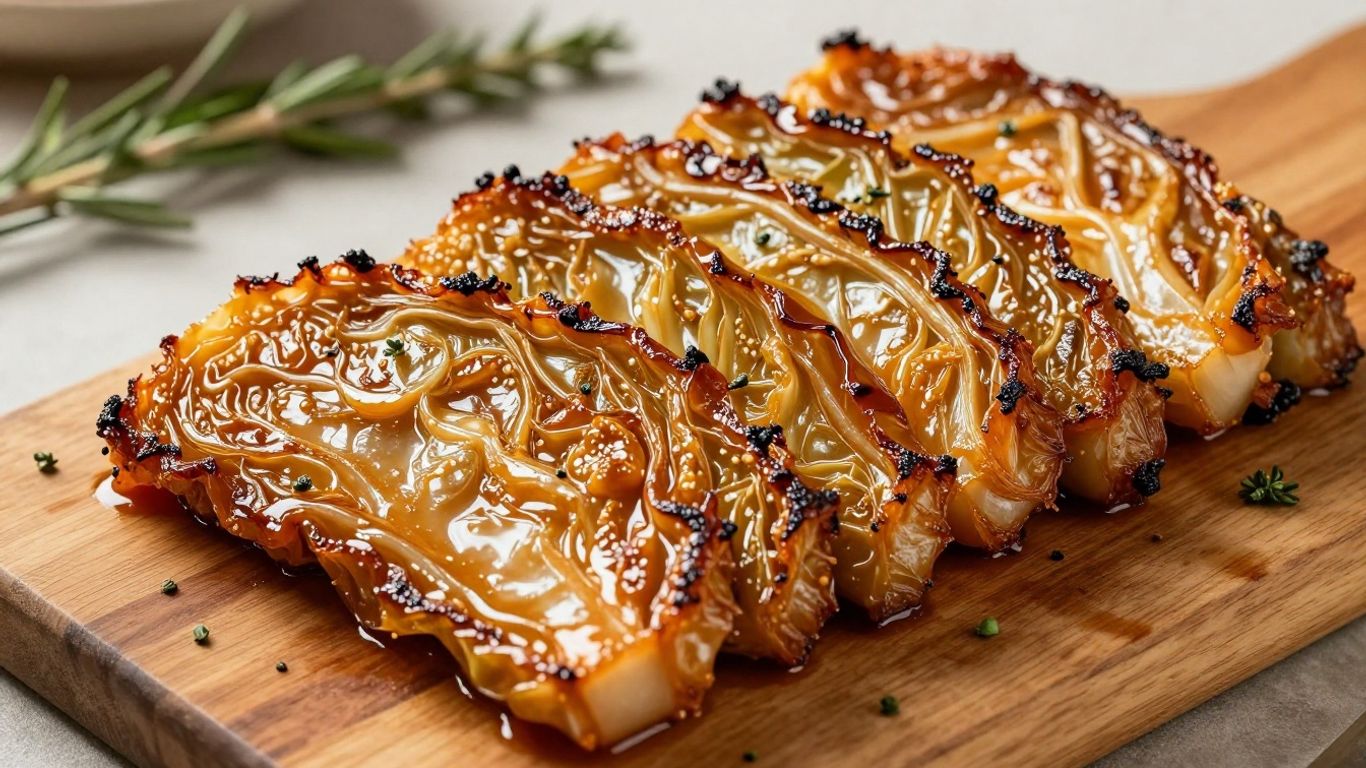
Alright, so you’ve picked out a beautiful head of cabbage, and now it’s time to get it ready for its starring role. This part is pretty straightforward, but a little care goes a long way in making sure those steaks cook up perfectly.
Washing And Trimming The Head
First things first, give that cabbage a good rinse under cool water. Think of it like washing any other vegetable you’d buy from the store. You want to get rid of any dirt or debris that might have hitched a ride from the farm. After rinsing, peel away the outermost leaves. Sometimes these can be a bit bruised or just not as fresh-looking, and tossing them is a good move. This simple step ensures a clean start for your delicious meal.
Achieving Even Slices
This is where you turn a round head of cabbage into those impressive “steaks.” You’ll want to cut the cabbage in half, right through the core. Then, take each half and cut it into thick slices, about 1 to 1.5 inches thick. The goal here is to get slices that are roughly the same size. This helps them cook evenly, so you don’t end up with some burnt bits and some undercooked sections. It might take a little practice to get them perfectly uniform, but don’t stress too much about it. A little variation is totally fine.
Removing The Core For Even Cooking
Now, about that tough core in the center of each slice. It’s pretty woody and doesn’t soften up much during cooking. To get the best results, you’ll want to remove it. You can do this by carefully cutting a triangle shape out of the thickest part of the core on each steak. A sharp knife is your friend here. Just make a couple of angled cuts to create a wedge, and then you can usually just pull the core piece out. This little bit of prep work really helps the cabbage steaks cook more evenly and makes them easier to eat later on.
Mastering The Caramelization Process
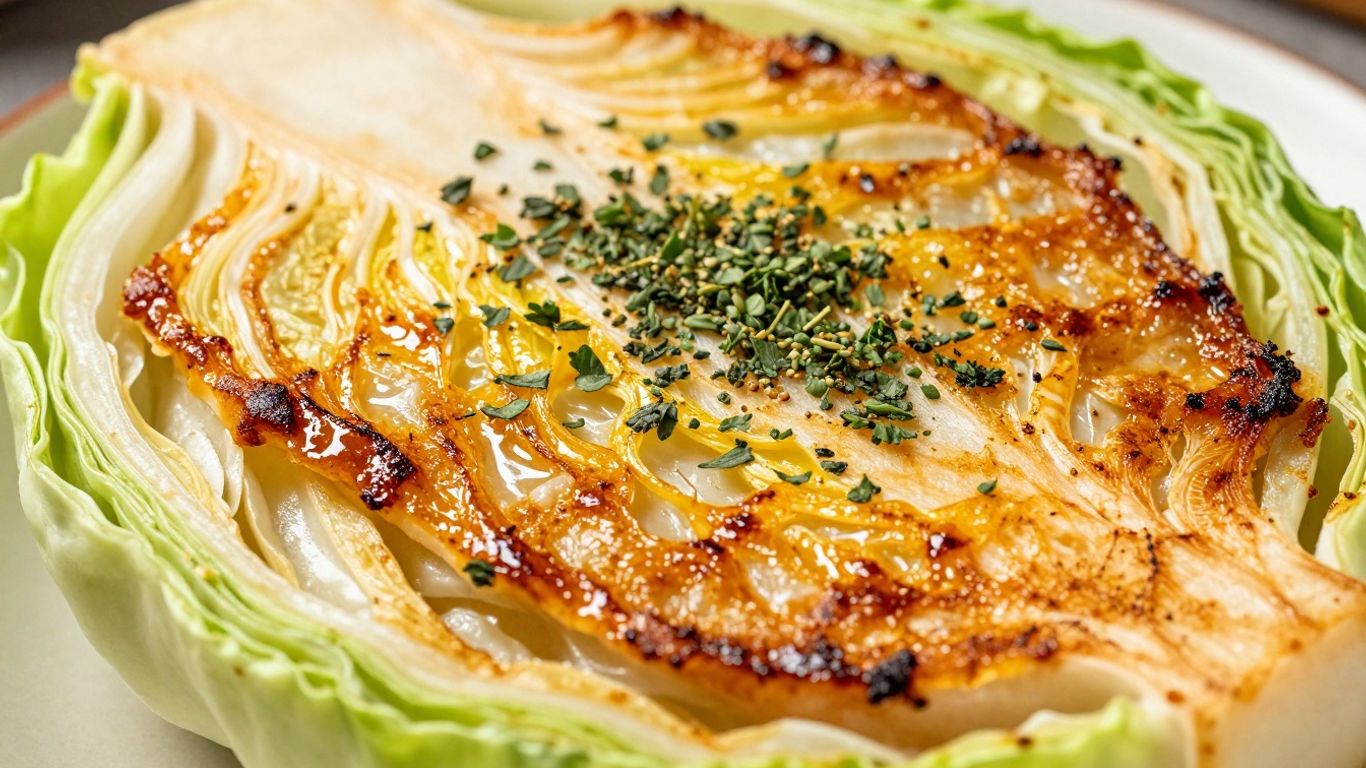
Alright, so you’ve got your cabbage steaks prepped and ready to go. Now comes the part that really makes these things sing: caramelization. This is where the magic happens, transforming humble cabbage into something truly special. It’s all about coaxing out that natural sweetness and getting those lovely crispy edges.
The Role Of High Heat
Think of high heat as your best friend here. It’s what gets the sugars in the cabbage to start browning. When you crank up the heat, whether you’re pan-searing, roasting, or grilling, you’re creating those delicious Maillard reactions. This isn’t just about color; it’s about developing deep, complex flavors. Too low a heat, and you’ll just end up steaming the cabbage, which is, let’s be honest, a bit of a letdown. You want that sizzle and that quick browning.
Achieving Golden-Brown Edges
Getting those perfect golden-brown edges is the goal. It means you’re getting good contact with the hot pan or oven surface. For pan-searing, this means not overcrowding the pan – give those steaks some space! For roasting, make sure your oven is properly preheated and consider using a hot pan or cast iron skillet to start. You’re looking for a nice sear on the outside while the inside gets tender. It’s a bit of a balancing act, but totally worth it.
Preventing Soggy Cabbage
Nobody wants soggy cabbage steaks. The biggest culprit? Too much moisture. This can happen if you don’t pat your cabbage dry enough before cooking, or if you’re cooking in a pan that’s too crowded, leading to steaming. Another trick is to make sure your cooking surface is hot enough from the get-go. If you’re roasting, avoid piling them up; lay them in a single layer. A little bit of oil helps too, creating a barrier and promoting crisping.
Here’s a quick rundown on what to aim for:
- Moisture Management: Pat those steaks dry before they hit the heat.
- Heat Control: Use high heat initially for searing, then adjust as needed.
- Spacing: Give your cabbage steaks room to breathe and brown.
- Fat is Your Friend: A little oil or butter helps with browning and prevents sticking.

The key to great caramelization is patience mixed with a bit of boldness. Don’t be afraid of the heat, but also watch closely so you don’t burn them. It’s a dance between getting that deep color and keeping the cabbage tender.
The goal is a tender interior with beautifully browned, slightly crispy edges.
Flavor Enhancements And Seasonings
Alright, so you’ve got your cabbage steaks prepped and ready to go. Now comes the fun part – making them taste amazing! It’s not just about the cabbage itself; it’s about what you do with it. Think of seasonings as the personality you’re giving your dish.
Essential Seasoning Blends
Sometimes, keeping it simple is best. A good salt and pepper combo is a classic for a reason, but you can build on that. A little garlic powder and onion powder can go a long way. For a bit of warmth, a pinch of smoked paprika adds a lovely color and a subtle smoky note without any actual smoking.
Here are a few basic blends to get you started:
- Salt & Pepper: The absolute basics. Use coarse sea salt and freshly ground black pepper.
- Garlic Herb: Mix salt, pepper, garlic powder, and dried herbs like thyme or rosemary.
- Smoky Paprika: Salt, pepper, and a generous amount of smoked paprika.
- Spicy Kick: Salt, pepper, garlic powder, and a pinch of cayenne pepper or red pepper flakes.
Exploring Aromatic Rubs
Rubbing your cabbage steaks before cooking is a fantastic way to layer in flavor. You can buy pre-made spice rubs, but making your own is pretty easy and lets you control the ingredients. Think about what flavors you like. Do you want something earthy? Maybe something a little sweet and spicy? A rub is basically a mix of dry spices that you press onto the surface of the cabbage.
Consider these ideas for rubs:
- Mediterranean: Dried oregano, thyme, rosemary, garlic powder, salt, and pepper.
- Curry Inspired: Curry powder, cumin, coriander, turmeric, a pinch of cinnamon, salt, and pepper.
- Southwestern: Chili powder, cumin, smoked paprika, garlic powder, onion powder, salt, and a tiny bit of cayenne.
The Magic Of Fat For Flavor
Don’t forget about fat! It’s not just for cooking the cabbage; it carries flavor. When you’re seasoning, a little bit of oil or melted butter brushed onto the cabbage before applying your rub or seasonings helps everything stick and also contributes to that beautiful caramelization we’re aiming for. Olive oil is a great choice, but melted butter adds a richness that’s hard to beat. For a real treat, try a flavored oil, like garlic-infused olive oil or a chili oil, for an extra punch.
Fat helps the seasonings adhere to the cabbage and also aids in creating those desirable crispy, browned edges during cooking. It’s a key player in developing a rich flavor profile.
Elevating Your Cabbage Steaks
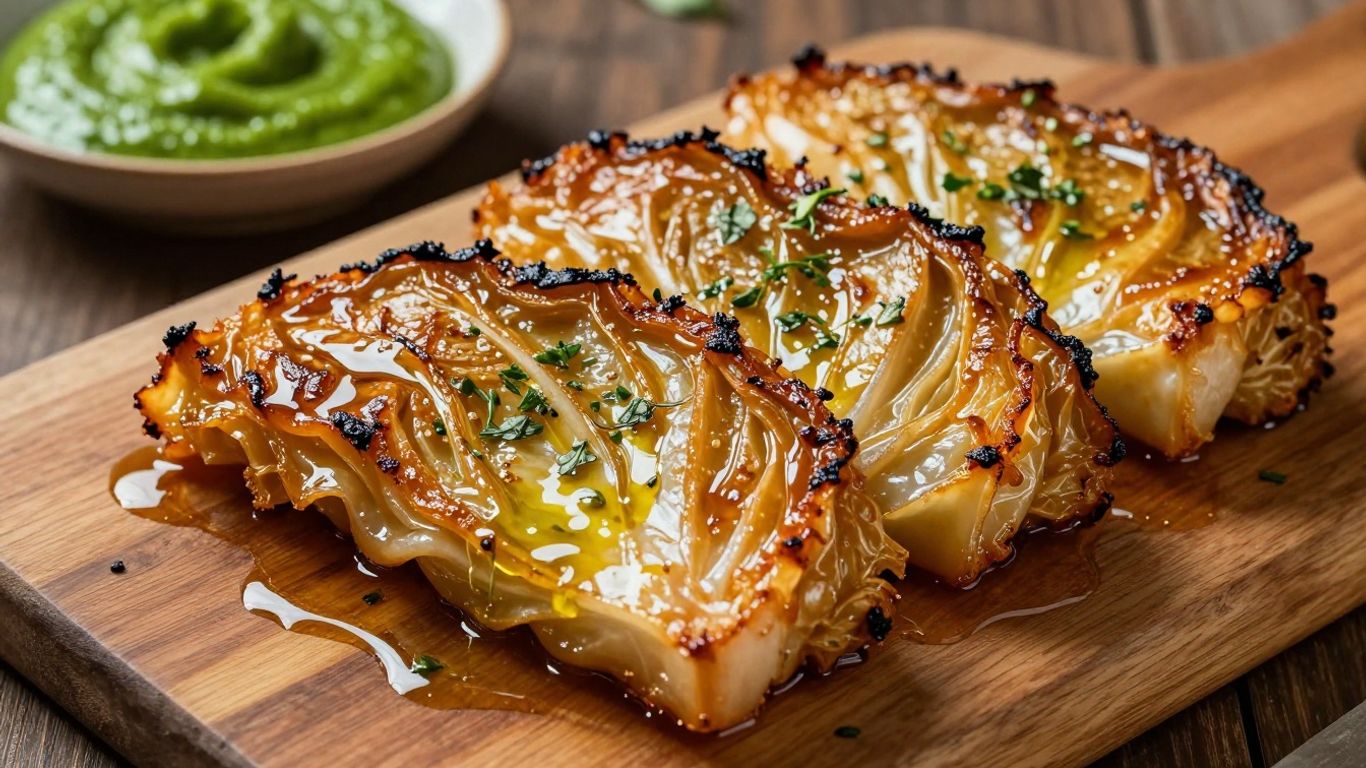
So, you’ve got your perfectly caramelized cabbage steaks. Awesome! But what if you want to take them from ‘really good’ to ‘absolutely unforgettable’? That’s where the fun really begins. It’s all about adding those little touches that make a big difference.
Complementary Sauces And Dressings
Sauce is your best friend here. A good sauce can add moisture, a pop of flavor, and tie the whole dish together. Think about what you’re going for. A creamy, tangy sauce like a lemon-dill aioli works wonders if you want something bright and fresh. Or maybe you’re feeling something a bit richer? A balsamic glaze, reduced down until it’s syrupy, adds a sweet and sour punch that’s just divine. And don’t forget about classic vinaigrettes – a simple Dijon mustard and olive oil mix, maybe with a touch of honey or maple syrup, is always a winner. It’s about finding that balance that complements the sweet, savory notes of the cabbage without overpowering it.
Creative Toppings For Texture
Texture is key to making any dish interesting. Cabbage steaks are soft and tender, so adding something with a bit of crunch is a game-changer. Crumbled crispy bacon is an obvious, but always delicious, choice. Toasted nuts like walnuts or pecans add a nutty depth and satisfying crunch. Even something as simple as toasted breadcrumbs, maybe seasoned with garlic and herbs, can add a fantastic textural contrast. For a bit of freshness and color, a sprinkle of chopped fresh herbs like parsley or chives is always a good idea. It’s these little additions that make your plate look and taste more exciting.
Pairing With Proteins And Grains
While cabbage steaks are fantastic on their own, they also play well with others. If you’re serving this as a main meal, think about what you’re pairing it with. Grilled chicken or a pan-seared fish would be lovely. For a heartier meal, consider pairing them with some slow-cooked pulled pork or even a juicy steak. On the grain side, fluffy quinoa, a hearty farro, or even some creamy polenta can make this a complete and satisfying meal. The goal is to create a balanced plate where the cabbage steaks are the star, but they have great supporting actors.
Don’t be afraid to experiment with different flavor profiles. What works for one meal might not work for another, and that’s okay! Taste as you go and adjust your seasonings and toppings until you’re happy with the result. It’s your kitchen, after all!
How To Cook Caramelized Cabbage Steaks For A Vegetable Forward Meal

Alright, so you’ve got your cabbage prepped and ready to go. Now comes the fun part: actually cooking it! There are a few ways to get those beautiful, caramelized edges, and each one brings something a little different to the table. Whether you’re short on time or looking to add a smoky flavor, there’s a method for you.
Oven Roasting Techniques
This is probably the most straightforward method, and it gives you that lovely, tender interior with nicely browned edges. Preheat your oven to a pretty high temperature, around 400°F (200°C). Toss your cabbage steaks with a good amount of olive oil or melted butter, salt, pepper, and any other seasonings you like. Spread them out on a baking sheet – and this is important, don’t crowd the pan! Give them space so they can roast, not steam. Flip them halfway through cooking. They usually take about 20-30 minutes, depending on how thick they are and how soft you like your cabbage.
Pan-Searing For Quick Results
If you’re in a hurry, pan-searing is your best bet. Get a heavy-bottomed skillet really hot over medium-high heat. Add a tablespoon or two of oil or butter. Carefully place your cabbage steaks in the hot pan. You’ll want to sear them for about 3-5 minutes per side, until they get a nice, deep brown crust. This method is great for getting that intense caramelization quickly. You might need to lower the heat a bit if they start to burn before they’re tender. You can always add a splash of water or broth to the pan and cover it for a few minutes at the end to help them steam and soften up if needed.
Grilling For Smoky Depth
For a real flavor boost, fire up the grill. This is where you get that delicious smoky char. Preheat your grill to medium-high heat. Brush your cabbage steaks with oil and season them well. Place them on the grill grates and cook for about 4-6 minutes per side. Keep an eye on them, as grill temperatures can vary. The goal is to get those grill marks and a tender, slightly smoky cabbage. This method is fantastic for summer cookouts or anytime you want that outdoor-cooked flavor.
Here’s a quick look at the cooking times:
| Method | Approx. Cook Time | Temperature |
|---|---|---|
| Oven Roasting | 20-30 minutes | 400°F (200°C) |
| Pan-Searing | 10-15 minutes | Medium-High Heat |
| Grilling | 8-12 minutes | Medium-High Heat |
Remember, the thickness of your cabbage steaks will affect the cooking time. Thicker steaks will need a bit longer to become tender all the way through, no matter which cooking method you choose. Don’t be afraid to test for tenderness with a fork.
Enjoy Your Delicious Cabbage Creation!
So there you have it! Caramelized cabbage steaks are more than just a side dish; they’re a hearty, flavorful main event that proves vegetables can be truly exciting. Whether you’re a seasoned cook or just starting out, this recipe is pretty straightforward and delivers big on taste. Don’t be afraid to play around with seasonings or serving ideas. This dish is super flexible and can be paired with almost anything. Give it a try and see how simple, humble cabbage can become the star of your next meal. Happy cooking!
Frequently Asked Questions
What kind of cabbage is best for making steaks?
Green or white cabbage works great for making steaks. Just make sure to pick a head that feels heavy for its size and looks fresh, without any bruises or wilted leaves.
How do I cut the cabbage so it doesn’t fall apart?
To get nice, thick steaks, cut the cabbage in half, then remove the tough core from each half. You can do this by making a triangle cut into the top of the core and wiggling it out. Then, cut the halves into wedges. Don’t cut them too thin, or they might get mushy.
What’s the secret to getting crispy, browned edges?
High heat is your friend here! Make sure your pan or oven is nice and hot. Giving the cabbage steaks enough space on the baking sheet or in the pan also helps them get a good sear instead of steaming.
Can I add other flavors to my cabbage steaks?
Absolutely! You can rub them with simple salt and pepper, or get creative with spice blends, garlic powder, onion powder, or even paprika. A little bit of oil or butter helps the seasonings stick and adds richness.
What can I serve with caramelized cabbage steaks?
These steaks are super versatile! They go well with grilled chicken, fish, or steak. You can also serve them alongside grains like quinoa or rice for a hearty vegetarian meal.
How should I store leftover cabbage steaks?
Leftovers are best stored in an airtight container in the fridge for up to 3 days. To reheat, you can pop them in the oven or an air fryer to help them crisp up again, but they might not be as firm as when they were freshly cooked.
