
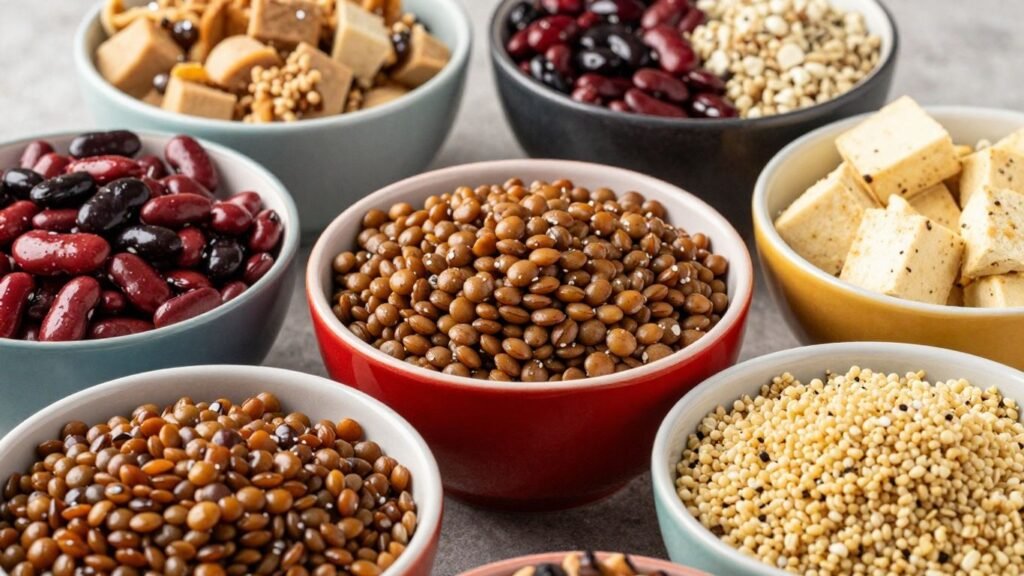
So, you’re looking to pack on muscle but want to keep meat off your plate? Totally doable! Building muscle on a plant-based diet is absolutely possible, and it doesn’t have to be bland or boring. The key is knowing which recipes pack the most protein punch. Forget the old ideas that you need meat to get strong; we’ve rounded up some seriously tasty, meat-free options that will help you reach your fitness goals. Let’s get those gains without the beef!
Key Takeaways
- Plant-based diets can absolutely support muscle gain, provided you focus on protein-rich recipes.
- Tofu, tempeh, and edamame are versatile soy-based ingredients that offer substantial protein.
- Grains like quinoa and pseudocereals such as amaranth are excellent sources of plant-based protein.
- Combining various plant protein sources throughout the day ensures you get all essential amino acids.
- These recipes focus on making high-protein, meat-free meals both easy and delicious.
1. Spicy Fried “Chicken” Sandwich
Craving that classic fried chicken sandwich experience but want to keep it plant-based? This recipe is for you. We’re using tofu, but not just any tofu. The trick here is to freeze and then thaw the tofu before cooking. This process changes its texture, making it much more fibrous and meat-like, which is exactly what we want for a satisfying sandwich. After pressing out all the water, we coat it in a seasoned flour and cornmeal mixture for that essential crispy crunch.
The key to getting that perfect fried texture is the double-dip method. First, dredge the tofu in a seasoned flour mix, then dip it into a plant-based milk and hot sauce mixture, and finally, coat it again in the flour. This ensures a thick, crispy crust that holds up beautifully.
Here’s a quick rundown of what you’ll need:
- Extra-firm tofu (frozen and thawed)
- All-purpose flour
- Cornmeal
- Spices (paprika, garlic powder, onion powder, cayenne pepper)
- Plant-based milk (like almond or soy)
- Hot sauce
- Burger buns
- Your favorite sandwich toppings (lettuce, pickles, vegan mayo)
Once your tofu cutlets are fried to golden perfection, assemble your sandwich. Toast your buns, slather on some vegan mayo, add your crispy tofu, and pile on your favorite toppings. It’s a hearty, flavorful meal that proves you don’t need meat to enjoy a fantastic sandwich. This recipe offers a plant-based version of the popular fast-food chicken sandwich, creating a delicious vegan alternative. Check out this recipe for a similar take.
This sandwich is surprisingly filling and can easily satisfy a serious craving. The combination of the spicy, crispy tofu with the cool crunch of lettuce and pickles is just spot on. It’s become a weekend favorite in my house, and even my meat-eating friends are asking for the recipe.
2. Buffalo Ranch Chickpea Wraps
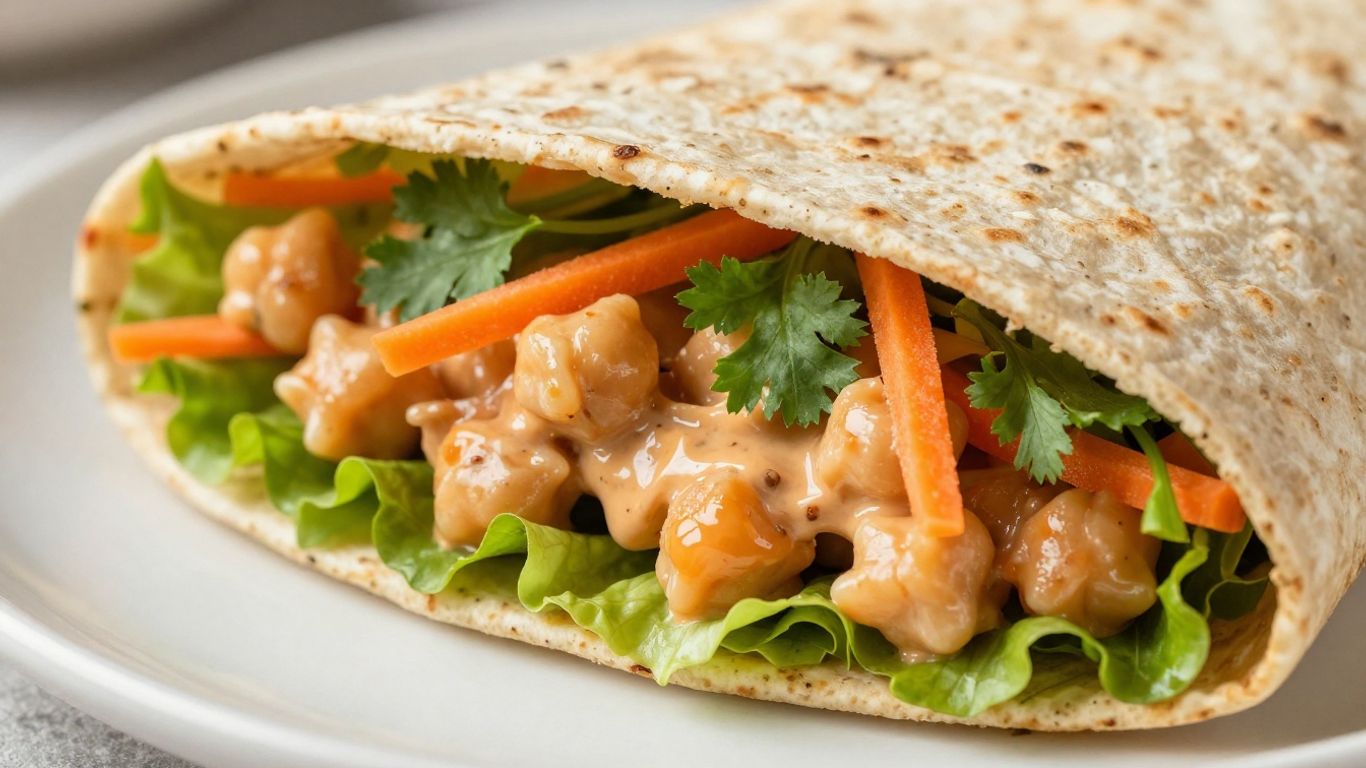
These wraps are a total game-changer when you need a quick, protein-packed lunch or dinner. Forget boring salads; we’re talking about something with some serious flavor here. The star of the show is the humble chickpea, mashed up and mixed with a zesty buffalo ranch dressing. It gives you that satisfying, hearty texture without any meat.
Seriously, these wraps are so easy to throw together, you’ll wonder why you haven’t made them before. They’re perfect for those days when you’re short on time but still want a meal that fuels your muscles.
Here’s what you’ll need to make these delicious wraps:
- 1 can (15 oz) chickpeas, rinsed and drained
- 1/4 cup plain Greek yogurt (or vegan alternative)
- 2 tablespoons buffalo sauce (adjust to your spice preference)
- 1 tablespoon ranch seasoning mix (or homemade blend)
- 1/4 cup finely chopped celery
- 2-4 whole wheat tortillas or wraps
- Optional toppings: shredded lettuce, diced tomatoes, red onion, avocado
To assemble:
- In a medium bowl, mash the chickpeas with a fork or potato masher until mostly broken down but still a little chunky.
- Add the Greek yogurt, buffalo sauce, ranch seasoning, and celery. Mix everything together until well combined.
- Spoon the chickpea mixture into the center of each tortilla.
- Add any of your favorite toppings.
- Fold in the sides of the tortilla and then roll it up tightly.
This buffalo ranch chickpea filling is incredibly versatile. If wraps aren’t your thing, you can easily serve this mixture on top of a salad, stuffed into pita bread, or even as a dip with crackers. It’s all about getting that protein boost in a way that tastes amazing.
3. Tofu Taco Bowls
Tofu Taco Bowls are my weeknight answer for protein on a meatless diet. They’re crazy simple: just crumble extra-firm tofu and toss it around in a skillet with your go-to taco seasoning. If you want it a bit crispier, let it sit untouched for a few minutes before stirring. Once that’s done, pile your taco tofu high over cooked quinoa or brown rice—both give you an extra protein punch compared to white rice.
Here’s how I throw them together:
- Sauté crumbled tofu with garlic, onion, and taco spices until toasty
- Add black beans or pinto beans for even more fullness
- Prep a simple base: quinoa, brown rice, or even farro
- Top with roasted corn, avocado, cherry tomatoes, and a good handful of lettuce
- Drizzle with chipotle crema or a quick lime-yogurt dressing
| Ingredient | Protein per serving (approx.) |
|---|---|
| Extra-firm tofu | 10g |
| Black beans | 7g |
| Quinoa | 4g |
| Avocado | 2g |
The best thing about tofu taco bowls is you can batch-prep everything and mix up the toppings every night. Fresh, filling, totally satisfying—honestly, I don’t even miss regular tacos.
Tofu is surprisingly hearty when you season it right—and it’s a great swap for ground meat in any taco bowl.
4. Sticky Coconut Milk Braised Tofu
This Sticky Coconut Milk Braised Tofu is a real winner when you’re looking for something hearty and satisfying. It’s got this amazing sweet and savory flavor profile that just coats everything perfectly. The tofu gets super tender, almost melting in your mouth, thanks to the slow braising in a rich coconut milk sauce. It’s a fantastic way to get your protein in without feeling like you’re missing out on anything. Plus, it’s pretty straightforward to make, even on a weeknight.
The key to this dish is letting the tofu simmer gently in the coconut milk mixture, allowing it to absorb all those delicious flavors. It’s not just about throwing ingredients together; it’s about patience and letting the magic happen.
Here’s a general idea of how it comes together:
- Prepare the Tofu: Start with extra-firm tofu. Pressing it well is important to get rid of excess water, which helps it soak up the sauce better. Then, cut it into cubes or slabs.
- Sear the Tofu: Briefly pan-fry the tofu pieces until they’re golden brown on a few sides. This gives them a nice texture and prevents them from falling apart in the sauce.
- Make the Braising Liquid: Whisk together coconut milk, soy sauce (or tamari for gluten-free), a touch of sweetener like maple syrup or agave, some garlic, ginger, and maybe a little chili for heat. A splash of lime juice can add a nice brightness too.
- Braise: Add the seared tofu to the sauce in a pan. Let it simmer gently, covered, for about 20-30 minutes. You want the tofu to get really soft and the sauce to thicken up nicely.
- Serve: This is great served over rice or quinoa, maybe with some steamed greens on the side. A sprinkle of sesame seeds or fresh cilantro on top adds a nice finishing touch.
This method transforms simple tofu into something truly special. The coconut milk creates a creamy, luscious sauce that clings to every piece, making it incredibly flavorful and satisfying. It’s a dish that proves plant-based eating can be incredibly delicious and filling.
5. Smashed Edamame Toast
Forget avocado toast for a minute, because we’ve got a new champion in town: Smashed Edamame Toast. This isn’t just a tasty breakfast or snack; it’s a serious protein booster, perfect for anyone looking to pack on muscle without meat. It comes together in a flash, usually under 10 minutes, making it ideal for those busy mornings when you still want something substantial.
This recipe is a fantastic way to start your day with a solid dose of plant-based protein. The base is a creamy, flavorful mash made from edamame, tahini, a bit of avocado for richness, garlic, and a kick from some chili. It’s blended until it’s chunky and delicious, then spread generously over your favorite toast. Multigrain or sprouted bread works best here, adding even more fiber and protein to the mix.
Here’s a breakdown of what makes this toast so good for muscle gain:
- Edamame: These little green beans are protein powerhouses, offering around 10 grams of protein per serving of the mash. They also bring fiber and other good stuff to the table.
- Tahini: Made from sesame seeds, tahini isn’t just for hummus. It adds a nutty depth and another few grams of protein per serving.
- Hemp Seeds: A sprinkle of these tiny seeds on top adds a significant protein boost, often around 5 grams per serving, plus healthy fats.
- Whole Grain Toast: Choosing a good quality, seeded or sprouted bread can add another 6-12 grams of protein per serving, depending on the brand.

When you combine all these elements, you’re looking at a breakfast that can easily hit 20-30 grams of protein, setting you up for a productive day and supporting muscle repair and growth. It’s also super customizable. Feel free to add a dash of sriracha for heat, some pickled onions for tang, or even some microgreens for extra nutrients. It’s a versatile base that’s hard to mess up.
The beauty of this smashed edamame spread is its versatility. It keeps well in the fridge for about a week, so you can make a batch on Sunday and have a protein-packed breakfast ready to go every morning. Just toast your bread, spread it on, and top with your favorite additions. It’s a simple yet effective way to ensure you’re getting quality protein even when you’re short on time.
6. Quinoa and Edamame Salad
This Quinoa and Edamame Salad is a fantastic option when you’re looking for a plant-based meal that packs a serious protein punch. It’s not just about the protein, though; the combination of textures and flavors makes it really satisfying. You get the fluffy quinoa, the slightly chewy edamame, and then some crunchy bits from pepitas, all brought together with a flavorful dressing.
It’s a complete protein powerhouse, meaning it has all the essential amino acids your body needs. This salad is pretty versatile too. You can serve it warm or cold, making it great for meal prep or a quick weeknight dinner. Plus, it’s easy to customize with whatever veggies you have on hand.
Here’s a breakdown of what makes this salad so good:
- Quinoa: A fantastic grain that’s also a complete protein source. It cooks up light and fluffy.
- Edamame: These little green beans are loaded with protein and fiber, adding a nice bite.
- Pepitas (Pumpkin Seeds): For that essential crunch and a boost of healthy fats and protein.
- Flavor Boosters: Things like garlic, lemon, and spices add a ton of taste without a lot of fuss.
Making this salad is pretty straightforward. You’ll cook the quinoa, then toss it with the edamame and other ingredients. A simple dressing ties it all together. It’s the kind of meal that feels healthy but doesn’t skimp on flavor or staying power.
This salad is a great way to get a good amount of protein without any meat. It’s a solid choice for anyone trying to build muscle or just eat more plant-based meals. You can easily add other ingredients like shredded carrots, bell peppers, or even some avocado for extra creaminess.
7. Teriyaki Tempeh
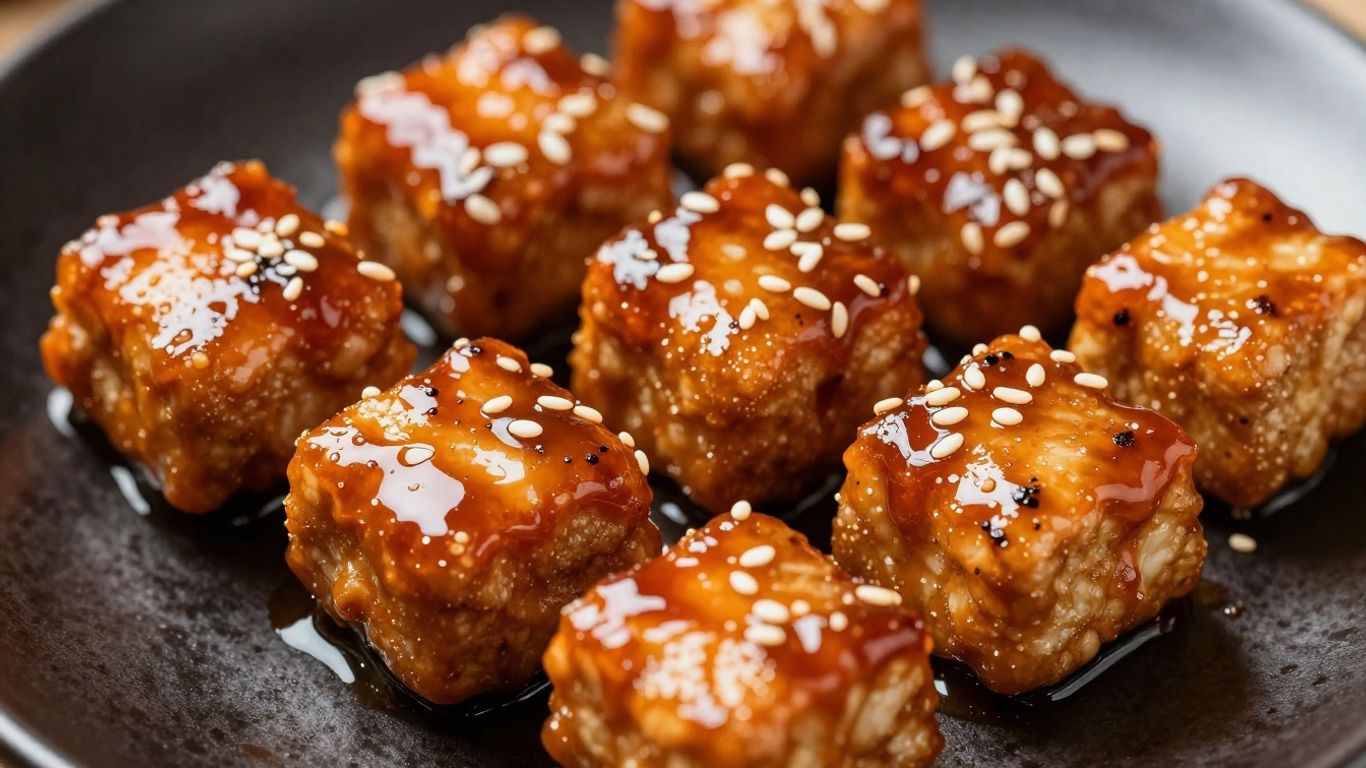
Tempeh is a fantastic ingredient for anyone looking to boost their protein intake, and this teriyaki version is no exception. It’s made from fermented soybeans, which means it’s not only packed with protein but also good for your gut. This recipe is pretty straightforward, making it a great option for a weeknight meal when you don’t have a lot of time.
The key to great teriyaki tempeh is getting that perfect balance of sweet and savory. You want the sauce to coat the tempeh nicely without being too overpowering. It’s a dish that really shines when served over a bed of fluffy rice, maybe with some steamed broccoli or snap peas on the side.
Here’s a general idea of how you might put it together:
- Prepare the Tempeh: Start by cutting your tempeh into cubes or strips. Some people like to steam it for a few minutes first to mellow out any bitterness, but you can skip this if you’re short on time. Then, toss it with a bit of soy sauce or tamari to help the teriyaki sauce stick.
- Make the Teriyaki Sauce: You can buy a pre-made sauce, but making your own is pretty easy. Usually, it involves soy sauce, mirin (a sweet rice wine), sugar (or a sweetener like maple syrup), and maybe some ginger and garlic. Whisk it all together until the sugar dissolves.
- Cook the Tempeh: Pan-fry the tempeh pieces in a little oil until they’re golden brown and a bit crispy. This step adds a nice texture.
- Combine and Glaze: Pour the teriyaki sauce over the cooked tempeh and let it simmer for a few minutes until the sauce thickens and coats the tempeh beautifully.
This dish is super versatile. Don’t be afraid to add in some extra veggies like bell peppers or onions when you’re cooking the tempeh. It makes the meal even more substantial and adds more nutrients.
It’s a simple yet satisfying meal that feels hearty and flavorful, proving that plant-based eating can be both delicious and incredibly good for you. Plus, tempeh’s firm texture really holds up, giving you that satisfying bite.
8. Maple Garlic Tofu Roast
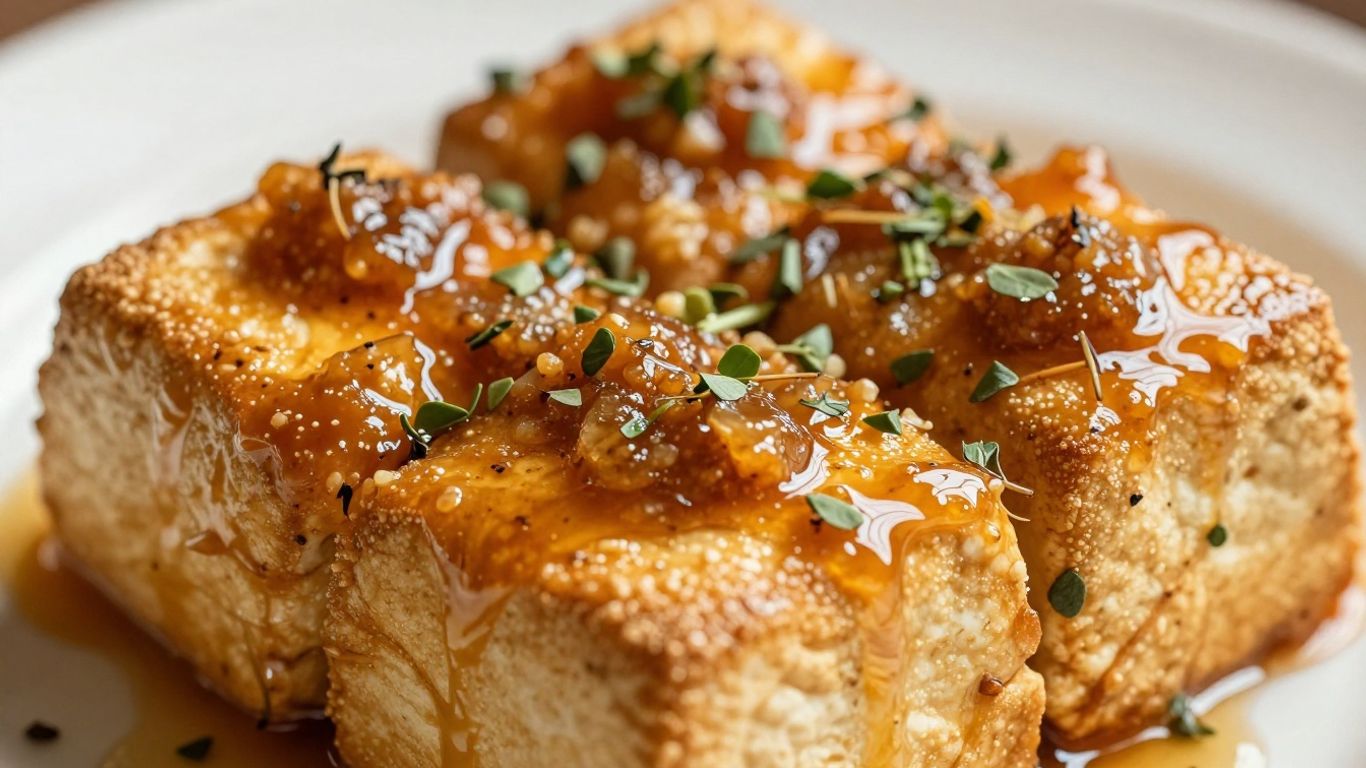
This Maple Garlic Tofu Roast is a fantastic way to get a hearty, protein-packed meal on the table without any meat. It’s surprisingly simple to put together, making it a great option for a weeknight dinner or even a special occasion when you want a plant-based centerpiece.
The key to this dish is getting the tofu nicely browned and slightly crispy before roasting it in that sweet and savory maple garlic sauce. It really soaks up all the flavors and becomes incredibly tender on the inside. You can serve this roast as is, or carve it up at the table for a bit of a show.
Here’s a general idea of how you might approach it:
- Press your tofu: This is super important for getting the best texture. Use extra-firm tofu and press out as much water as you can. You can use a tofu press or wrap it in paper towels and place something heavy on top for at least 30 minutes.
- Marinate: Whisk together maple syrup, minced garlic, soy sauce (or tamari for gluten-free), a splash of apple cider vinegar, and maybe some ginger or a pinch of red pepper flakes for a little kick. Cut the pressed tofu into thick slabs or cubes and let it soak in the marinade for at least 15-20 minutes, or longer if you have time.
- Roast: Arrange the marinated tofu on a baking sheet lined with parchment paper. Pour any extra marinade over the top. Roast in a preheated oven at around 400°F (200°C) for about 25-35 minutes, flipping halfway through, until the tofu is golden brown and slightly caramelized.
This dish pairs wonderfully with roasted vegetables like Brussels sprouts or sweet potatoes, or even a simple side of quinoa or rice. It’s a really satisfying meal that proves plant-based eating can be both delicious and substantial.
9. Tofu Tahini Stir Fry
This Tofu Tahini Stir Fry is a seriously quick and satisfying meal, especially when you’re trying to get more protein into your diet without any meat. It’s one of those dishes that comes together in about 20 minutes, which is pretty awesome for a busy weeknight.
The key to this recipe is getting the tofu nice and crispy before you add the sauce. You want that little bit of texture to contrast with the creamy tahini. It’s not complicated, just requires a bit of patience while it browns in the pan.
Here’s a general idea of how it goes down:
- Prep your tofu: Use extra-firm tofu and press out as much water as you can. Then, crumble it or cut it into cubes. Toss it with some spices like garlic powder, onion powder, and maybe a pinch of Chinese five-spice for that extra something.
- Cook the tofu: Get a pan nice and hot with a little oil. Add the tofu and let it cook undisturbed for a few minutes until it’s browned on one side. Keep flipping and cooking until it’s golden and a bit crispy all over.
- Make the sauce: While the tofu is doing its thing, whisk together tahini, a splash of soy sauce or tamari, a bit of agave or maple syrup for sweetness, rice vinegar for tang, and some red pepper flakes if you like a little heat. Thin it out with a tablespoon or two of water until it’s a nice, pourable consistency.
- Stir-fry time: You can add pre-cut veggies like broccoli, bell peppers, or snap peas to the pan after the tofu is cooked, or just toss them in raw if you prefer them crunchier. Stir-fry them for a few minutes until they’re tender-crisp.
- Combine and serve: Toss the cooked tofu and veggies with the tahini sauce. Serve it over rice or noodles, and top with toasted sesame seeds for extra crunch and flavor.
This dish is super adaptable. If you’re really short on time, grab a bag of pre-cut stir-fry veggies and some pre-marinated tofu from the store. It won’t be exactly the same, but it’ll still be a healthy, protein-packed meal.

It’s a really straightforward way to get a lot of protein from tofu, and the tahini sauce makes it taste way more interesting than plain old stir-fried tofu. Plus, adding a handful of nuts or seeds on top gives it another protein boost.
10. Easy Quinoa with Tofu
This recipe is a real winner if you’re looking for a quick, protein-packed meal that doesn’t skimp on flavor. It combines fluffy quinoa with hearty tofu, making it a fantastic option for post-workout recovery or just a solid weeknight dinner. The real magic happens with the additions, like a creamy tofu ‘ricotta’ and crunchy, spiced pepitas. It’s surprisingly simple to throw together, especially if you multitask while the quinoa cooks.
Here’s a breakdown of what goes into this dish:
- Quinoa: A complete protein source that forms the base.
- Tofu Ricotta: Made from extra-firm tofu, nutritional yeast, and seasonings, it adds a creamy texture and a protein boost.
- Garlicky Pepitas: Toasted pumpkin seeds with garlic and chili flakes for a savory crunch.
- Lentils: Pre-cooked lentils are added for even more protein and substance.
This dish is a great example of how plant-based ingredients can come together to create something truly satisfying and nutritious. The combination of textures and flavors makes it anything but boring.
It’s a meal that feels substantial and will keep you full, thanks to the combined power of quinoa, tofu, and lentils. Plus, you can easily customize the toppings – think pickled onions or some fresh herbs for a pop of color and extra zing. It’s a go-to for a reason!
Wrapping It Up
So there you have it! Building muscle on a plant-based diet isn’t some impossible feat. It really just comes down to knowing what to eat and how to prepare it. We’ve shown you some seriously tasty ways to get your protein fix using ingredients like tofu, tempeh, beans, and quinoa. Forget bland or boring meals; these recipes prove that meat-free can be incredibly satisfying and fuel your fitness goals. Remember, consistency is key, and with these dishes in your rotation, you’ll be well on your way to hitting those gains, all while enjoying delicious, wholesome food.
Frequently Asked Questions
Can you really build muscle eating only plants?
Absolutely! Many people successfully build and maintain muscle while eating a plant-based diet. The key is to focus on getting enough protein from a variety of plant sources, like beans, lentils, tofu, tempeh, and whole grains. It’s all about smart food choices!
What are the best plant-based foods for protein?
Some top choices include tofu, tempeh, edamame, lentils, beans (like black beans and chickpeas), quinoa, nuts, and seeds. These foods are packed with the protein your muscles need to grow and repair.
Do I need to worry about ‘complete’ proteins on a vegan diet?
While some plant foods are considered ‘complete’ proteins (meaning they have all nine essential amino acids), it’s not something to stress too much about. Eating a variety of plant-based foods throughout the day will naturally give you all the amino acids you need. Your body is pretty good at putting them together!
How much protein do I need for muscle gain?
The exact amount can vary, but generally, people looking to build muscle need more protein than the average person. Aiming for around 0.7 to 1 gram of protein per pound of body weight is a good starting point. Focusing on protein-rich meals like the ones in this article will help you reach that goal.
Are plant-based protein supplements necessary?
Supplements can be helpful, but they aren’t essential. It’s always best to get your protein from whole foods first. If you find it challenging to meet your protein needs through diet alone, a plant-based protein powder can be a convenient addition.
How can I make plant-based meals more satisfying?
To make plant-based meals feel more filling and satisfying, focus on texture and flavor. Incorporating ingredients like tofu, tempeh, and seitan can provide a ‘meaty’ chew. Adding healthy fats from avocados or nuts, and using flavorful spices and sauces, also makes a big difference.
