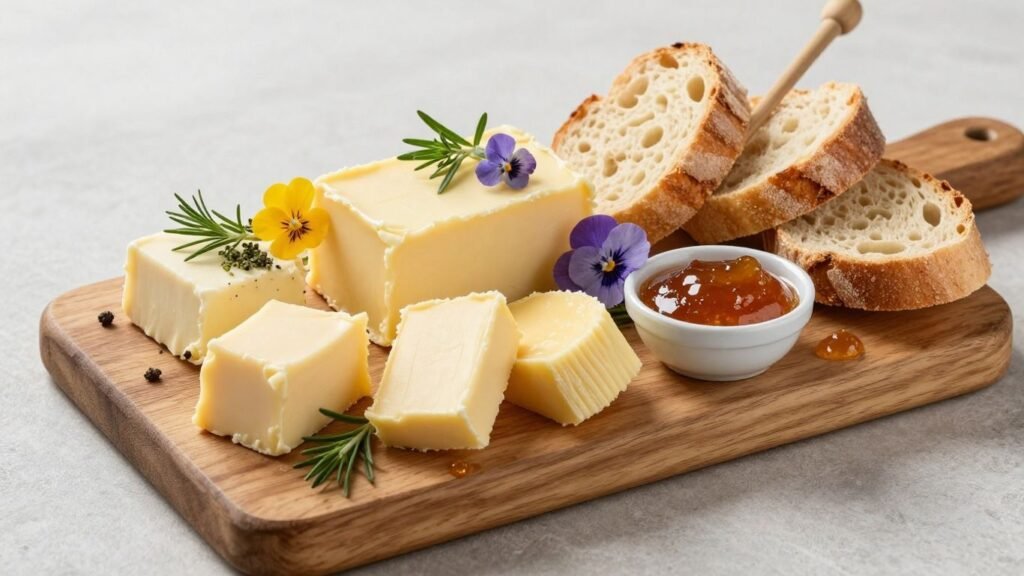
So, you’re planning a dinner party and want to add something a little special, right? Forget the usual dips and platters. We’re talking about butter boards! It sounds a bit fancy, but honestly, it’s super easy to make and looks amazing. Think of it as a way to serve butter with a whole lot of personality. This guide will show you how to make artisanal butter boards for your next dinner party, turning a simple spread into the star of the show.
Key Takeaways
- Start with good quality butter, softened to room temperature for easy spreading.
- Choose a food-safe surface like a cutting board or platter to build your butter board on.
- Spread the butter unevenly to create little dips and swirls for toppings to settle into.
- Layer toppings like flaky salt, fresh herbs, nuts, seeds, and drizzles of honey or olive oil for flavor and texture.
- Serve with plenty of bread, crackers, or crudités and provide separate spreaders for guests.
The Foundation of a Memorable Butter Board
Selecting the Perfect Butter
When you’re thinking about building a butter board, the star of the show is, well, the butter. You want something that tastes good on its own and can hold up to whatever toppings you decide to add. Real butter is the way to go – skip the margarine. Many people find that salted butter has a richer flavor that works really well for this kind of appetizer. Brands like Kerrygold are popular because they have a nice color and taste, but honestly, any good quality butter you like will do. The amount you need depends on your board size and how many people you’re serving. A good rule of thumb is about one stick of butter for every 4 people.
Achieving Ideal Butter Consistency
Getting the butter to the right temperature is pretty important. It needs to be soft enough to spread easily across your board without tearing or breaking, but not so soft that it turns into a greasy puddle. You’re looking for that perfect spreadability. This usually means taking the butter out of the fridge about an hour before you plan to serve it, depending on how warm your kitchen is. If you forget or are in a rush, you can gently warm it up, but be careful not to melt it completely. You want it pliable, like thick frosting.
Choosing Your Serving Surface
You don’t need anything fancy to make a butter board. Lots of different surfaces work well. Think about what you have on hand: a nice wooden cutting board, a marble slab, a ceramic platter, or even a slate tile. If you’re using wood, putting down a piece of parchment paper can make cleanup a lot easier and is good for food safety. For a more elegant look, a simple white platter can make the butter and toppings really pop. The size of your board matters too. A smaller board, maybe 6-7 inches across, is usually good for about 4 people. If you’re having a bigger get-together, you’ll want a larger board, maybe 12 inches or more, and you might need two sticks of butter.
Crafting Your Artisanal Butter Board
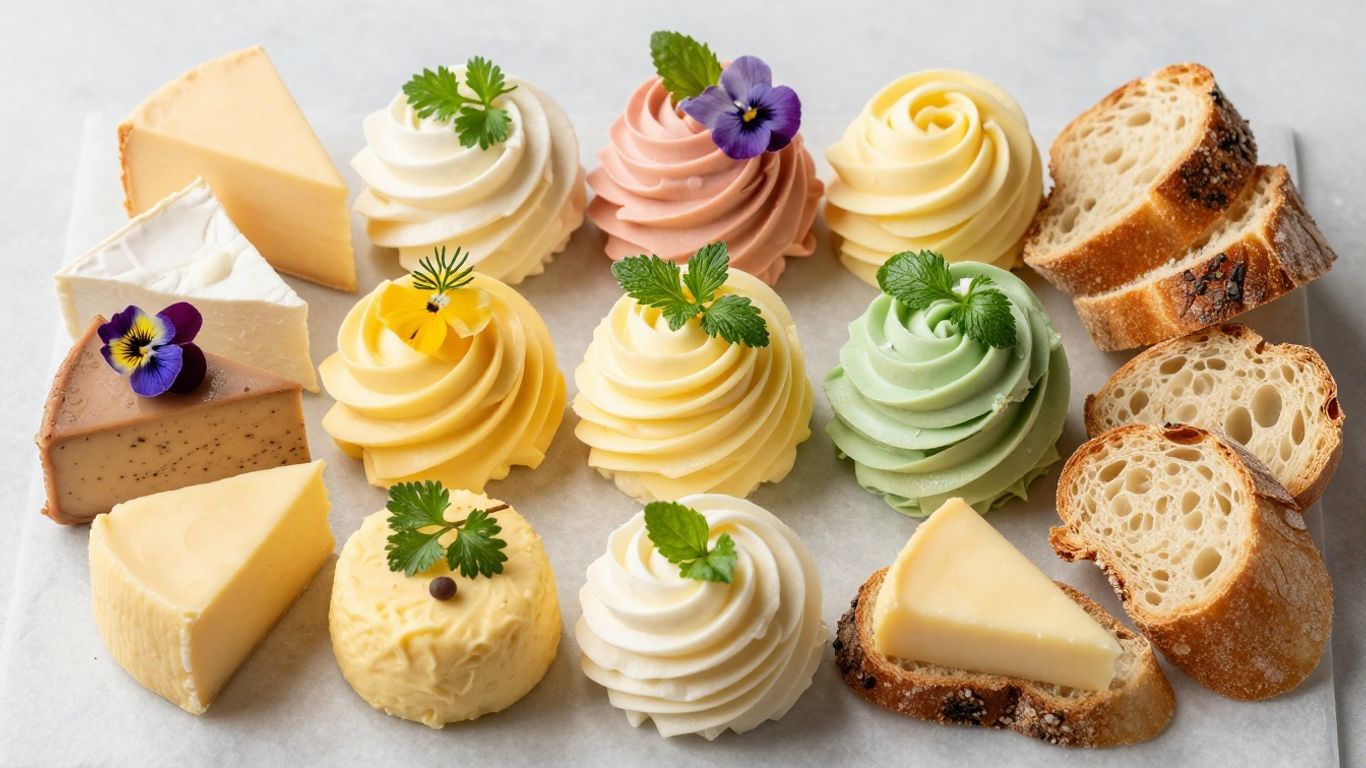
So, you’ve got your butter ready and your surface picked out. Now comes the fun part: making it look amazing and taste even better. It’s not just about slapping some butter down; there’s a bit of an art to it, but don’t worry, it’s totally doable. The goal is to create something that’s as pleasing to the eye as it is to the palate.
The Art of Spreading Butter
Forget just smoothing it out. Think texture! Use the back of a spoon or a small offset spatula to spread the butter. Make some swirls, create little dips and valleys. This isn’t just for looks; these little nooks are perfect for catching all those delicious toppings. It’s like creating a landscape for flavor. A pro tip: leave a small border around the edge of your board. It frames the butter nicely and makes the whole presentation look more put-together.
Layering Toppings for Visual Appeal
This is where your butter board really comes to life. Think about colors and how things will sit together. Start with a base layer, maybe some herbs or spices, then add your bigger items like olives or nuts. Finally, finish with drizzles of honey or olive oil and maybe some edible flowers for a pop of color. It’s all about building layers that look good and taste good together.
Here’s a simple layering guide:
- Salt First: A good sprinkle of flaky sea salt is a must. It brings out all the other flavors.
- Herbs & Spices: Fresh herbs like rosemary, thyme, or chives add color and aroma.
- Texture: Nuts, seeds, or even crispy fried shallots give a nice crunch.
- Drizzles: A touch of honey, hot honey, or good olive oil adds moisture and richness.
- Color Pops: Think citrus zest, pomegranate seeds, or edible flowers for visual interest.
Balancing Flavors with Acidic Elements
Butter is rich, so you need things to cut through that richness. This is where acidic elements come in. They wake up your taste buds and make each bite more interesting. Don’t be shy with these! They’re the secret to a butter board that doesn’t feel too heavy.
Here are some ideas for adding that bright contrast:
- Citrus Zest: Lemon, lime, or orange zest adds a fresh, zesty kick.
- Vinegars: A tiny drizzle of balsamic glaze or a good quality vinegar can work wonders.
- Olives & Capers: Their briny flavor is a fantastic counterpoint to butter.
- Pickled Elements: Small pickled onions or cornichons offer a sharp tang.
- Sun-Dried Tomatoes: Their concentrated, slightly tart flavor adds depth.
Elevating Flavors with Toppings
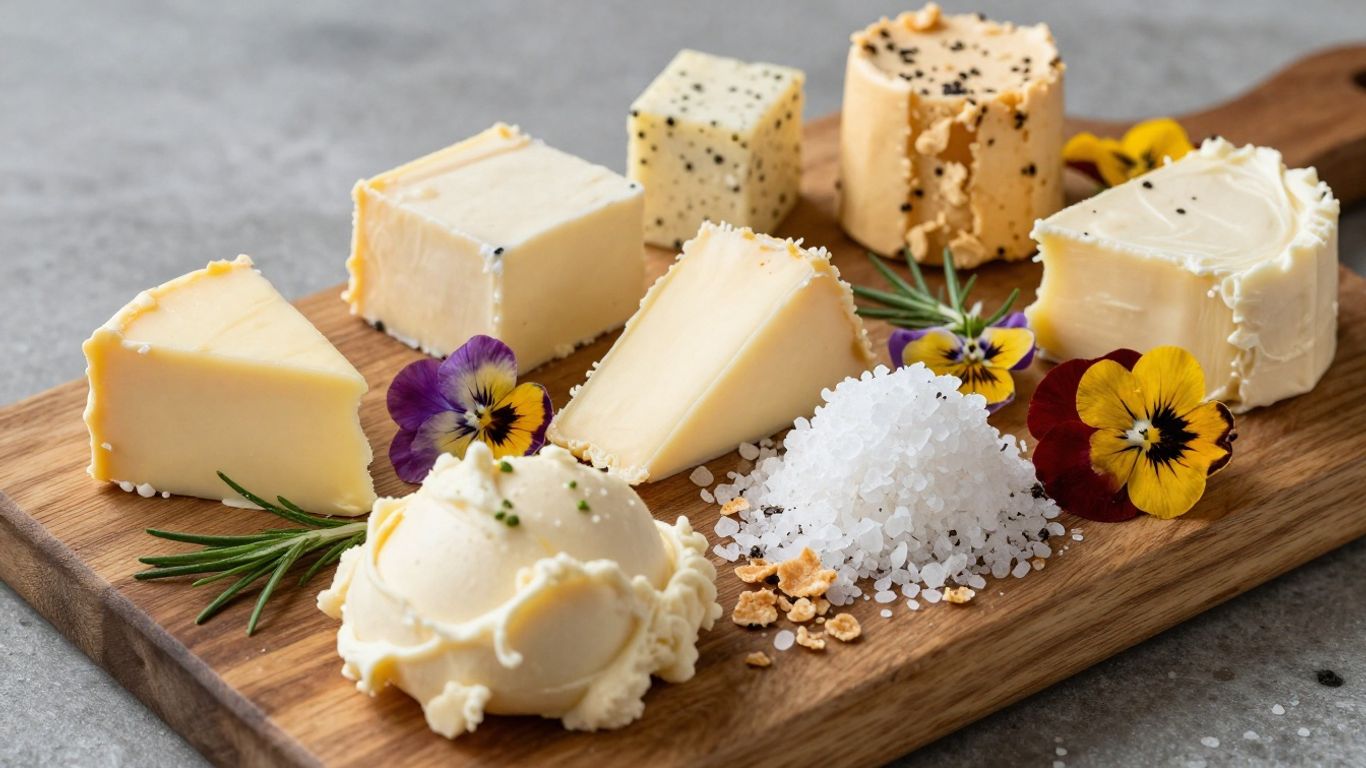
Okay, so you’ve got your butter, it’s spread out nicely on your board. Now what? This is where the magic really happens, turning plain butter into something guests will talk about. It’s all about adding those little extras that make each bite interesting.
The Essential Role of Flaky Salt
Seriously, don’t skip the salt. It’s not just about making things taste salty; it actually wakes up all the other flavors. Think of it like a conductor for your flavor orchestra. I like using flaky sea salt, like Maldon. It gives you these little bursts of saltiness and a nice little crunch. You want to be pretty generous with it – it’s going to cut through the richness of the butter and make everything taste way better. It’s pretty much non-negotiable for a good butter board.
Incorporating Fresh Herbs
Fresh herbs are a game-changer. They add a pop of color and a burst of freshness that cuts through the fat. You can go with classic choices like rosemary, thyme, or basil. If you’re feeling a bit more adventurous, maybe some chives or dill could work. Just chop them up finely and sprinkle them over the butter. It makes the board look so much more inviting, too. It’s like adding little green jewels.
Adding Texture with Nuts and Seeds
Butter boards can sometimes be a bit one-note texturally if you’re not careful. That’s where nuts and seeds come in. They add a much-needed crunch. Toasted nuts like pistachios, almonds, or walnuts are great. Seeds like pumpkin seeds or sunflower seeds work well too. Even something like everything bagel seasoning can add a nice mix of textures and flavors. Just a light sprinkle is usually enough to make a difference.
Creative Butter Board Combinations
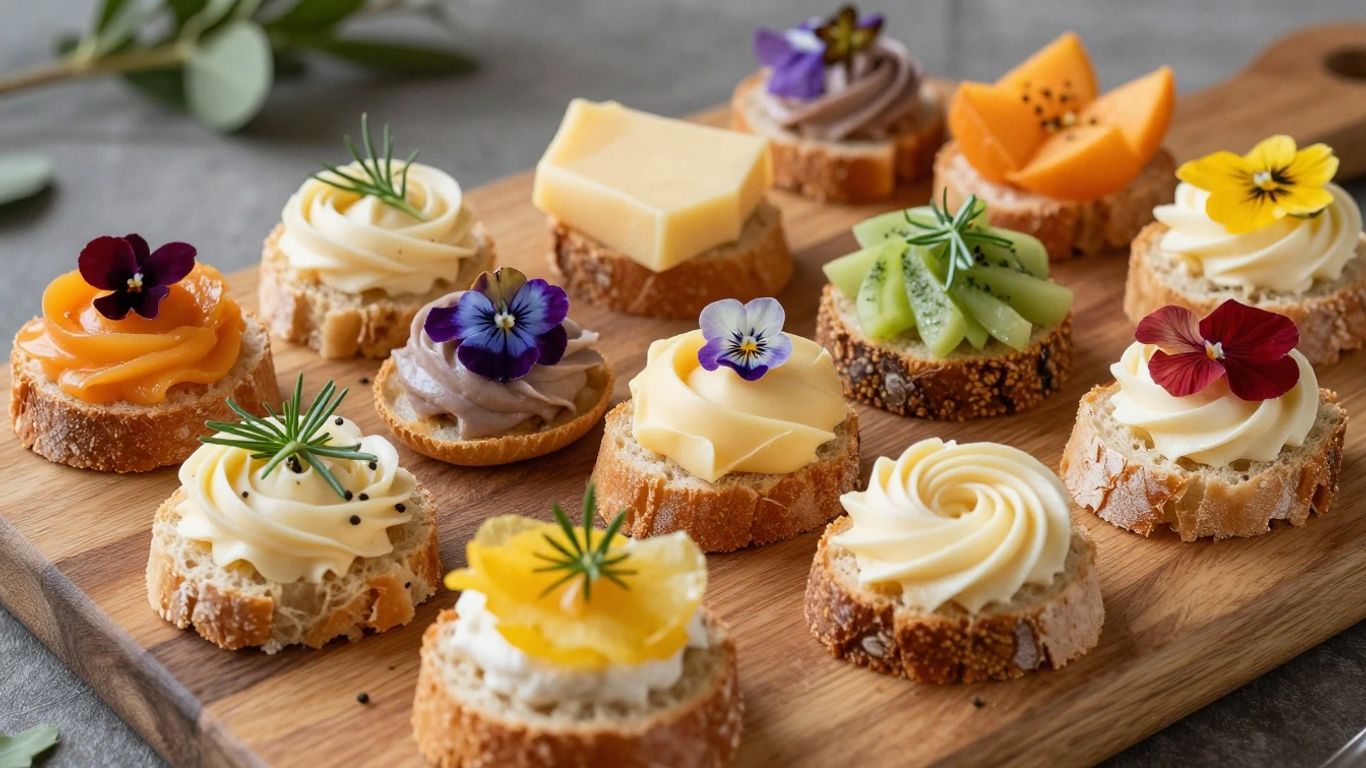
This is where the real fun begins! Once you’ve got the basics down, you can start playing with different flavor profiles to create truly unique butter boards. Think of these as starting points, ready for your own personal touch.
Classic Herb and Honey Delight
This is a go-to for a reason. It’s simple, elegant, and almost everyone loves it. The key is balancing the fresh, aromatic herbs with the sweetness of honey.
- Butter: Softened unsalted butter
- Herbs: Finely chopped fresh rosemary and thyme
- Sweetness: A generous drizzle of good quality honey (wildflower or clover work well)
- Zest: A bit of fresh lemon zest for brightness
- Salt: Flaky sea salt, of course
- Optional: A few pink peppercorns for a subtle floral note and visual pop.
This combination is fantastic with crusty sourdough or a light baguette.
Vibrant Mediterranean Flavors
Bring the sunny tastes of the Mediterranean to your table with this zesty and savory option. It’s a bit more complex but incredibly rewarding.
- Butter: Softened unsalted butter
- Savory: Roasted garlic cloves (mashed slightly) and chopped Castelvetrano olives
- Freshness: Fresh basil, roughly chopped
- Spice: A pinch of red pepper flakes for a little warmth
- Finish: A drizzle of good extra virgin olive oil and flaky sea salt.
Serve this with warm pita bread or focaccia for an authentic experience.
Sweet and Spicy Accents
For those who like a little kick with their sweetness, this combination is a winner. It’s bold and exciting, perfect for guests who enjoy a bit of adventure.
- Butter: Softened unsalted butter
- Heat: Hot honey or a drizzle of regular honey mixed with chili flakes
- Texture: Crushed pistachios or toasted almonds
- Fruit: Fresh figs (sliced) or a dollop of fig jam
- Aroma: A hint of orange zest
- Salt: Flaky sea salt to balance the sweetness and heat.
This works wonderfully with a slightly sweet cracker or a brioche toast.
Don’t be afraid to mix and match elements from these combinations. The beauty of a butter board is its adaptability. If you love the idea of roasted garlic but also want a touch of honey, go for it! The goal is to create something delicious and visually appealing that suits your taste and your guests’.
Seasonal Butter Board Inspirations
A butter board isn’t just for any old time; it can really shine when you tailor it to the season. It’s like giving your guests a little taste of whatever time of year it is, right there on a platter.
Autumnal Harvest Butter Board
Think warm, cozy flavors for fall. This is where you can really lean into spices and earthy notes. It’s perfect for Thanksgiving or just a chilly autumn evening.
- Base: Softened unsalted butter.
- Spices: A good sprinkle of cinnamon and a pinch of nutmeg.
- Sweetness: Drizzle with maple syrup or honey.
- Texture: Add toasted pecans or walnuts.
- Color & Flavor: Toss in some dried cranberries and a few fresh sage leaves.
This combination just screams “fall.” It pairs wonderfully with quick breads like zucchini or pumpkin bread, or even a simple toasted sourdough.
Springtime Freshness Butter Board
When spring rolls around, you want something bright and light. This is all about fresh, zesty flavors and vibrant colors.
- Base: Softened unsalted butter.
- Zest: Lemon zest is a must.
- Herbs: Fresh chives or finely chopped parsley work great.
- Crunch: Everything bagel seasoning or toasted sunflower seeds.
- Color: Thinly sliced radishes or a few edible flowers for a pop.
It’s a refreshing change of pace and feels like a breath of fresh air. Serve it with light crackers or toasted baguette slices.

Winter Holiday Butter Board
For the holidays, you want something festive and a little bit special. Think rich flavors and colors that match the season’s decorations.
- Base: Softened unsalted butter.
- Fruit: Pomegranate seeds for a jewel-like look and tartness.
- Nuts: Toasted pecans or pistachios add a nice crunch.
- Aromatics: A sprig of fresh rosemary.
- Sweetness: A light drizzle of honey.
- Citrus: A bit of orange zest can really brighten it up.
This board looks stunning on a holiday table, with its reds, greens, and whites. It’s a great starter before a big holiday meal and pairs well with crusty bread or mini toasts.
Serving Your Butter Board with Flair
The Perfect Bread Pairings
So, you’ve crafted a beautiful butter board. Now, what do you serve it with? The bread is your guest’s vehicle for experiencing all that deliciousness, so don’t skimp here. Think about textures and flavors that complement, rather than compete. A crusty baguette, sliced thinly, is always a winner. Warm, soft focaccia is also fantastic, especially if it has a bit of olive oil baked in. For something a little different, consider toasted sourdough or even some hearty rye bread. And don’t forget crackers! A good quality water cracker or a seeded cracker can offer a nice contrast.
Ensuring Proper Serving Etiquette
When it comes to serving, a little goes a long way in making things smooth. Provide small knives or spreaders for each guest. This keeps things clean and prevents everyone from double-dipping. It’s a small detail, but it makes a big difference in how your guests feel about the presentation. Also, consider the temperature – you want the butter to be spreadable, not melted. If your party is outdoors or in a warm room, you might need to keep an eye on it.
Presentation Tips for Maximum Impact
Presentation is where your butter board truly shines. Think about the colors and textures of your toppings. A sprinkle of flaky sea salt right before serving adds a lovely sparkle and crunch. Fresh herbs, like chives or parsley, add a pop of green. If you’ve used edible flowers, make sure they’re placed strategically. The board itself is part of the presentation, so use a nice wooden board, a slate platter, or even a pretty ceramic dish. Arrange your bread and crackers around the board artfully, not just piled up. It’s all about creating an inviting and visually appealing centerpiece for your guests to gather around.
Ready to Impress?
So there you have it – a simple yet stunning way to make your next get-together memorable. Butter boards are pretty easy to put together, and they really do make a statement without a ton of fuss. Whether you’re going for something sweet, savory, or a little bit of both, the possibilities are endless. Grab some good butter, your favorite toppings, and a nice board, and get ready for your guests to be wowed. It’s a fun way to share food and good times.
Frequently Asked Questions
What exactly is a butter board?
A butter board is basically a fancy way to serve butter! You spread softened butter on a board or plate and then add yummy toppings like herbs, spices, honey, or even some chopped nuts. It’s like a spreadable, edible piece of art that you eat with bread or crackers.
What kind of butter should I use?
It’s best to use good quality butter, like the kind that’s a bit richer and tastes great on its own. Think of butter that’s a pretty yellow color. Using a better butter makes your whole board taste amazing, so it’s worth spending a little extra.
How do I get the butter to the right softness?
You want the butter to be soft enough to spread easily, but not melted. Just take it out of the fridge and let it sit on the counter for a little while in a cool spot. It should be soft like frosting, but still hold its shape.
What are some good toppings to add?
You can add almost anything! Flaky salt is a must to make the flavors pop. Fresh herbs like parsley or basil add color and taste. You can also add things like honey, chopped nuts, dried fruit, or even a little bit of lemon zest for a bright flavor.
What do I serve with a butter board?
You definitely need bread or crackers for scooping! Crusty bread like sourdough or baguette slices work great. Warm, soft bread like focaccia is also a good choice. You can also offer crackers or even some veggie sticks.
Can I use something other than a wooden board?
Yes, you absolutely can! A nice ceramic platter, a slate board, or even a pretty plate works perfectly fine. The most important parts are the butter and the toppings, not necessarily the board itself.