

Ever tried to recreate that amazing seaweed salad from your favorite sushi spot at home? It can be tricky, right? That perfect balance of tangy dressing and that satisfying, slightly chewy texture is key. Well, get ready, because we’re breaking down how to get that restaurant-quality taste right in your own kitchen. We’ll cover everything from picking the best seaweed to whipping up a dressing that sings. And don’t worry, it’s easier than you think!
Key Takeaways
- Wakame is a type of edible seaweed, often called a “superfood of the sea,” and a common ingredient in Japanese dishes like salads and soups.
- A good dressing for seaweed salad usually includes a base of rice vinegar and soy sauce, with sesame oil and ginger for added flavor.
- Properly rehydrating dried wakame and draining it well is important for the right texture.
- Adding ingredients like cucumber and toasted sesame seeds can improve the salad’s taste and look.
- Exploring seaweed salad variations means looking at different types of seaweed and other ingredients like agar-agar for unique textures and flavors.
Understanding Wakame Seaweed Salad
Wakame seaweed salad, often called Kaisou Sarada in Japan, is a popular dish that brings a taste of the restaurant right to your kitchen. It’s not just about the taste, though; this salad is packed with good stuff from the ocean. It’s a simple yet flavorful way to enjoy sea vegetables.
What Is Wakame Seaweed?
Wakame is a type of edible seaweed, a marine algae that’s been a food source in places like Japan and Korea for a very long time. It’s usually a dark green color and has a slightly sweet, distinct flavor. When you buy it dried, it looks like brittle flakes or strips, but it transforms when you rehydrate it. It becomes softer and a bit lighter in color, ready to soak up all those delicious dressing flavors. You can find it in Asian markets or even online if your local store doesn’t carry it.
The “Superfood of the Sea”
People call wakame a “superfood of the sea” for good reason. It’s loaded with nutrients that are good for you. Think iodine, which is important for your thyroid, and minerals like calcium and magnesium. It also has vitamins, fiber, and even some healthy omega-3 fatty acids. It’s pretty amazing how much goodness can come from something that grows in the ocean. Plus, it’s naturally low in calories and carbs, which is a nice bonus.
A Staple in Japanese Cuisine
In Japan, seaweed salads are a common sight, served as a starter or a side dish. They’re a great way to add some variety to your meals. The beauty of wakame salad is its versatility. It pairs well with so many things, from sushi and sashimi to grilled fish or even just a simple bowl of miso soup. It’s a dish that feels both healthy and satisfying, making it a regular in many Japanese households and restaurants alike. This Japanese seaweed salad is a perfect example of how simple ingredients can create something truly special.
Crafting the Perfect Restaurant-Quality Dressing
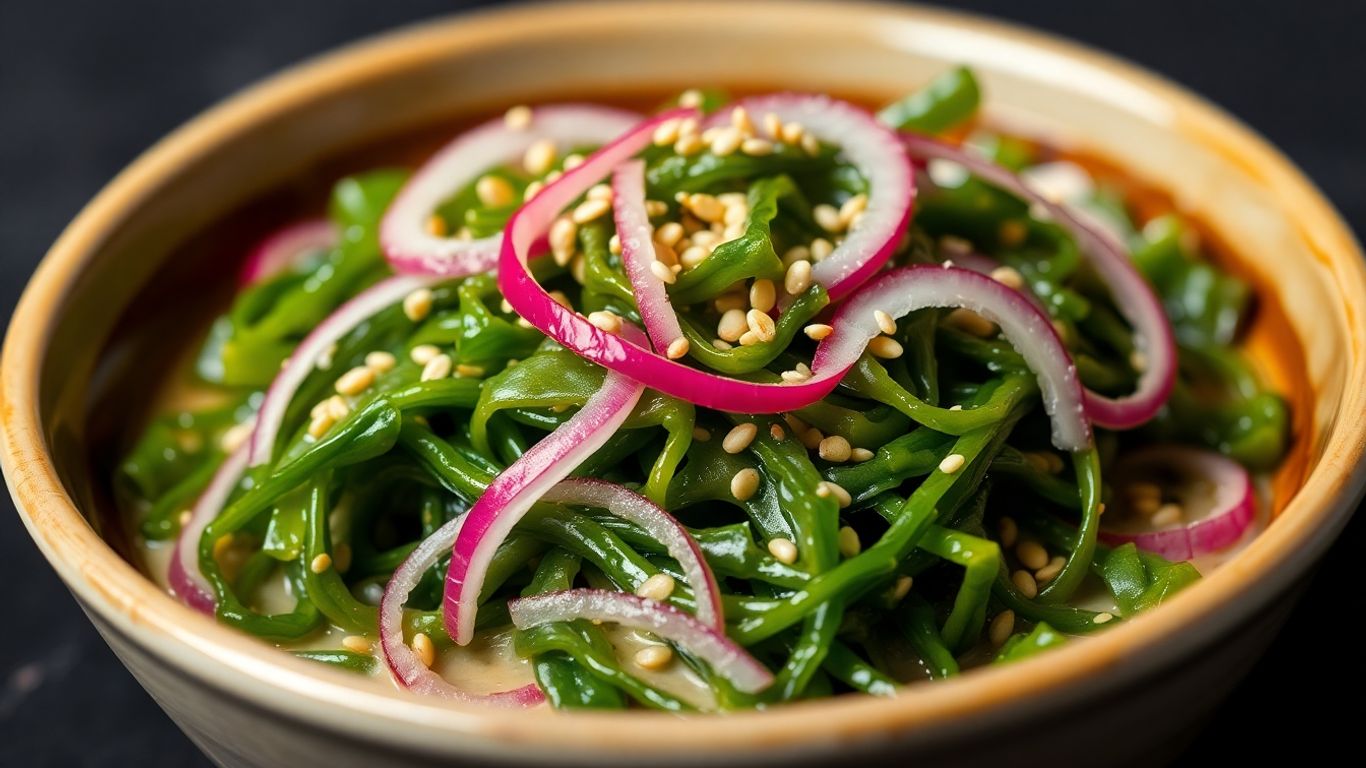
The dressing is really what makes or breaks a seaweed salad, right? You want that perfect balance of tangy, savory, and a little bit sweet. It’s not super complicated, but getting the proportions right makes all the difference.
The Tangy and Savory Base
The foundation of a great dressing usually starts with rice vinegar. It’s got a mild acidity that’s not too sharp, and a hint of sweetness that’s just right. Then comes the soy sauce for that umami punch and saltiness. Some people use a bit of salt too, especially if they’re trying to keep the soy sauce amount down to keep the color nice and light. I’ve found that using a good quality soy sauce really makes a difference here. You can also use tamari or coconut aminos if you need a gluten-free option.
Enhancing Flavors with Sesame and Ginger
This is where the magic happens. Toasted sesame oil is non-negotiable for that classic nutty flavor. Seriously, don’t skimp on this. A little bit of fresh grated ginger adds a warm, zesty kick that cuts through the richness. It’s like a little flavor explosion in every bite. Some recipes also call for a touch of sugar to balance everything out, which I think is a good idea. It just rounds out all the flavors.
Adjusting Spice Levels
If you like a little heat, this is your chance to add it. A pinch of chili flakes can add a nice warmth without being overpowering. You can adjust this to your liking, or leave it out entirely if spice isn’t your thing. It’s all about making it taste good to you.
Here’s a basic ratio to get you started:
| Ingredient | Amount (for ~4 cups salad) | Notes |
|---|---|---|
| Rice Vinegar | 1/4 cup | Mild and slightly sweet |
| Soy Sauce | 3 tablespoons | Use good quality, or tamari/coconut aminos |
| Toasted Sesame Oil | 2 tablespoons | The key nutty flavor |
| Sugar | 1-2 teaspoons | To balance the flavors |
| Fresh Ginger | 1 teaspoon, grated | For a zesty kick |
| Chili Flakes | Pinch (optional) | For a touch of heat |
Remember, this is a starting point. Taste as you go and adjust the ingredients. Maybe you want it tangier, or a bit sweeter. Don’t be afraid to play around with it until it’s perfect for your palate. It’s all part of the fun of making your own local produce salad.
Making your own dressing means you control exactly what goes in. No weird preservatives or excessive sodium. Just fresh, bright flavors that make your seaweed salad sing. It’s surprisingly easy to whip up, and honestly, it tastes so much better than anything you’d get from a bottle. You’ll be surprised at how quickly you can mix up a batch.
Achieving the Ideal Seaweed Texture
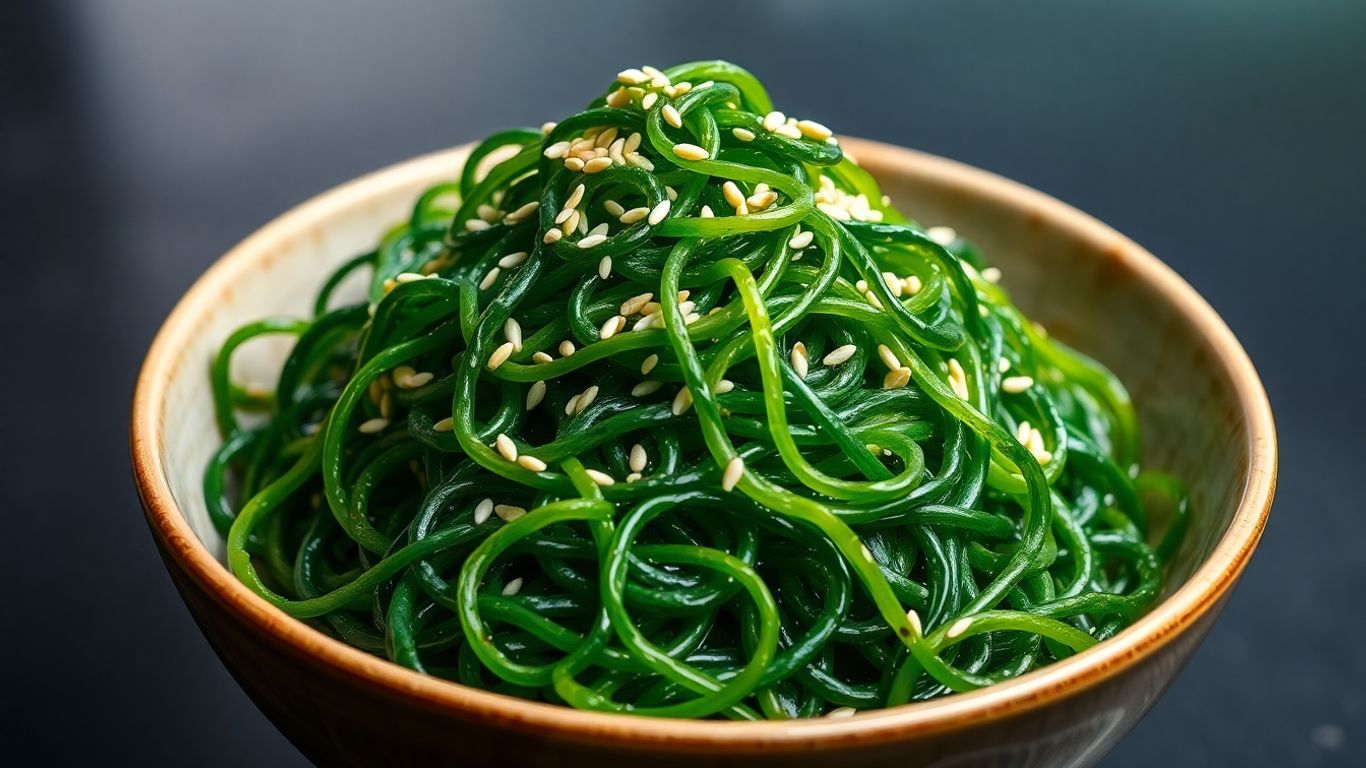
Getting the texture of your wakame salad just right is a big part of making it taste like it came from your favorite Japanese restaurant. It’s not just about the flavor; it’s about how it feels in your mouth. Too mushy and it’s sad, too tough and it’s just not pleasant. We’re aiming for that perfect balance of tender yet with a slight chew, something that really makes the salad sing.
Rehydrating Dried Wakame
This is where it all begins. Most of the time, you’ll be starting with dried wakame, which looks like brittle, dark green flakes or strands. To bring it back to life, you just need water. It’s pretty straightforward, but there are a few things to keep in mind.
- Use cool or lukewarm water: Hot water can sometimes make the seaweed a bit too soft or even slimy. Cool water is usually best for a nice, tender texture.
- Soaking time matters: Check the package, but usually, 5 to 10 minutes is plenty. You want it to be pliable, not disintegrating.
- Don’t over-soak: If you leave it in the water for too long, it can lose some of its flavor and get a bit too limp.
Ensuring Proper Drainage
After rehydrating, the wakame will be holding onto a lot of water. This is a common pitfall. If you don’t get rid of that excess water, your salad dressing will get diluted, and the seaweed might end up tasting watery instead of flavorful. Squeezing out the water is a non-negotiable step.
Here’s how to do it right:
- Take handfuls of the rehydrated wakame.
- Gently but firmly squeeze it over the sink. You’ll be surprised how much water comes out!
- Repeat until the wakame feels much lighter and less waterlogged.
A well-drained seaweed base means your dressing will cling to it beautifully, concentrating all those delicious flavors. It also helps prevent the salad from becoming a watery mess in the fridge.
Cutting for Optimal Bite
Once your wakame is rehydrated and squeezed dry, it’s time to think about how you cut it. If you’re using whole strands, they can be a bit long and unwieldy. Chopping them into smaller, more manageable pieces makes a huge difference in the eating experience. Aim for pieces that are about half an inch to an inch long. This size is perfect for getting a good mix of seaweed and dressing in every bite, and it also helps the seaweed absorb the flavors more evenly. It gives you that satisfying, slightly chewy texture without being overwhelming.
Elevating Your Seaweed Salad
So, you’ve got your wakame rehydrated and dressed, but we’re not quite at that restaurant-quality level yet. A few simple additions can really make this salad sing. It’s all about adding layers of texture and flavor that complement the star ingredient.
Adding Refreshing Cucumber
Cucumber is a fantastic addition. It brings a cool, crisp contrast to the slightly chewy seaweed. To get it just right, slice it thinly. Then, toss the slices with a little salt and let them sit for about ten minutes. This step, called sweating, pulls out excess water. It stops your salad from getting watery and makes the cucumber pieces have a nice, firm crunch instead of being soggy. You want that satisfying snap with every bite, you know?

The Role of Toasted Sesame Seeds
Don’t skip the toasted sesame seeds! They’re small, but they pack a punch. When you toast them, they get this wonderful nutty aroma and flavor. Plus, they add a fun little pop of texture. They really tie the whole salad together, giving it that authentic taste you find in good Japanese restaurants. It’s a simple step that makes a big difference.
Garnishes for Presentation
Presentation matters, even for a simple salad. Think about adding some finely chopped scallions. They give a fresh, mild oniony bite that cuts through the richness of the dressing. For a bit of color, a sprinkle of chili flakes can be nice, especially if you like a little heat. These little touches make the salad look as good as it tastes. You can even transform ordinary salads into creative meals with the right additions, like these seasonal ingredients.
Here are some ideas for garnishes:
- Thinly sliced scallions (green parts mostly)
- A few extra toasted sesame seeds
- A tiny pinch of red pepper flakes for color and heat
- A drizzle of extra sesame oil right before serving
Exploring Seaweed Salad Variations
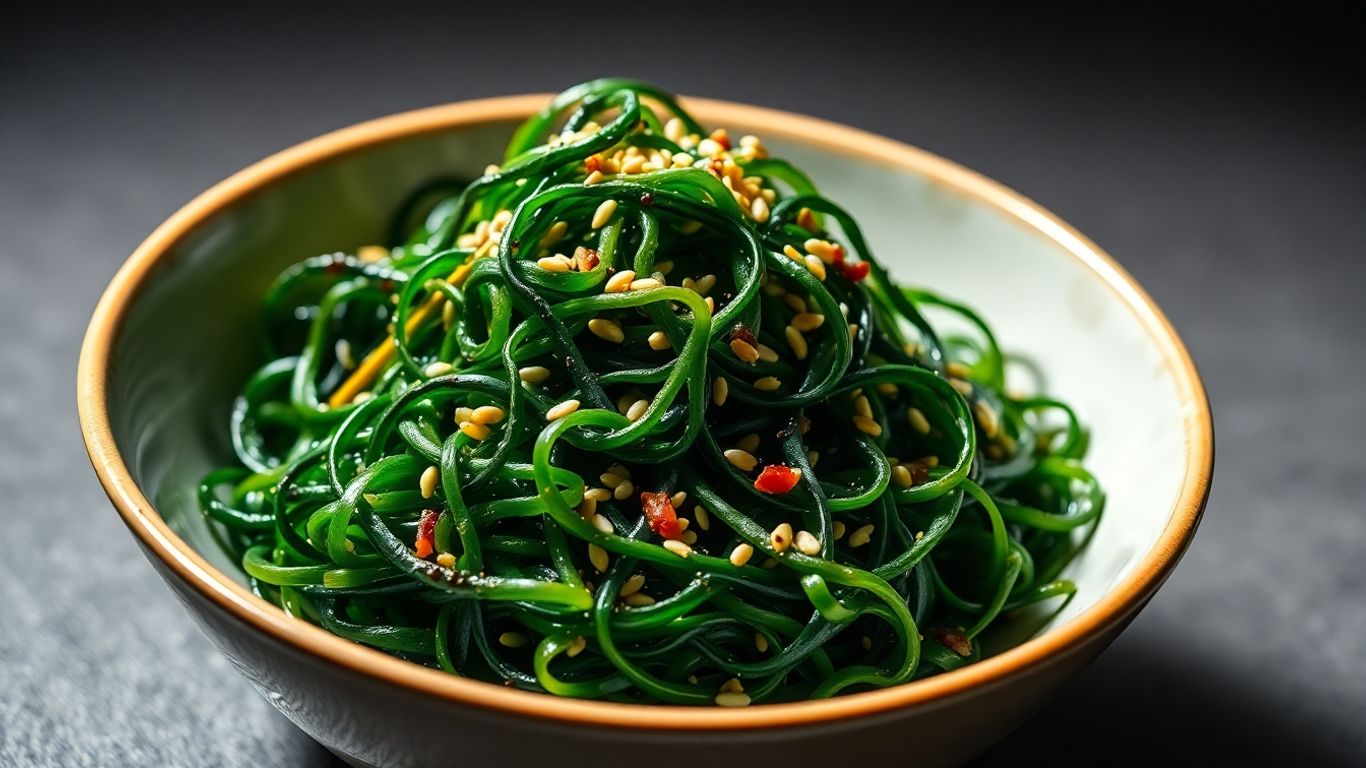
Wakame is fantastic, but there’s a whole ocean of possibilities when it comes to seaweed salads. Don’t feel limited to just one type of oceanic green! Mixing different seaweeds can really change up the texture and flavor profile of your salad, making it way more interesting.
Beyond Wakame: Other Seaweed Types
While wakame is the star of many restaurant salads, it’s not the only player. You can find blends of dried edible seaweeds that include things like konbu, agar, and various types of tsunamota. Each brings something a little different to the bowl. Konbu, for instance, is thicker and can become quite tender when simmered, but when sliced thinly, it adds a unique chewiness to a salad. Agar, often used as a thickener, can also add a jelly-like texture if incorporated properly.
Incorporating Agar-Agar for Texture
Speaking of agar, it’s worth mentioning how you can use it to play with textures. If you’re looking for something beyond the usual soft, slippery seaweed, agar can be a fun addition. You can prepare it separately and then dice it into small cubes to mix into your salad. It has a very mild flavor, so it won’t compete with the other ingredients, but it will give you little bursts of a different mouthfeel. It’s a subtle way to add complexity.
Creative Ingredient Pairings
Think outside the usual cucumber and sesame seed box. You can really get creative here. For a spicy kick, try adding chili oil, sriracha, or even a dollop of gochujang to your dressing. If you’re feeling adventurous, consider a watermelon radish and wakame salad for a peppery crunch and vibrant color. The acidity of citrus fruits can balance the briny seaweed, and earthy mushrooms can complement sweet onions. Don’t be afraid to experiment with unusual ingredient combinations; you might discover your new favorite flavor profile. For seafood lovers, prioritizing freshness is key when exploring new recipes, looking for clear eyes, shiny skin, and a clean ocean smell. Explore unique recipes to showcase the bounty of fresh catches.
Here’s a quick look at some common additions:
- Cucumber: Adds a refreshing crunch and hydration. Salting it first helps remove excess water and improves its texture.
- Scallions/Green Onions: Provide a fresh, sharp onion flavor that cuts through the richness.
- Toasted Sesame Seeds: Offer a nutty taste and a pleasant poppy texture.
- Chili Paste/Oil: For those who like a bit of heat.
The beauty of seaweed salad is its adaptability. It’s a forgiving base that welcomes a wide range of flavors and textures, allowing you to tailor it to your personal preferences or whatever you have on hand. It’s a great way to use up odds and ends from your fridge, too.
Serving and Storing Your Creation
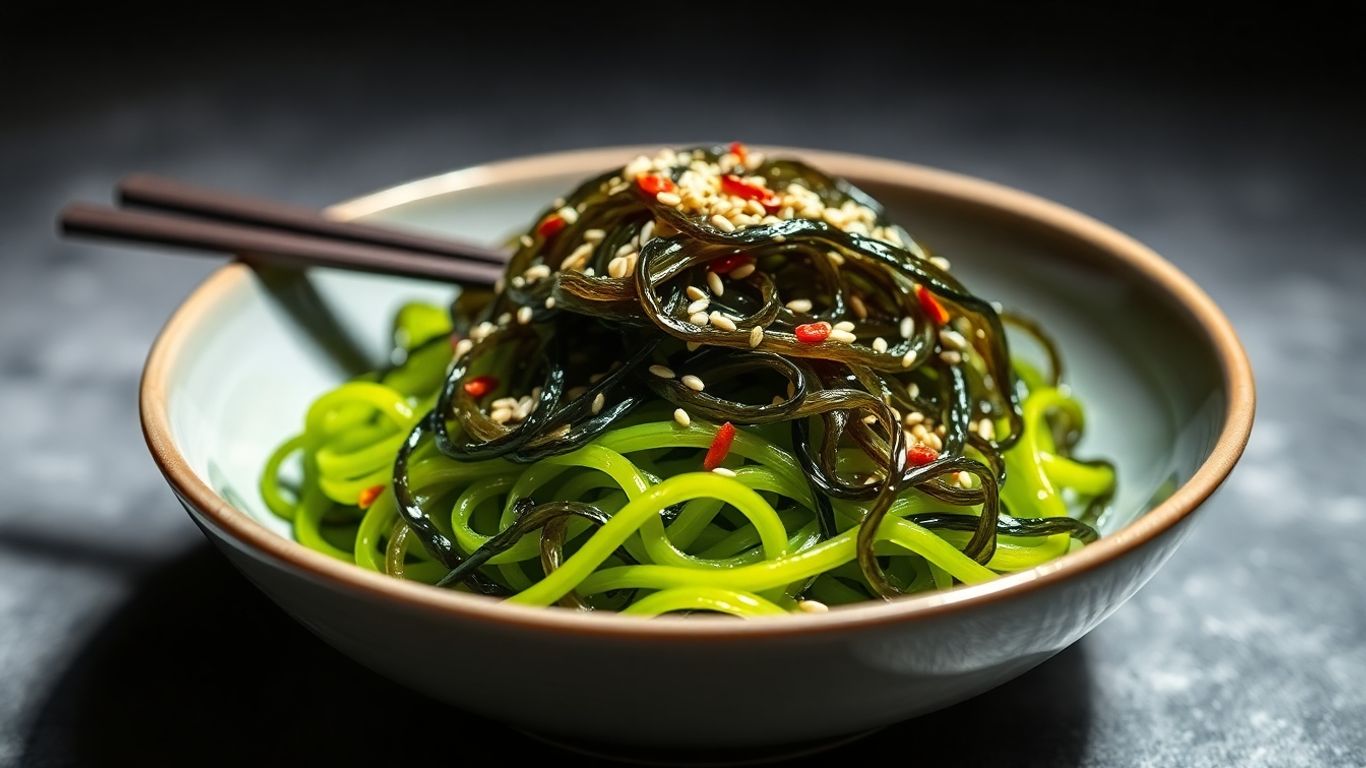
So you’ve gone and made a fantastic wakame seaweed salad that tastes just like the stuff you get at your favorite sushi spot. Awesome! Now, how do you serve it up and keep it fresh?
Pairing with Sushi and Soups
This salad is a natural fit for sushi, of course. It’s a great palate cleanser between pieces of nigiri or rolls. But don’t stop there! It’s also surprisingly good alongside a steaming bowl of miso soup or even a light ramen. Think of it as a refreshing side dish that adds a nice bit of texture and flavor to your meal. It works well with grilled fish or chicken too, giving a lighter counterpoint to richer main courses.
Make-Ahead Meal Prep
One of the best things about this seaweed salad is that it’s perfect for making ahead. In fact, it often tastes even better after the flavors have had a chance to meld for a few hours or overnight in the fridge. This makes it a lifesaver for busy weeknights or when you’re entertaining. Just whip up a batch, store it in an airtight container, and you’ve got a delicious side ready to go.

Proper Refrigeration
Keeping your seaweed salad fresh is pretty straightforward. Always store it in an airtight container in the refrigerator. This helps prevent it from drying out and keeps it from picking up any unwanted odors from other foods. Generally, it will stay good for about 3 to 4 days. After that, the texture might start to get a little mushy, and the flavors won’t be as bright. So, try to enjoy it within that window for the best experience.
When storing, make sure the seaweed is well-coated with the dressing. This helps keep it from drying out and maintains its pleasant, slightly chewy texture. If it looks a bit dry when you take it out, you can always stir in a tiny bit more dressing before serving.
Enjoy Your Restaurant-Quality Seaweed Salad!
So there you have it! Making that delicious, tangy seaweed salad at home is totally doable, and honestly, pretty quick. You don’t need fancy ingredients or a culinary degree to get that amazing restaurant taste. It’s perfect for sushi night, a light lunch, or just a healthy side dish. Give it a try, and impress yourself (and maybe your friends) with how easy it is to whip up this flavorful favorite. You might find yourself making it way more often than you thought you would!
Frequently Asked Questions
Where can I buy dried wakame seaweed for making salad?
You can usually find dried wakame seaweed at Asian markets. If that’s not an option, check specialty grocery stores or online retailers like Amazon. It’s often sold in bags specifically for making salads.
How do I prepare dried wakame seaweed?
To get it ready for salad, you’ll need to rehydrate the dried wakame. Just put it in a bowl of water for about 10 to 15 minutes until it becomes soft and flexible. After soaking, make sure to squeeze out as much water as possible.
What makes seaweed salad taste like it does from a restaurant?
Restaurant-style seaweed salad gets its signature taste from a dressing that’s usually a mix of savory and tangy flavors. Key ingredients often include soy sauce, rice vinegar, sesame oil, and a touch of sweetness. Ginger and sometimes a little spice from chili flakes also add to that classic flavor.
Can I add other ingredients to my seaweed salad?
Absolutely! While wakame is the star, many recipes include thinly sliced cucumber for a fresh crunch. Toasted sesame seeds are also a popular addition for extra flavor and texture. Some people even add other types of seaweed for more variety.
Is seaweed salad healthy?
Yes, seaweed salad is considered very healthy! Wakame is packed with good stuff like vitamins, minerals (especially iodine, which is great for your thyroid), and fiber. It’s also naturally low in calories and carbs, making it a great choice for healthy eating.
How long can I store leftover seaweed salad?
You can keep leftover seaweed salad in the refrigerator for up to 3 to 4 days. Make sure it’s stored in an airtight container to keep it fresh.