
Key Takeaways
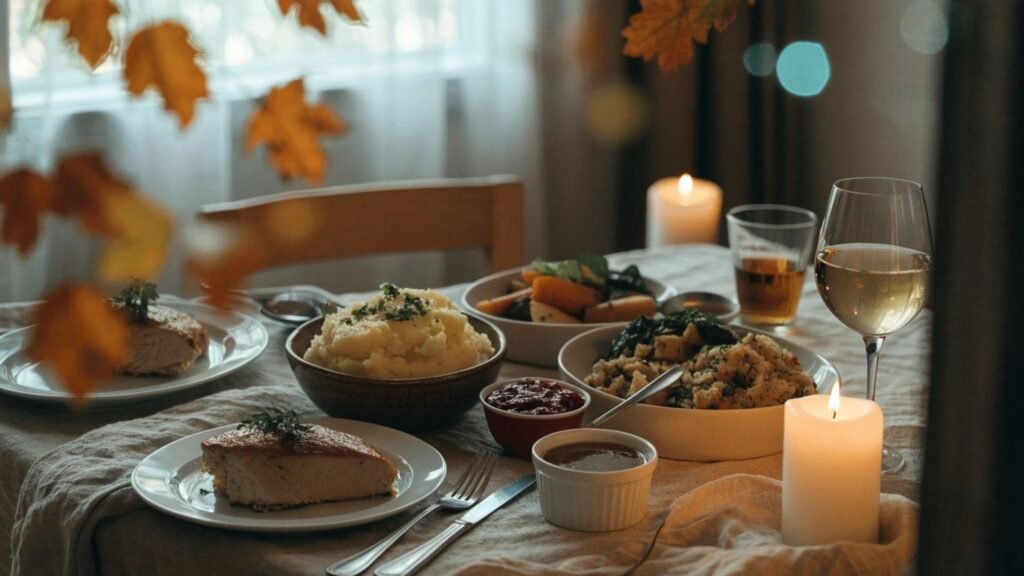
A Thanksgiving meal for two can feel generous without turning into a week of leftovers. Choose the dishes you love, scale thoughtfully, and let a little planning make the cooking feel easy.
- Pick one centerpiece and a few sides you genuinely enjoy.
- Scale recipes with care, especially when changing baking-pan sizes.
- Reuse ingredients such as herbs, citrus, and cranberries across dishes.
- Prepare sauces and casseroles ahead, then stagger oven use.
- Refrigerate leftovers promptly and plan a simple meal for the next day.
Plan a balanced Thanksgiving menu for two
A smaller holiday table leaves room to focus on the flavors you look forward to most. Rather than shrinking every dish on a traditional menu, choose a handful that work well together and suit your appetite. A small-batch Thanksgiving menu can offer inspiration for familiar favorites without requiring a full-size feast. Think about the cooking space and time you have, too; a relaxed meal is easier to enjoy when the plan fits the kitchen.
Choose one main dish and a few favorite sides
Start with a centerpiece, then choose two or three sides that bring different textures and flavors to the plate. For example, pair roast turkey with something crisp and green, a comforting starch, and one dish with a sweet or tart note. This gives dinner a festive feel without asking you to juggle a dozen recipes. If stuffing is the dish you wait for all year, make room for it and keep the rest simple.
Scale recipes without losing flavor or texture
Halving a recipe is a useful starting point, but it does not always mean halving every cooking detail. A shallower dish may brown faster, and a smaller quantity can cook in less time, so check for doneness early. Use this quick guide to decide what needs extra attention when adapting a familiar recipe.
| Recipe element | What to adjust | What to watch |
|---|---|---|
| Baking dish | Use a smaller dish with similar depth | Edges may brown sooner |
| Seasoning | Begin with less than half, then taste | Salt and spices can vary in intensity |
| Cooking time | Start checking earlier than the original recipe suggests | Look for the recipe’s visual or temperature cues |
| Liquid | Reduce it in proportion, then adjust as needed | A small batch can dry out or become soupy |

The table is a guide, not a formula: the shape of the pan and the ingredients matter. Keep the original recipe’s doneness cues close, and make small adjustments rather than trying to correct the whole dish at once.
Use overlapping ingredients to simplify shopping
A short shopping list is easier to manage when ingredients serve more than one purpose. Fresh herbs can season poultry and brighten potatoes; a lemon can add lift to vegetables as well as gravy. Cranberries can appear as a sauce and then add a tart accent to a leftover sandwich. A little overlap keeps the menu connected, while still allowing each dish to taste like itself.
Decide what to make ahead and what to cook on the day
The best make-ahead plan takes pressure off the final hour without leaving every dish to be reheated. Choose tasks that hold well, and keep anything that tastes best freshly cooked for Thanksgiving Day. A simple sequence can help you see where the work falls:
- The day before, chop vegetables and measure dry ingredients.
- Prepare cranberry sauce or gravy base, then refrigerate it.
- Assemble a casserole or stuffing, following its recipe for storage and baking.
- On the day, roast the main dish and finish quick-cooking sides near serving time.
With those jobs assigned, the cooking day becomes a series of manageable steps rather than one long scramble. Leave a little room in the schedule for warming dishes and setting the table.
Pick the right main dish
The centerpiece sets the scale and rhythm of dinner, so choose one that matches both your appetite and your available oven time. Turkey is classic, but a small cut can be just as celebratory as a whole bird. You might prefer a quick-cooking tenderloin, individual hens, or a vegetarian dish with the same sense of occasion. Let the centerpiece guide the sides and sauces that follow.
Roast a small turkey breast for a classic centerpiece
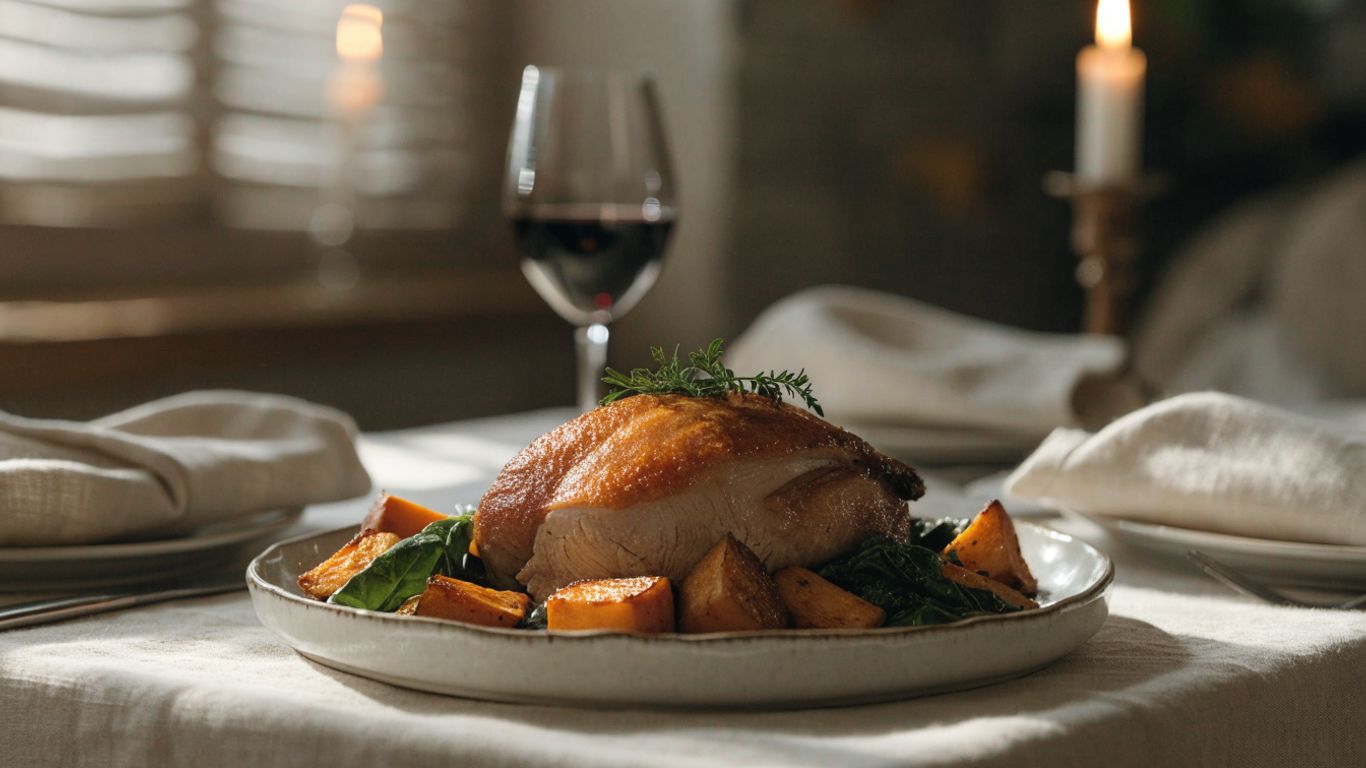
A small bone-in or boneless turkey breast brings the familiar roast-turkey aroma to the table without requiring a whole bird. Season it simply with salt, pepper, butter or oil, and herbs, then follow a recipe suited to its cut and weight. A smaller roast still benefits from resting before slicing, which helps keep the meat moist. If you want a few servings for sandwiches the next day, choose a size that leaves a modest amount extra.
Make turkey tenderloin when you want a faster option
Turkey tenderloin is a lean, compact cut that can be a good fit when you want a shorter roast and less carving. Because it is relatively small, it can dry out if cooked too long, so begin checking it early and use a thermometer rather than relying on color alone. A quick herb rub or a short marinade adds flavor without creating much extra work. Slice it across the grain and serve with gravy or a bright cranberry relish.
Try Cornish hens for an individual-portion presentation
Cornish hens make the meal feel special through their petite, individual presentation. They can be seasoned much like a larger roast bird, with herbs, citrus, or garlic tucked alongside for fragrance. Check the package and a reliable recipe for cooking guidance, since size affects timing. Their smaller scale can also make it easier to portion dinner neatly, though the sides still need room in the oven.
Choose a vegetarian main that feels festive
A vegetarian centerpiece can be every bit as celebratory as roast poultry. Consider a small savory tart, a stuffed squash, or a baked dish built around mushrooms, lentils, or grains. Choose a recipe with enough richness and substance to anchor the plate, then add a crisp vegetable or tangy sauce for contrast. The aim is not to imitate turkey, but to give the meal a satisfying focal point.
Make flavorful sides in smaller portions
Sides are where a small Thanksgiving menu can show its personality, but they are also where portions tend to multiply. Choose a mix of soft, crisp, savory, and bright elements, then make each in a quantity you will realistically eat. Small baking dishes and a sheet pan can help keep cooking manageable. A few carefully chosen sides often feel more abundant than a crowded table of dishes competing for attention.
Bake a small batch of stuffing or dressing
Stuffing or dressing can be scaled down, though bread texture and moisture deserve attention. Use stale or lightly toasted bread so it can absorb the broth without collapsing, and add liquid gradually until the mixture is moist but not soggy. Celery, onion, herbs, and a little butter provide familiar flavor in a compact batch. Bake it in a small dish and check the center for doneness before serving.
Roast seasonal vegetables on one sheet pan
Roasting vegetables on one pan is an easy way to add color and caramelized edges without filling the sink with cookware. Cut vegetables into pieces of similar size so they finish at roughly the same time, and leave enough space for hot air to circulate. Toss with oil, salt, and pepper, then add sturdy herbs before roasting or delicate ones afterward. One pan of carrots, Brussels sprouts, or squash can bring a fresh counterpoint to richer dishes.
Prepare creamy mashed potatoes without leftovers
For two, a modest amount of potatoes can still make a generous side. Cut them into even pieces so they cook consistently, drain them well, and mash while warm with butter and milk or cream added a little at a time. Keep the texture slightly looser than you want at the table, since the potatoes firm as they sit. Chives or black pepper are easy finishing touches that do not require a separate recipe.
Cook a half-size casserole in a smaller baking dish
Casseroles are comforting, but a full-size recipe can overwhelm a small menu. Scale the ingredients and choose a smaller dish with a similar depth, then start checking earlier because the thinner or smaller batch may heat through faster. For recipes that rely on a crisp topping, add it at the point the instructions recommend so it does not soften while waiting. A compact casserole can offer the cozy appeal of a classic side with a more sensible yield.
Add a simple sauce and a few finishing touches
A sauce can tie the plate together, and a small amount is often all two people need. Gravy, cranberry sauce, herbs, citrus, and toasted nuts bring different kinds of richness or brightness, so choose additions that suit the main dish rather than adding every garnish at once. Set the sauces out in small bowls, where guests can take what they like. These final touches should make the meal feel complete, not create another round of complicated cooking.
Make a small batch of turkey gravy
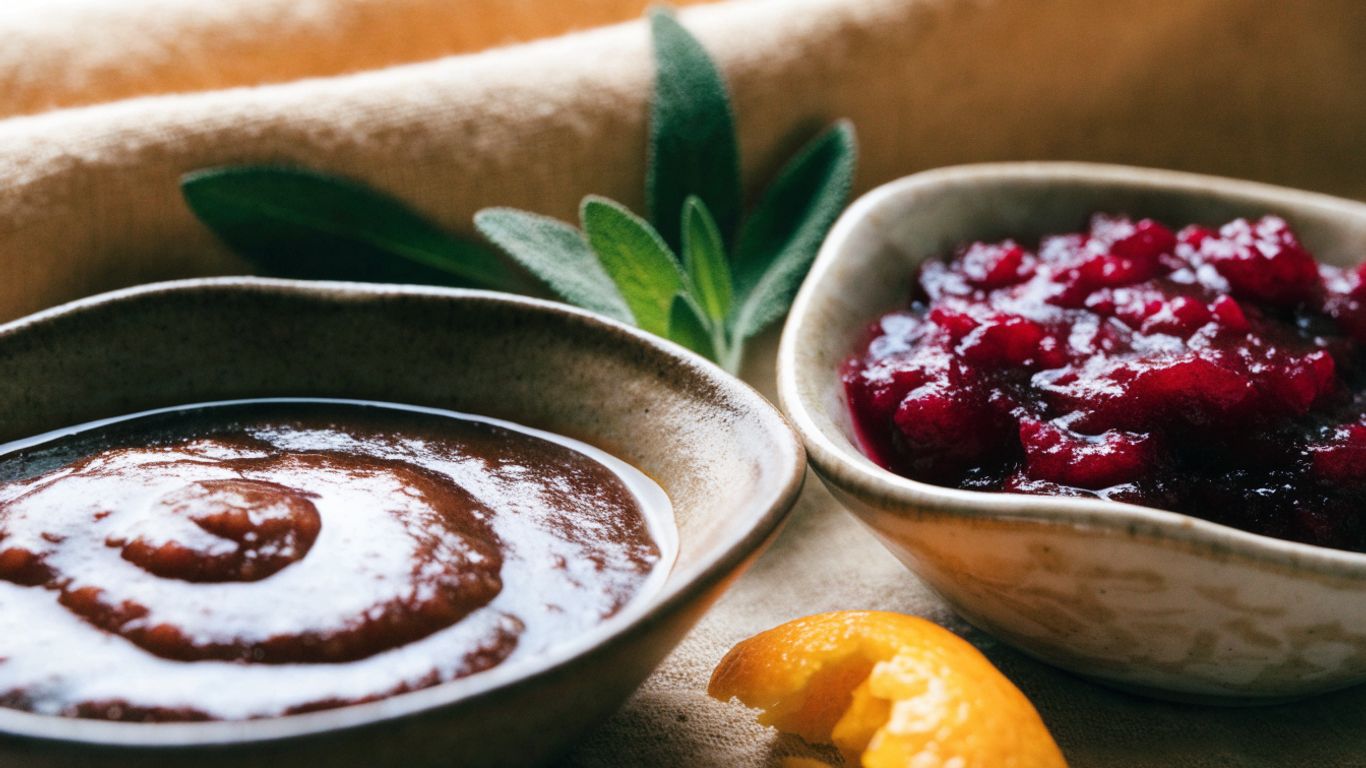
If you roast turkey, use the pan drippings as the flavorful base for a modest batch of gravy. Whisk flour or another recipe-approved thickener with fat, then gradually add stock and drippings while stirring to prevent lumps. Taste before adding salt, since the drippings and stock may already be seasoned. If your main dish does not produce drippings, warm stock with herbs and thicken it using a recipe suited to the amount you need.
Choose cranberry sauce that suits your menu
Cranberry sauce brings tartness that cuts through rich sides, and a small saucepan batch is easy to tailor. Simmer cranberries with a little water and sweetener until they burst and the mixture thickens, then adjust the balance to taste. Orange zest or a splash of citrus juice adds fragrance, while a smoother, more lightly sweet version can suit a savory vegetarian main. Cool it before serving so the flavors settle and the texture thickens.
Add fresh herbs, citrus, or toasted nuts for extra flavor
A few finishing touches can make familiar food feel newly prepared. Scatter chopped parsley or sage over the platter, add a curl of citrus zest to vegetables, or sprinkle toasted nuts over a salad or casserole. Toast nuts in a dry pan over gentle heat and keep them moving; they can darken quickly. Add delicate herbs and crunchy garnishes just before serving so their color and texture remain lively.
Match sauces and garnishes to your main dish
Think of sauces and garnishes as a way to balance the centerpiece. Turkey welcomes savory gravy and tart cranberry, while a rich squash or mushroom dish may benefit from lemon, herbs, or a lightly dressed green side. Keep the flavors distinct enough that each dish still has its own character. A small number of well-matched accents will do more than a crowded collection of toppings.
Coordinate oven time and make-ahead steps
With two people at the table, there is no need for every dish to come out at once, but it helps to know what needs the oven and when. Write down the main dish’s expected cooking window, then fit casseroles and vegetables around it. Some tasks can happen on the stovetop or be finished while the roast rests. A clear sequence lets you spend less time moving pans and more time enjoying the meal.
Check cooking times for smaller cuts of meat
A smaller cut often cooks faster than a whole turkey, but weight alone does not determine the timing. Shape, starting temperature, oven accuracy, and whether the meat has a bone all matter. Use the recipe as a planning estimate and begin checking earlier than its stated finish time. Keep side dishes flexible enough to wait briefly if the roast needs a little longer.
Prepare sauces and casseroles the day before
Sauces and some casseroles can be prepared ahead, making Thanksgiving Day feel calmer. Cool cooked foods promptly and refrigerate them in covered containers; assemble dishes according to their recipes, especially when ingredients may soften overnight. Before baking, account for the fact that a chilled dish may need additional oven time. A note on the container with its temperature and planned finish time can save a bit of guesswork.
Stagger dishes when oven space is limited
When the oven is occupied by the main dish, use the time to finish stovetop sides, set the table, or warm a sauce. Once the roast is done, let it rest while casseroles and vegetables take their turn in the oven. Keep hot dishes covered where appropriate, but avoid sealing crisp toppings under a lid. This staggered approach makes a small kitchen feel less crowded and gives each dish its moment.
Use a thermometer to check the main dish for doneness
A food thermometer is more reliable than judging poultry by appearance. Insert it into the thickest part of the meat without touching bone, and follow safe-temperature guidance for the specific cut; poultry should reach 165°F. Check in more than one spot for an unevenly shaped roast, then let the meat rest as directed by the recipe. Accurate checking helps prevent both undercooking and the dryness that can come from leaving a small cut in the oven too long.
Scale the recipes and handle leftovers
A no-waste feast does not have to mean a strict no-leftovers rule. A little extra turkey or stuffing can make tomorrow’s lunch feel like a treat, while oversized batches of every side can become tiresome. Decide which leftovers you would genuinely enjoy before shopping, and scale the rest to match the meal. For more ideas on a downsized holiday meal, think in terms of a few favorite dishes rather than a miniature version of a large gathering.
Convert full-size recipes into servings for two
Start by checking the recipe’s stated yield, then divide ingredients proportionally to reach the amount you want. For awkward measurements, use a kitchen scale or a measuring spoon rather than guessing, and take extra care with ingredients such as eggs or leaveners that can affect texture. Smaller batches may cook faster, so rely on visual cues and temperature checks as well as the clock. The goal is a sensible portion, not mathematical perfection at the expense of a good result.
Store extra ingredients safely for future meals
Unused ingredients are easier to save when they are handled promptly and stored in a way that makes them easy to identify later. Refrigerate perishable items, keep raw poultry separate from ready-to-eat foods, and follow the storage directions on packaged ingredients. Freeze suitable extras in small, labeled portions if you will not use them soon. A quick inventory after the meal can prevent duplicate purchases the next time you cook.
Turn any leftovers into a simple next-day lunch
Leftovers can become a satisfying lunch without repeating the full dinner plate. Slice turkey into a sandwich with cranberry sauce, add vegetables to a grain bowl, or warm stuffing alongside an egg if that suits your appetite. Refrigerate cooked food within two hours, use refrigerated leftovers within three to four days, or freeze them for longer storage. Reheat leftovers until steaming hot, and discard anything that was left out too long.
Adapt the menu for dietary needs without doubling the work
A dietary adjustment does not require a second complete menu. Choose dishes that can be made naturally suitable for both diners, or keep one sauce or topping separate so each plate can be finished individually. Check labels on broth, bread, and packaged ingredients when allergies or sensitivities are involved. A few thoughtful substitutions are easier to manage than duplicating every dish.
Conclusion
A cozy Thanksgiving dinner for two comes down to choosing what matters to you, cooking a few dishes with care, and leaving space for the meal to unfold at an easy pace. Scale thoughtfully, use the oven with a loose plan, and save only the leftovers you are glad to see tomorrow. That is plenty of celebration for one small table.
Frequently Asked Questions
What should I serve for Thanksgiving dinner for two?
Choose one main dish and two or three sides with different textures and flavors. A small turkey breast, a vegetable centerpiece, or another favorite can make a satisfying meal when paired with a starch, a vegetable, and a sauce.
How much turkey do I need for two people?
The amount depends on whether you want leftovers and whether the cut includes bone. Check the package’s serving guidance, then choose a modest extra amount if you hope to make sandwiches the next day.
Can I halve a Thanksgiving recipe?
Many recipes can be reduced proportionally, but pan size and cooking time may need adjustment. Begin checking early, and use the recipe’s doneness cues rather than assuming the time will halve too.
What Thanksgiving dishes can I make ahead?
Cranberry sauce, some gravy components, chopped vegetables, and many casseroles can be prepared ahead. Follow each recipe’s storage and reheating directions, and keep crisp toppings separate until baking when appropriate.
How do I keep a small turkey breast from drying out?
Use a thermometer, begin checking before the recipe’s estimated finish time, and avoid cooking beyond the safe temperature. Rest the meat as directed before slicing so it stays tender.
How long can Thanksgiving leftovers stay in the refrigerator?
Refrigerate perishable leftovers within two hours and use them within three to four days. Freeze portions you will not eat in that time, and reheat leftovers until steaming hot.
What sides work well with a vegetarian Thanksgiving main?
Roasted seasonal vegetables, mashed potatoes, a small stuffing or dressing, and cranberry sauce can all work well. Choose sides that complement the main dish without repeating the same rich or soft texture throughout the plate.